- B.Tech
- MBA
- M.Tech
- MBBS
- B.Com
- B.Sc
- B.Sc (Nursing)
- BA
- BBA
- BCA
Blog Details
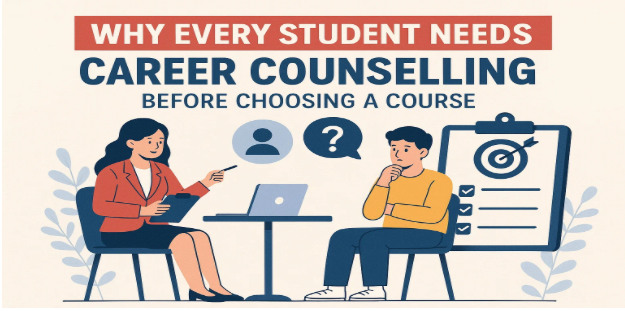
Why Every Student Needs Career Counselling Before Choosing a Course
Technical skills can land you a job, but soft skills will take you further. This blog uncovers how communication, leadership, and adaptability are key to career advancement.
After finishing school, students face many options for their future studies and careers. It can be hard to know which path will fit their interests, skills, and dreams. Often, students feel confused or unsure because there is so much information to consider. Without clear guidance, it becomes easy to pick a course that may not match their strengths or goals, which can cause problems later.
Career counselling helps students by giving them the support they need to understand themselves better and explore different courses and careers. Trained counsellors explain options in simple ways and help students find the best fit for their talents and interests. This blog explains why career counselling is important before making any decisions about courses and how it can help students find a path that leads to success and happiness.
What is Career Counselling?
Career counselling is a process that helps individuals understand themselves, the world of work, and make informed decisions about their career path. It involves a professional providing guidance, using assessments, and offering support to help people start, change, or advance their careers. This process helps individuals manage career changes, set goals, and overcome obstacles to achieve job satisfaction and professional growth.
Here are some points we mentioned below
- Guidance to Find Your Fit
Career counselling is help from experts to understand what you like and what you can do well. They talk to you about your hobbies, school subjects you enjoy, and things you are good at. This helps match you with courses that feel right.
- Support for Smart Choices
Counsellors give clear advice on courses and jobs. They explain what each course involves and what kind of work it leads to. You get facts to make decisions without guesswork.
- Info on Options and Paths
They share details about different fields like engineering, arts, or medicine. You learn about skills needed, time to study, and job chances after finishing.
Why Students Struggle With Choosing the Right Course
Many students find it tough to pick the right course after school. There are so many choices, and they feel lost without clear help. Here are the main reasons why this happens.
Too Many Options to Choose From
There are dozens of courses available today - from traditional ones like science, commerce, and arts to new fields like computer coding, animation, hotel management, or even sports coaching. Each course promises different jobs and lifestyles, but students get overwhelmed trying to compare them all at once.
Pressure From Family and Friends
Parents usually want their children to pick "safe" courses that guarantee good jobs and a steady income, like engineering or medicine. Friends talk about trendy careers they see on social media, and this outside pressure makes students question their own interests and feel guilty if they want something different.
Lack of Clear Information About Courses
Most students only know course names but not what they actually study each day or what skills they build. For example, they might think "BBA" means easy business classes, but it involves math, projects, and presentations. Without real details about syllabus, exams, or job opportunities, they make guesses that turn out wrong.
Not Sure About Their Own Strengths
Many students have never thought deeply about what they enjoy doing or what comes naturally to them. Some love drawing but pick science because it's "better," while others are good at talking to people but choose silent lab work. This mismatch happens because they don't know themselves well enough yet.
Why Career Counselling is Important Before Choosing a Course
Career counselling is key to helping students see clearly before making choices. It provides the right information and guidance that students need to pick courses wisely. Without this help, they may guess or follow others, which can lead to problems later.
Helps Understand Yourself Better
Career counselling helps students discover their true interests, skills, and strengths. This self-understanding is important to finding courses that fit their unique talents and passions.
Provides Accurate Course Information
Counsellors explain what courses involve, including subjects studied, course duration, and difficulty level. They also share what kind of jobs each course can lead to, giving students a clear picture.
Reduces Confusion and Stress
With the right guidance, students can avoid feeling lost or forced to pick something because of pressure. Counselling gives them confidence and peace of mind in their decisions.
Saves Time and Effort
Choosing the right course from the start helps students avoid switching later or dropping out, saving time, money, and hard work.
Benefits of Career Counselling for Students
Career counselling brings many real advantages that help students succeed in studies and work. It turns confusion into clear plans and builds confidence for the future. Here are the main benefits every student can get.
Matches Courses to Your Strengths
Counsellors find courses that fit what you do best, like creative work if you love art or numbers if math comes easily. This makes studying enjoyable and leads to better marks.
Shows Real Job Opportunities
You learn exactly what jobs come after each course, including salary, work hours, and growth chances. No more guessing about future work.
Builds Confidence in Choices
After counselling, students feel sure about their decisions instead of being worried. They know why they picked a course and can explain it to parents, too.
Avoids Costly Mistakes
Right guidance stops you from joining the wrong courses that waste 1-2 years and money. You start on the correct path from day one.
Opens New Career Ideas
Counsellors share options you never thought of, like digital marketing or event planning, that match your skills better than popular choices.
How Career Counselling Works: Simple Steps
Career counselling is a step-by-step process designed to help students find the best course and career that matches their interests, skills, and future goals. It involves testing, conversations, and guidance from trained counsellors who support students in making thoughtful and confident decisions. Here is how the process usually works in simple steps.
Step 1: Taking Interest and Skills Tests
Students answer easy questions about what they enjoy doing, their favourite school subjects, hobbies, and things they do well. These tests help identify areas where the student has natural strength or passion, which is the first key to choosing a course that fits.
Step 2: One-on-One Discussion with a Counsellor
After the test, the counsellor talks with the student to better understand their results, listen to their hopes, fears, and family expectations. This conversation helps uncover what matters most to the student and clears any confusion.
Step 3: Exploring Suitable Course Options
Based on test results and the discussion, the counsellor introduces about three to five courses that best match the student’s profile. For each course, they explain what subjects are taught, how exams work, how long it takes to complete, and the skills gained.
Step 4: Understanding Career and Job Prospects
The counsellor gives detailed information on what kinds of jobs are available after each course. This includes possible salary ranges, types of workplaces, the work environment, and growth opportunities. This step helps students connect their studies to real future work.
Step 5: Making a Clear, Written Career Plan
Finally, the student and counsellor together decide on the most suitable course and create a plan. This plan includes the next steps, like how to apply to college, prepare for entrance exams, or improve skills, giving students clear guidance and confidence to move forward.
How Choosing the Wrong Course Can Affect Your Future
If you choose the wrong course, it can create many problems that affect your studies, career, and happiness. It may seem easy at first, but the effects can last for years. Understanding these risks shows why making the right choice matters.
Wasted Time and Money on Studies
When you pick a course that is not a good fit, you might struggle to understand the subjects or lose interest quickly. This can lead to poor grades, needing to repeat years, or even dropping out. The time spent and money paid for such courses become lost, which can be very frustrating.
Increased Stress and Unhappiness
If you are studying something you do not enjoy or that doesn’t match your skills often causes stress, anxiety, and loss of motivation. This can lower your energy, affect your mental and physical health, and make your everyday life harder. It may also affect relationships with family and friends if you feel overwhelmed.
Trouble Getting the Right Job Afterwards
The course you choose decides what kind of jobs you can apply for after finishing. If your course does not align with your strengths or interests, you might
find it difficult to get a satisfying or well-paying job. Sometimes, students have to switch careers later, which means more time and effort to start over.
Loss of Confidence and Self-Belief
Consistently struggling in a course that doesn’t suit you can hurt your confidence. You may begin to doubt your abilities and feel less sure about making decisions in the future, which can hold you back in both your studies and career.
How College Dakhla Helps Students with Course & Career Guidance
College Dakhla is a helpful platform for students who need support in choosing courses and careers. It offers free online career assessment tests that quickly show your interests and skills. Based on these results, you can connect with expert counsellors through personalized video calls who provide advice tailored to your goals. The platform also helps you find colleges that match your chosen course, giving important details like fees, location, and entrance exam requirements.
Apart from course and college guidance, College Dakhla assists students with scholarship information and the admission process. This makes applying easier and saves time. You can also read real stories from other students who succeeded with the platform’s help. Regular updates keep you informed about new courses and career paths, making it a reliable guide to planning your future.
FAQs
1. How long does a counselling session take?
A full session with test and discussion usually takes 45 minutes to 1 hour. You get all the answers in that time.
2. What if my parents want a different course?
Counsellors help you explain your test results and choices to parents. They show how your path can still lead to good jobs.
3. Is College Dakhla only for Indian students?
College Dakhla mainly helps Indian students with local colleges and courses, but international options are also available.
4. What happens if I change my mind later?
Counselling gives you a clear plan, but you can always talk to counsellors again if your interests change.
5. Do I need good marks for career counselling?
No, counselling works for all students. It finds courses that match your skills, not just your marks.
Conclusion
Every student faces tough choices about courses and careers after school. Without proper guidance, it is easy to pick the wrong path and face problems later. Career counselling gives clear direction, matches courses to your skills, and helps build a happy future.


![NEET Re-Exam Dates 2026 [Updated]](https://www.collegedakhla.com/uploads/blogs/NEET_Re-Exam_Dates_2026_Updated.png)

![B.Tech Fees in Private Colleges - [Updated List]](https://www.collegedakhla.com/uploads/blogs/B.Tech_Fees_in_Private_Colleges.png)

![Top 5 Universities in India - [Updated List 2026]](https://www.collegedakhla.com/uploads/blogs/Top_5_Universities_in_India.png)




































1.webp)