


Why Data Analytics Is Becoming a Smart Choice for Commerce Students in India!
March 09, 2026
New Delhi, Delhi | University | Estd 1994
(Reviews)

The Indian Institute of Technology Delhi (IIT Delhi) is a premier public research university and an Institution of National Importance established in 1961. Its core vision is to contribute to India and the world through excellence in scientific and technical education and research. The institute serves as a vital resource for industry and society, aiming to develop human potential to its fullest extent. By engaging in cutting-edge research and offering state-of-the-art undergraduate, postgraduate, and doctoral programs, IIT Delhi strives to remain a source of pride for all Indians while fostering intellectually capable and imaginatively gifted leaders.
The university is a major hub for innovation, with its alumni having launched over 800 startups. Its multidisciplinary approach integrates traditional engineering with emerging fields like Artificial Intelligence, Public Policy, and Design, ensuring students are equipped for modern global challenges.
Key Details:
Rankings (2025-2026): * QS World University Rankings 2026: Ranked #123 globally (highest ever) and #1 in India.
NIRF 2025: Ranked #2 in Engineering, #3 in Research, and #4 in the Overall and Management categories.
QS World Subject Rankings 2025: Ranked #26 globally in Engineering & Technology.
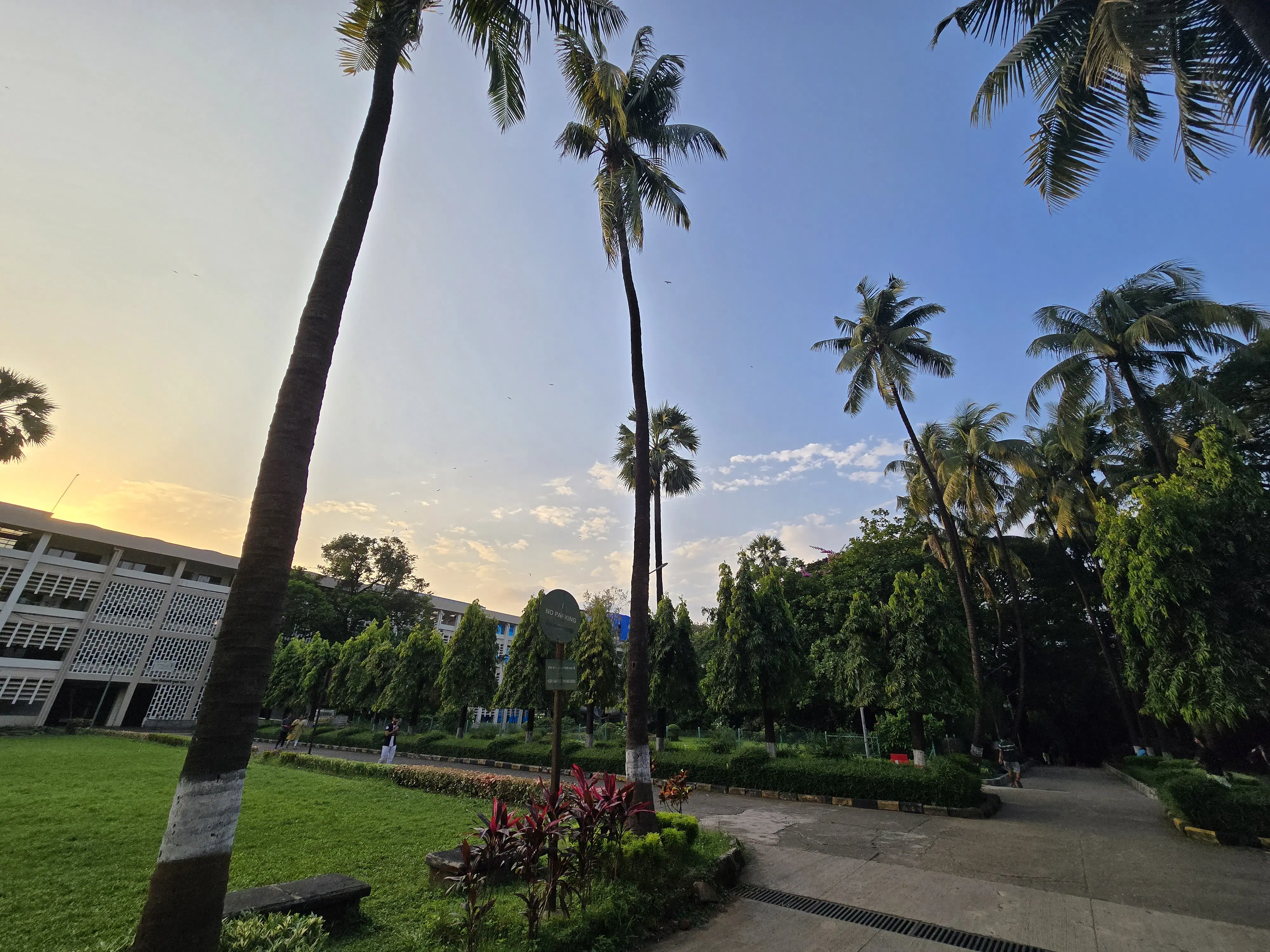
Campus: A picturesque 320-acre campus located in Hauz Khas, New Delhi, divided into academic, residential, and recreational zones.
Faculty: A strong team of over 680 faculty members, with a vast majority holding PhDs from top-tier global institutions.
Student Base: Home to over 8,500 students across 13 degrees and 132 diverse courses.
Establishment: 1961 (Declared an Institute of Eminence).
IIT Delhi offers a rigorous academic curriculum designed to foster technical excellence and innovation across various disciplines. The institute emphasizes a research-led teaching style, where students are encouraged to engage in cutting-edge projects and advanced laboratory work. This approach ensures that learners are not only consumers of knowledge but also contributors to scientific and technological advancements in a global context.
The university promotes a multidisciplinary learning approach through its wide array of departments, centers, and schools. Students have the flexibility to explore interdisciplinary programs, such as Energy Science, Public Policy, and Artificial Intelligence. By integrating traditional engineering disciplines with emerging fields like design and social sciences, IIT Delhi prepares its graduates to tackle complex, real-world challenges through a holistic and versatile educational framework.
| Course | Specializations | Eligibility |
| B.Tech | Computer Science, Electrical, Mechanical, Chemical, Civil, Engineering Physics, Production and Industrial, Textile Technology, Materials Engineering, Energy Science and Engineering, Mathematics and Computing, Biochemical Engineering and Biotechnology | 10+2 |
| MBA | Management, Executive MBA | Graduation |
| M.Tech | Cybersecurity, Electric Mobility, ML and Data Science, Biomolecular and Bioprocess Engineering, VLSI Design, Tool Engineering, Communications Engineering, Computer Science and Engineering | Graduation |
| M.Sc | Physics, Chemistry, Mathematics, Economics, Cognitive Science, Biological Sciences | Graduation |
| B.Des | Industrial Design | 10+2 |
| M.Des | Industrial Design | Graduation |
| PG Diploma | Naval Construction, Metro Rail Transport: Technology and Management | Graduation |
| Ph.D | Engineering, Science, Management, Humanities & Social Sciences, Public Policy | Post-Graduation |
Applied Mechanics: Provides science-based engineering education to produce quality engineer-scientists through teaching and research at all levels.
Biochemical Engineering and Biotechnology: Focuses on the life-long process of learning and exploring through integrated teaching and research activities.
Chemical Engineering: Aims to build a temper for learning while conducting academic and research activities across all educational levels.
Chemistry: Dedicated to providing broad-based knowledge and science-based education in the field of chemical sciences.
Civil Engineering: Conducts teaching and research to develop quality engineer-scientists with a focus on infrastructure and exploration.
Computer Science and Engineering: Focuses on engineering education and research to produce specialists in computing and information technology.
Design: Provides a curriculum that builds a temper for lifelong learning and exploring within the creative and technical design space.
Electrical Engineering: Engages in teaching and research to provide broad-based knowledge in electrical systems and engineering sciences.
Energy Science and Engineering: Offers science-based education aimed at producing quality scientists and engineers for the energy sector.
Humanities and Social Sciences: Provides broad-based knowledge in human behavior and social structures through integrated teaching and research.
Management Studies: Focuses on producing quality management professionals through a curriculum that encourages lifelong learning.
Materials Science and Engineering: Conducts research and teaching focused on the development and exploration of various materials.
Mathematics: Dedicated to mathematical education and research, building a foundation for scientific and engineering exploration.
Mechanical Engineering: Focuses on teaching and research to produce engineer-scientists skilled in mechanical systems and processes.
Physics: Provides a science-based curriculum to build a temper for lifelong learning in the fundamental laws of nature.
Textile and Fibre Engineering: Specializes in the teaching and research of textile materials and fibre science.
Biological Sciences: Operates as a school focused on advanced scientific exploration and education in the biological domain.
Information Technology: A specialized school dedicated to advanced learning and research in IT and computing systems.
Interdisciplinary Research: Focuses on research activities that cross traditional departmental boundaries to solve complex problems.
Public Policy: Provides science-based education and research aimed at addressing societal challenges through policy analysis.
Telecommunication Technology and Management: Concentrates on teaching and research in the communication sector and its management.
Artificial Intelligence: A specialized school dedicated to the lifelong process of learning and exploring emerging AI technologies.
IIT Delhi maintains a robust focus on professional growth through its Office of Career Services (OCS), formerly known as the Career Development Center (CDC). The office plays a pivotal role in bridging the gap between academia and industry by organizing training sessions, workshops, and placement drives. Its stellar reputation attracts top-tier global recruiters, ensuring that students are well-prepared to meet evolving industry demands and secure competitive roles in diverse sectors.
Key Details:
Placement Percentage: 84.94% (Overall 2023); 100% for MBA batches.
Average Package: INR 21.9 LPA (Overall 2023); INR 23.4 LPA (MBA 2024).
Highest Package: INR 2.4 Crore per annum (International); INR 1 Crore+ (Domestic).
IIT Delhi maintains a distinguished reputation as a global leader in technical education and research. As highlighted by its consistent top-tier performance in both national and international assessments, the institute is recognized for its rigorous academic standards and significant contributions to innovation. Its standing reflects a commitment to excellence that attracts premier faculty and high-caliber students, solidifying its position as a cornerstone of India's higher education system.
Key Details:
NIRF Ranking: Ranked #2 in the Engineering category and #3 in both the Overall and Research categories for 2024.
Institution Status: Recognized as an 'Institute of Eminence' (IoE) by the Government of India.
Global Rankings: Ranked #150 in the QS World University Rankings 2025 and #197 in the Times Higher Education (THE) World University Rankings 2024.
Other Recognitions: The institute is ranked #1 in India for Graduate Employability according to global rankings, highlighting its strong industry connection and student success.
Academic: 3/5
Faculty: 3/5
Infrastructure: 3/5
Accommodation: 3/5
Social Life: 3/5
Placement: 3/5
IIT Delhi is committed to ensuring that financial constraints do not hinder academic excellence. The university's philosophy focuses on providing equal opportunities through a robust framework of merit-based and need-based awards. By leveraging institutional funds and alumni contributions, the institute aims to support deserving students and foster a diverse, competitive academic environment.
Named Scholarship Programs:
Institute Merit-cum-Means Scholarships: These are open to 25% of undergraduate students in Engineering & Technology whose parental income does not exceed Rs 4.5 lakh. The award includes a tuition fee exemption and a monthly stipend of Rs 1,000.
Institute Merit Prizes and Certificates: This award is presented to the top 7% of students in each four-year BTech and five-year dual degree program. Recipients receive a one-time financial prize of Rs 2,500 along with a certificate of merit.
Institute Free Studentship (UG): This scholarship is awarded based solely on the financial means of the students and is available to 10% of the admitted undergraduate population.
Scholarship for SC/ST/PwD Students: All students under these categories are eligible for a full tuition fee exemption regardless of their family income. Additional benefits may be provided to support their academic journey.
Endowment Merit Scholars Programme: This prestigious program provides 120 merit scholarships annually to batches of 15 women and 15 men in BTech or dual degree programs.
Amit & Deepali Sinha Foundation Scholarship: This full-ride scholarship is awarded to the top five undergraduate students based on JEE Advanced ranks. It covers all education-related expenses, including tuition and hostel charges, for the entire duration of the course.
IIT Delhi – Singhal Scholarship: This donor-based award is specifically for first-year female students with a family income below Rs 8 lakh. It provides Rs 25,000 per annum, provided the student maintains a CGPA of 7.5.
Donor Scholarships: These represent over 120 unique awards funded by alumni and organizations like the S.M. Shah Trust or the Batch of 1984. Eligibility and benefits vary, typically targeting specific departments, income brackets, or gender diversity.
The faculty at IIT Delhi comprises highly distinguished academicians and industry experts who represent the pinnacle of technical and management education in India. Nearly all members hold PhDs from prestigious global institutions, including Stanford, Oxford, and various top-tier IITs. These professionals maintain a rigorous dual commitment to pedagogical excellence and ground-breaking research, consistently bridging the gap between theoretical academia and practical industry application through high-impact studies and innovative teaching methods.
Key Details:
Faculty Strength: The institute maintains a robust academic unit with over 700 in-position faculty members, including Professors, Adjunct Faculty, and Honorary Professors.
Research Focus: Major research areas span across AI, Machine Learning, and Data Science in CSE; Power Systems and Smart Grids in Electrical Engineering; and Robotics and Advanced Manufacturing in Mechanical Engineering.
Global Background: Several faculty members have completed their doctoral studies and research fellowships at elite international universities such as Stanford University, University of Oxford, and University of Toronto.
Student-Faculty Ratio: While specific overall ratios are not detailed, departments like CSE and Mechanical Engineering maintain specialized mentor-mentee interaction structures to support intensive academic guidance.
Notable Faculty Examples:
Professor Naveen Garg - Computer Science & Engineering: Holds a PhD from IIT Delhi and specializes in Algorithms and Optimization; serves as the Head of the Department.
Professor Shankar Prakriya - Electrical Engineering: Completed his PhD at the University of Toronto and serves as the Head of Department with a focus on communication systems.
Professor Subbarao P M V - Mechanical Engineering: A PhD holder from IIT Kanpur and Head of Department specializing in Experimental Turbulence and Power Generation Systems.
Professor Kanika T. Bhal - Management Studies: Holds a PhD from IIT Kanpur and was a Visiting Fellow at the Sloan School of Management, MIT.
Professor Santosh Kapuria - Applied Mechanics: Serves as the Head of Department and is a highly qualified professional in the field of mechanics and structural engineering.
Physical Amenities
Room Specifications: Single-seater rooms; Multiple-sharing rooms; Bed, desk, chair, and cupboard provided in each room.
Safety Features: 24/7 Security guards; CCTV surveillance; Caretakers.
Utility Services: Wi-Fi connectivity; Laundry services; Washing machines; Grocery store; Barber shop; ATM; Bank; Post office; Tailor shop.
Building Features: Common rooms; Power backup; Elevators; TV rooms; Reading rooms; Music rooms; Mess/Dining halls.
Visual Identification
Central Library
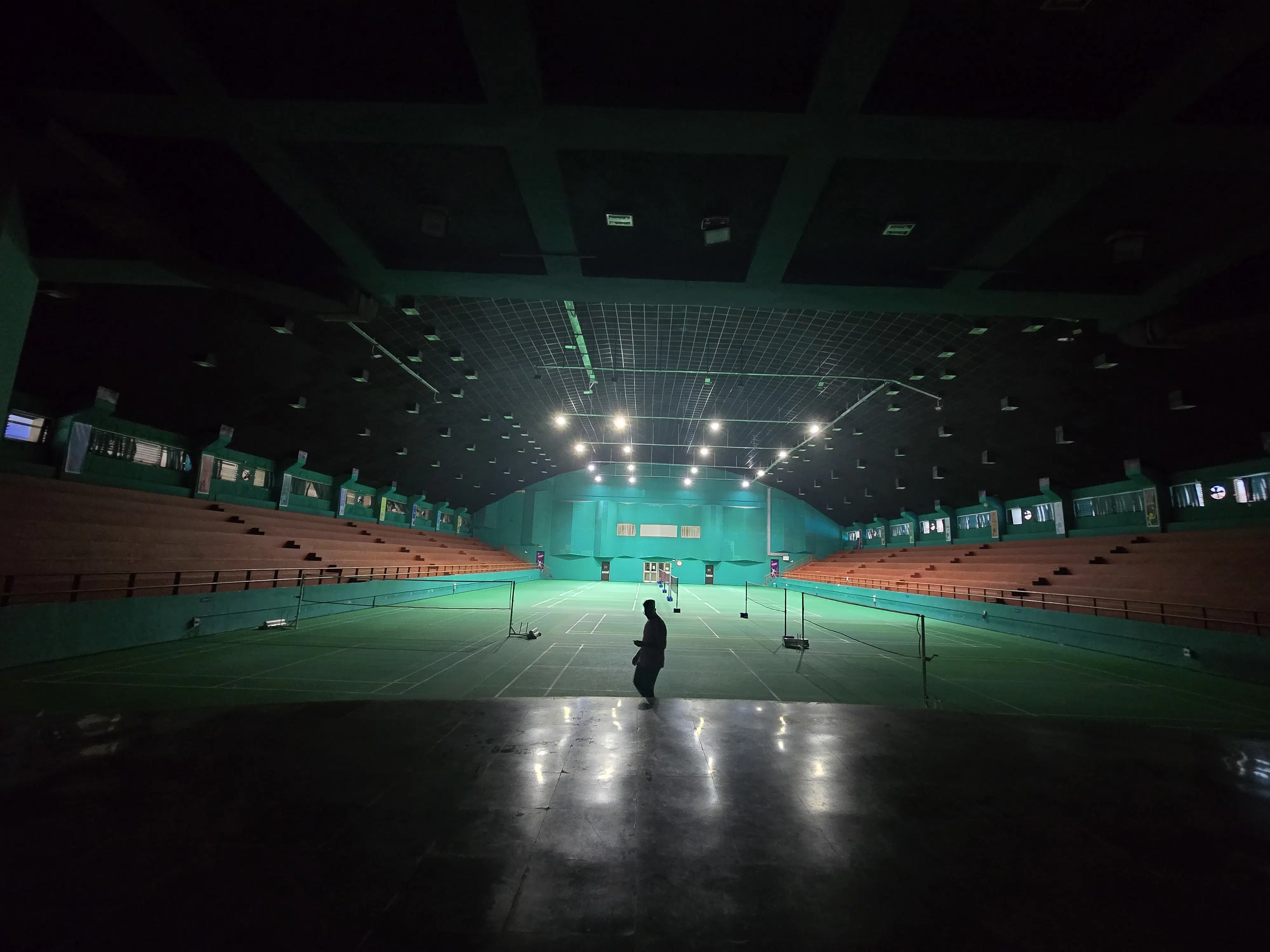
Indoor Sports Complex (Student Activity Centre)
Main Building (Academic Area)
Hostels (Kumaon, Nilgiri, Aravali, Karakkoram, Nilgiri, Zanskar, Jwalamukhi, Shivalik, Vindhyachal, Himadri, Kailash)
Hospital (Medical Centre)
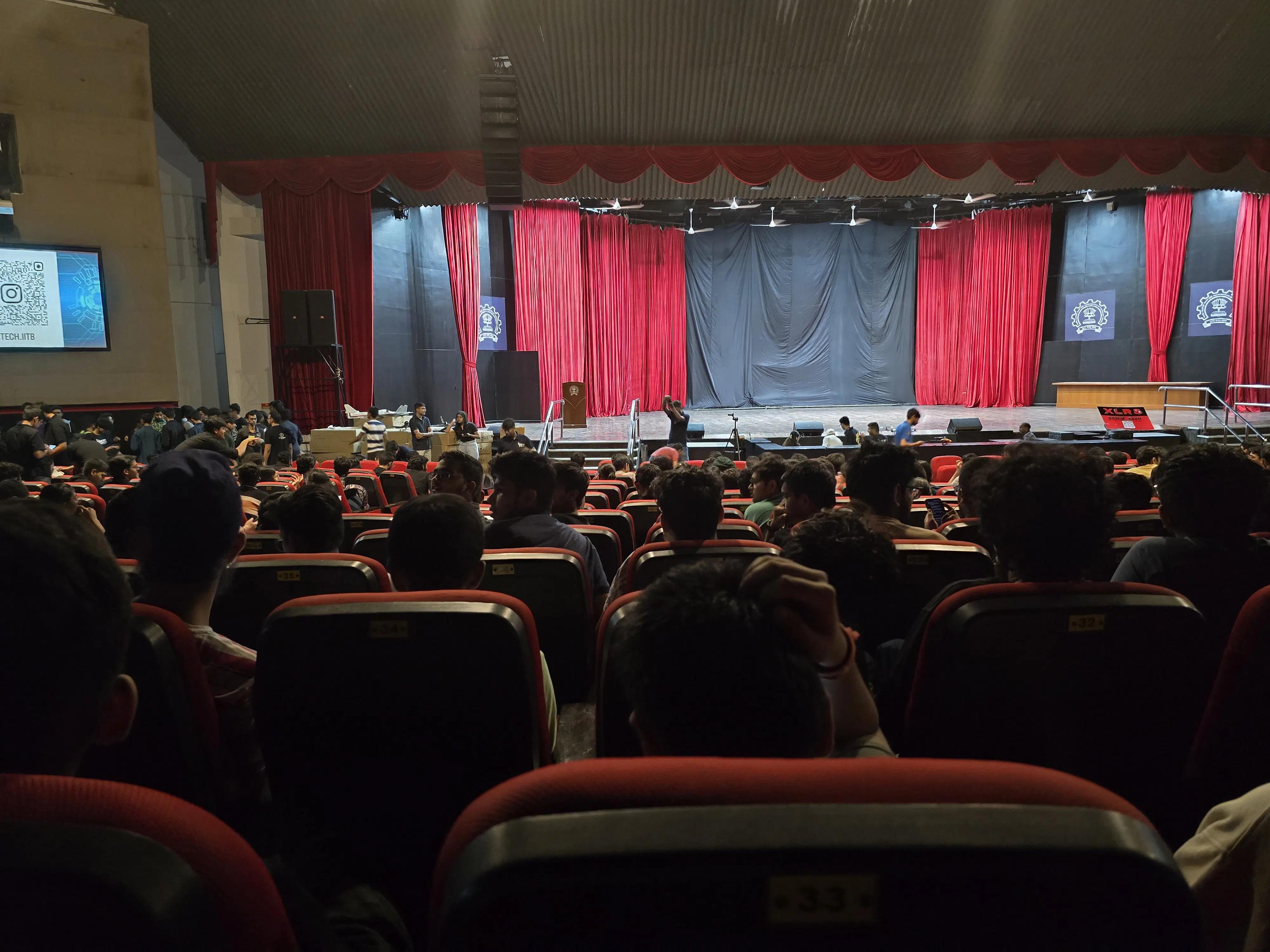
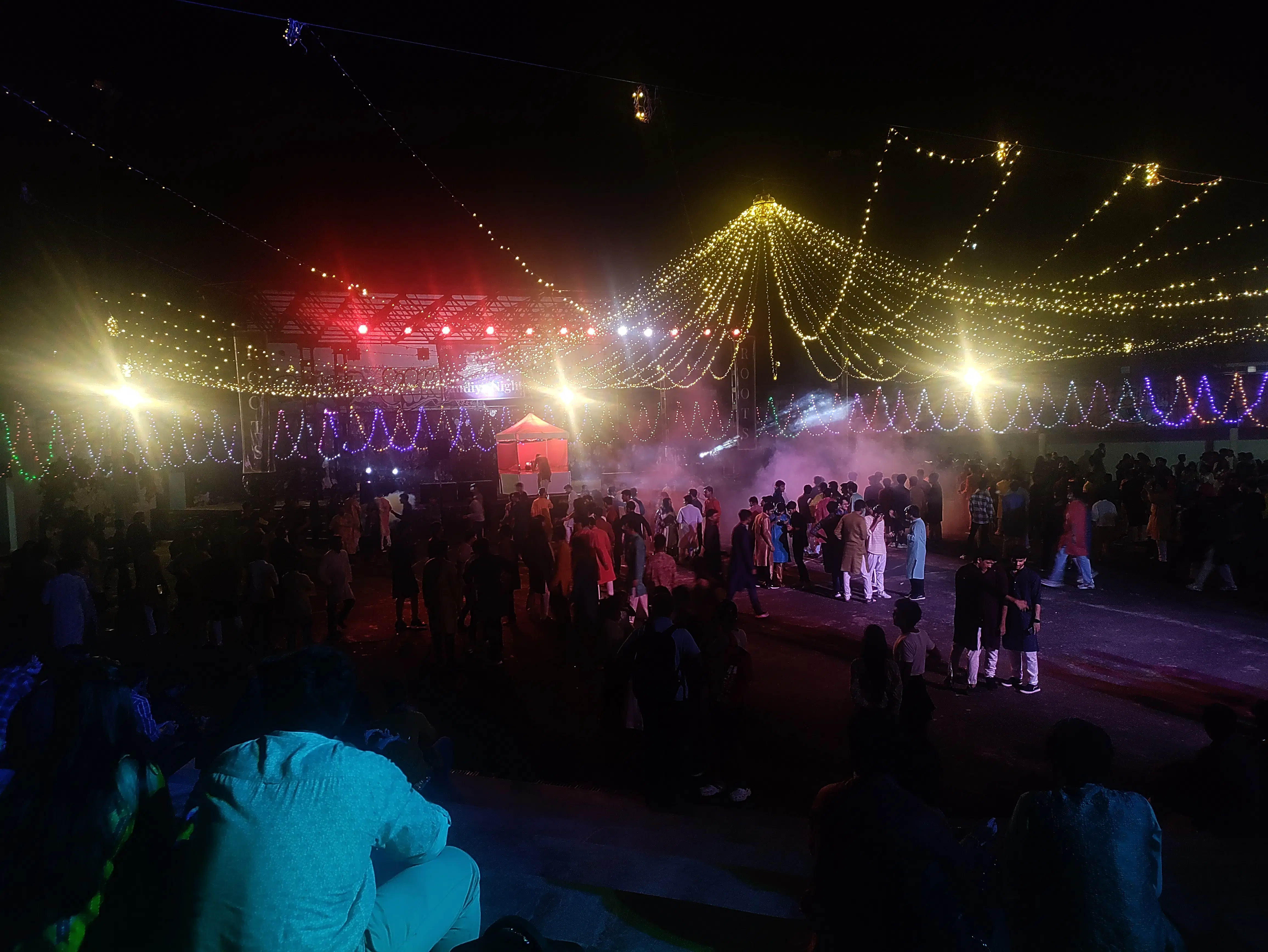
Open Air Theatre
Swimming Pool
Football Ground
Cricket Ground
Hockey Ground
Basketball Courts
Tennis Courts
Cafeterias
IIT Delhi maintains a structured fee policy that varies significantly across its diverse undergraduate and postgraduate offerings. The total cost of education typically includes components such as tuition fees, one-time admission charges, and security deposits. For professional programs like the MBA, the institute follows a high-investment model reflecting the program's premium standing, whereas research-oriented programs like the M.Sc. and M.Tech. are subsidized to foster academic growth.
The residential nature of the campus is supported by separate hostel and mess fees, which differ based on whether a student is allotted "old" or "new" hostel facilities. Additionally, the institute provides substantial financial concessions, including full tuition fee waivers for SC, ST, and PwD category students, ensuring that technical education remains accessible to all qualified candidates regardless of their economic background.
| Course | Specializations | Fees |
| B.Tech | Computer Science, Mathematics & Computing, Electrical, Mechanical, Civil, Chemical, Engineering Physics, Production & Industrial, Energy, Textile Technology, Materials | 8 Lakhs |
| B.Tech + M.Tech | Computer Science, Mathematics & Computing, Chemical Engineering | 8.35 Lakhs |
| MBA | Management Systems, Telecommunication Systems Management | 12 Lakhs |
| M.Tech / M.E. | Computer Science, VLSI Design, Power Systems, Smart Grids, Communications Systems, Robotics, Advanced Manufacturing | 70,000 |
| M.Sc. | Physics, Chemistry, Mathematics, Economics, Cognitive Science, Biological Sciences | 30,000 – 70,000 |
| B.Des | Design | 8 Lakhs |
| M.Des | Industrial Design | 3 Lakhs |
| PG Diploma | Metro Transport and Management, Naval Construction | 2.25 Lakhs |
| M.S. (R) | Computer Science, Biochemical Engineering, Machine Intelligence, VLSI Design, Electrical Engineering | 70,000 |
| PhD | Engineering, Management, Humanities, Social Sciences | 7,500 per sem |









1.webp)




Total Reviews (165)
Alisa Manama Product Designer
This article really resonates with me! As a working parent, online learning has been a game-changer. I’m able to continue my education without sacrificing family time. I genuinely believe that this is the future of education.
Jordan Walk By Author
Absolutely! It’s amazing how online learning adapts to our lives, isn’t it? Being able to balance work, family, and education is such a huge advantage. Glad it’s working so well for you!
Lisa Oliva Fashion Designer
This article really resonates with me! As a working parent, online learning has been a game-changer. I’m able to continue my education without sacrificing family time. I genuinely believe that this is the future of education.