

CAT 2026 last 15 days preparation plan for MBA aspirants
November 11, 2026
NH-58, Modipuram, Meerut, Uttar Pradesh - 250110 | University | Estd 2006
(Reviews)

Shobhit Institute of Engineering & Technology, popularly known as Shobhit University, is a private Deemed-to-be University located at NH-58, Modipuram, Meerut, Uttar Pradesh – 250110. The institution was established in 2000 and received Deemed-to-be University status in 2006 under Section 3 of the University Grants Commission Act, 1956. It provides higher education across engineering, technology, computer applications, management, law, agriculture, life sciences and other applied disciplines.
The university aims to combine academic learning with practical education, professional development, research and industry-oriented skills. Its multidisciplinary structure gives students the opportunity to choose from technical, scientific, management and professional programmes according to their educational background and career plans.
Institutional Details
| Particular | Details |
|---|---|
| Full name | Shobhit Institute of Engineering & Technology |
| Popular name | Shobhit University, Meerut |
| Established | 2000 |
| Deemed-to-be University status | 2006 |
| Institution type | Private Deemed-to-be University |
| Campus location | NH-58, Modipuram, Meerut, Uttar Pradesh |
| Accreditation | NAAC Grade A; reported CGPA 3.12 |
| Main academic areas | Engineering, technology, science, management, law and computer applications |
| Undergraduate entrance routes | SUNET, CUET-UG, JEE Main or course-specific merit, as applicable |
| Postgraduate entrance routes | SUNET, CUET-PG, GATE, CAT, MAT, XAT or other course-specific criteria, as applicable |
Recognition and Academic Status
The institution identifies itself as a UGC-recognised Deemed-to-be University with UGC 12(B) status and NAAC Grade A accreditation. It also lists relevant approvals or recognition for specific professional programmes, including AICTE, the Bar Council of India and other applicable bodies. Approval requirements differ by discipline, so applicants should verify the current status of the exact programme they intend to study.
A university-level recognition does not mean that every programme follows the same approval process. Engineering, law, teacher education and other professional courses may have separate regulatory requirements. Students should confirm the current recognition, intake and eligibility conditions for their selected programme before applying.
Schools and Academic Disciplines
The university offers programmes across several fields, including engineering and technology, basic and applied sciences, management, computer applications, law, agriculture and life sciences. Its academic portfolio may include undergraduate, postgraduate and doctoral options, depending on the current course catalogue.
| Academic area | Examples of programmes or specialisations |
|---|---|
| Engineering and Technology | B.Tech in Computer Science and Engineering, Agriculture Engineering, Biomedical Engineering and Biotechnology |
| Computing and Digital Technology | Computer Science specialisations such as AI and Machine Learning, Data Science, Cyber Security, Internet of Things, Cloud Computing and Full Stack Development |
| Applied and Life Sciences | Biotechnology, Microbiology, Biomedical Science and Nutrition & Dietetics |
| Agriculture | B.Sc. (Hons.) Agriculture and Agriculture Engineering |
| Computer Applications | BCA, BCA specialisations and MCA |
| Management and Commerce | BBA, B.Com (Hons.), MBA and related programmes |
| Law | BA LL.B., BBA LL.B. (Hons.) and B.Com LL.B. (Hons.) |
| Research | Ph.D. and other approved research programmes |
The programme list is indicative rather than an assurance that every specialisation is accepting applications in every admission cycle. Course names, availability, intake and eligibility should be checked against the current prospectus.
Engineering and Technology Education
Engineering programmes focus on applying scientific and mathematical principles to technical problems. Students study core subjects, attend laboratory sessions, complete assignments and projects, and develop analytical, design and problem-solving skills. Depending on the chosen branch, the curriculum may cover software development, algorithms, databases, networks, electronics, mechanical systems, agricultural technology, biomedical devices or biotechnology.
The Computer Science and Engineering pathway is relevant to students interested in software development, cloud computing, data-driven systems, cybersecurity and emerging digital technologies. Agriculture Engineering connects engineering methods with agricultural machinery, production systems, food technology and related applications. Biomedical Engineering combines engineering principles with medical instruments, biological systems and healthcare technology. Biotechnology focuses on biological processes and their applications in research, industry and related fields.
Computer Science and Emerging Technologies
Computer Science students develop foundations in programming, data structures, algorithms, operating systems, databases, software engineering and computer networks. Depending on the selected specialisation, further study may cover machine learning, data analytics, cloud platforms, cyber defence, Internet-connected systems and full-stack application development.
These subjects can support careers in software engineering, application development, information technology, testing, analytics and related technical areas. Career outcomes depend on students' coding ability, project work, internships, communication skills and performance during recruitment.
Biomedical Engineering and Biotechnology
Biomedical Engineering applies engineering methods to medical equipment, instrumentation, signal processing, diagnostic technology and healthcare systems. It can suit students interested in technology that supports healthcare delivery, medical devices and applied research.
Biotechnology focuses on biological processes and their applications in healthcare, agriculture, industry and scientific research. Students may study biological sciences, laboratory methods, molecular techniques and related areas, depending on the programme curriculum. Graduates can explore laboratory, quality-control, research-support, biotechnology and further-study opportunities subject to their qualifications and experience.
Agriculture and Applied Sciences
Agriculture-related programmes combine scientific understanding with production systems, agricultural technology and practical problem-solving. Depending on the course, study may involve crop production, soil science, farm machinery, food-related technologies and sustainable agricultural practices.
Applied science programmes such as Microbiology, Biomedical Science, Nutrition & Dietetics and Biotechnology provide subject-specific foundations for laboratory, research, industry and further-study pathways. Students should check the precise degree title and practical or internship requirements before choosing a course.
Management, Commerce and Computer Applications
Management and commerce programmes introduce students to business operations, finance, marketing, accounting, organisational behaviour, human resources and decision-making. BBA and MBA pathways may suit students interested in business management, sales, operations, entrepreneurship and corporate roles. B.Com programmes offer a foundation in commerce, accounting and financial processes.
BCA and MCA programmes focus on computing and applications, with the curriculum depending on the programme and chosen specialisation. Students can strengthen their employability through programming practice, projects, internships, industry certifications and communication skills.
Law and Professional Education
Integrated law programmes such as BA LL.B., BBA LL.B. and B.Com LL.B. combine legal study with foundational subjects from humanities, management or commerce. The curriculum generally develops legal reasoning, research, interpretation, writing and advocacy skills. Students should verify current professional approval and programme requirements, as well as the eligibility conditions for legal practice after graduation.
Campus and Learning Environment
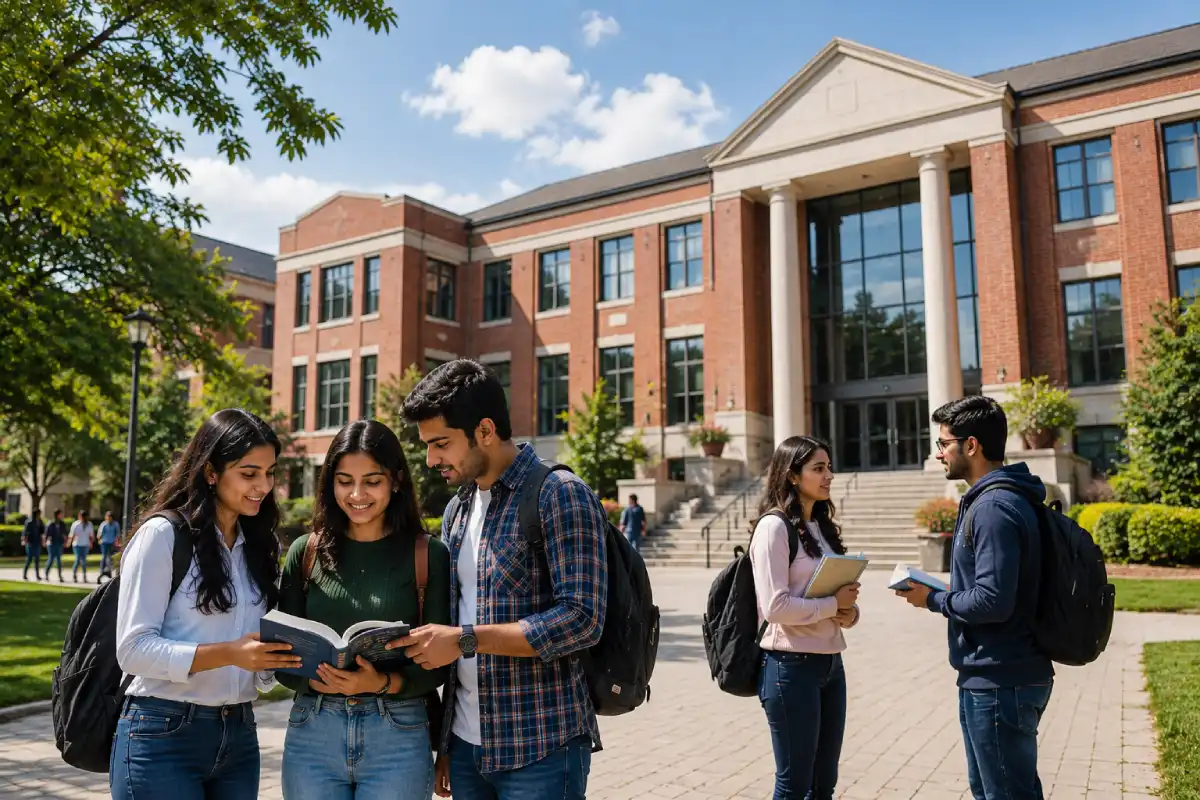
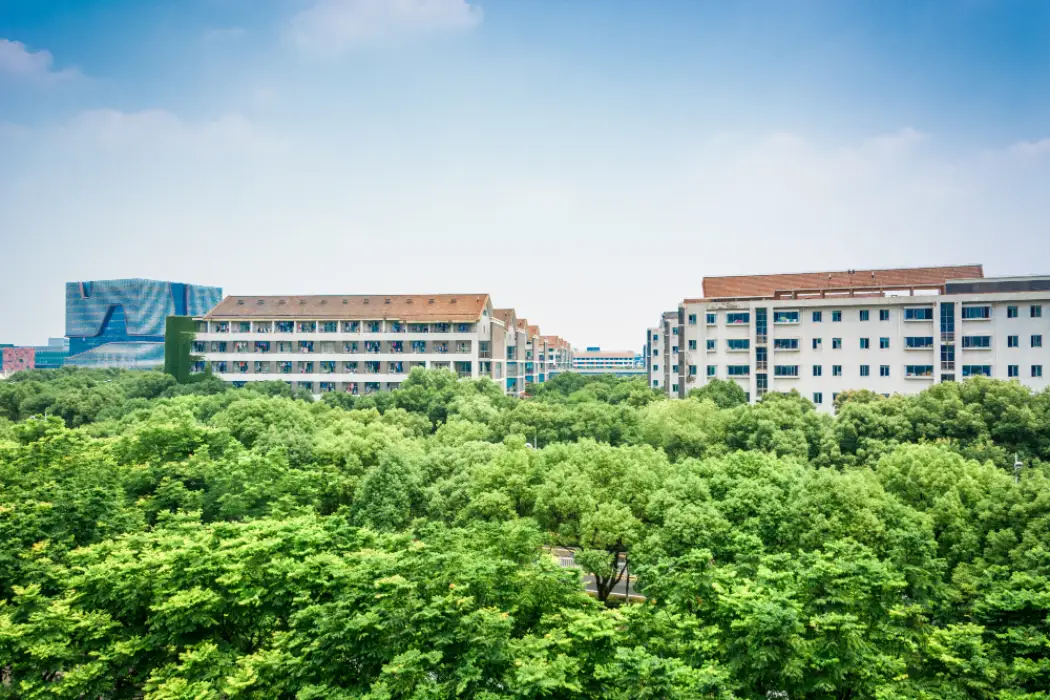
The university's Modipuram campus provides a setting for classroom teaching, practical work, academic activities and student life. Prospective students should enquire about the availability and access arrangements for laboratories, computer facilities, library resources, lecture halls, project spaces, seminar facilities, sports, residential accommodation and dining services.
Laboratory access is particularly important for engineering and applied-science programmes. Students should ask whether the practical facilities match the chosen course, how laboratory sessions are scheduled and whether students have opportunities to undertake projects, internships or research activities.
Industry Orientation and Practical Learning
Practical education may include laboratory assignments, team projects, presentations, technical activities, internships and industry interaction. These experiences help students apply classroom knowledge to realistic problems and develop professional habits.
Students should ask about current internship arrangements, project supervision, industry partnerships, technical clubs, career counselling and placement preparation. The value of these opportunities depends on actual participation, the quality of guidance and the relevance of the work to the student's chosen field.
Accreditation, Rankings and Reputation
The institution reports NAAC Grade A accreditation and appears in publisher-specific rankings for individual streams. Rankings should be read with their publisher, year and subject category, as a B.Tech ranking cannot be used as an overall university ranking. Students should also distinguish publisher rankings from NIRF rankings and verify the relevant year's results before using a rank in a comparison.
A ranking is only one part of an admission decision. Programme approval, curriculum, faculty, laboratory access, fees, student support and graduate outcomes are equally important factors to consider.
Student Accommodation and Campus Life
Hostel accommodation is available, subject to the current allocation policy and room availability. Students from outside Meerut should confirm room types, annual charges, mess arrangements, refundable deposits, security arrangements and residential rules. Hostel fees may change between academic sessions, and an older published rate should not be assumed to be the current payable amount.
Campus life can include student clubs, societies, sports, seminars, cultural activities and academic events. Participation can help students build teamwork, communication, leadership and organisational skills alongside their studies.
Who Should Consider Shobhit University?
The university may suit students seeking a private university environment with multiple academic streams and options in engineering, computing, applied sciences, management, law and agriculture. It can be particularly relevant for students who want to compare specialist branches such as Computer Science, Biomedical Engineering, Biotechnology or Agriculture Engineering rather than selecting a course based only on the university's name.
Before applying, students should compare the specific course curriculum, total fees, accommodation costs, recognition, faculty and laboratory facilities, internship opportunities and verified placement outcomes.
Overall Institutional Perspective
Shobhit Institute of Engineering & Technology offers a multidisciplinary higher-education environment in Meerut, with programmes spanning technical, scientific and professional subjects. The suitability of the institution depends on the chosen course, the student's academic goals, available facilities, total financial commitment and career plans. A careful course-by-course comparison is the best way to assess whether the university matches an applicant's requirements.










































































Total Reviews (0)
No reviews found.