CAT 2026 last 15 days preparation plan for MBA aspirants
November 11, 2026
(Reviews)
Info
Courses & Fees
Admission
CutOff
Placement
Reviews
Agrawan Heritage University (AHU) is a private university located at Bamrauli Katara, Fatehabad Road, Agra, Uttar Pradesh. Established in 2023, the university offers academic programmes across multiple disciplines, including engineering, agriculture, pharmacy, management, computer applications, science, commerce, arts, hospitality and other professional and academic fields. The university was established through the initiative of Shri Jagdish Jan Kalyan Education Trust with the objective of providing higher education and professional learning opportunities in the Agra region.
Agrawan Heritage University operates as a private university and is listed in the University Grants Commission's private university records. Its establishment provides students in Agra and surrounding regions with an opportunity to pursue undergraduate, postgraduate, diploma and doctoral-level education across different academic streams.
University Overview
| Particular | Details |
|---|---|
| University Name | Agrawan Heritage University |
| Short Name | AHU |
| University Type | Private University |
| Established | 2023 |
| Location | Bamrauli Katara, Fatehabad Road, Agra |
| State | Uttar Pradesh |
| PIN Code | 282006 |
| Campus Area | 54 Acres (reported in university annual report) |
| Sponsoring Body | Shri Jagdeesh Jan Kalyan Educational Trust |
| Academic Programmes | UG, PG, Diploma and Ph.D. |
| Main Faculties | Engineering, Management, Pharmacy, Agriculture, Science, Commerce, Arts and Computer Science |
| University Recognition | UGC-listed State Private University |
| Website | www.ahu.ac.in |
Agrawan Heritage University provides an academic environment for students seeking professional and general higher education. The university's programmes are structured around different career fields, allowing students to choose academic pathways according to their interests, educational background and career goals. Its multidisciplinary approach includes technical education, business and management studies, agricultural education, pharmaceutical studies, computer applications and traditional academic disciplines.
Academic Faculties and Disciplines
Faculty of Engineering
The Faculty of Engineering offers engineering-related programmes at diploma, undergraduate and postgraduate levels, subject to programme availability. Engineering education generally includes theoretical study, practical laboratory work, project development, technical problem-solving and application-oriented learning.
Engineering disciplines listed in programme directories include Computer Science Engineering, Civil Engineering, Mechanical Engineering, Electrical Engineering and Electronics and Communication Engineering. Students pursuing engineering courses develop knowledge in technical systems, engineering design, computing, mathematics, scientific principles and industry-oriented applications.
Faculty of Management
Management programmes include undergraduate and postgraduate options such as BBA and MBA. Management education covers business administration, marketing, finance, human resource management, entrepreneurship, organisational behaviour, business communication and management principles.
Students interested in corporate careers, business development, entrepreneurship, operations, marketing and administration may explore management programmes based on their eligibility and professional goals.
Faculty of Agriculture
Agricultural education is an important academic area at the university. The B.Sc. Agriculture programme provides students with academic knowledge and practical understanding of agricultural sciences, crop production, soil science, plant protection, agronomy, horticulture and agricultural development.
Agriculture students may study crop management, agricultural economics, soil fertility, plant pathology, agricultural extension, farm management and agricultural technologies. Practical training may involve laboratory work, agricultural field activities, demonstrations and academic projects.
Faculty of Pharmacy
The university lists pharmacy programmes including Bachelor of Pharmacy (B.Pharm) and Diploma in Pharmacy (D.Pharm). Pharmacy education involves pharmaceutical chemistry, pharmacology, pharmaceutics, pharmaceutical analysis, medicinal science and pharmacy-related practical training.
Students pursuing pharmacy programmes should verify the current course-specific approval, intake and regulatory status before admission.
Faculty of Computer Science
Computer science and application programmes include BCA, MCA and PGDCA. These programmes generally focus on computer applications, programming, database management, computer networks, software development, information systems and computing technologies.
Students may develop programming skills, analytical abilities, software application knowledge and technical competencies through classroom learning, practical work and projects.
Faculty of Science
Science programmes include undergraduate and postgraduate courses in science disciplines. Depending on the current programme list, subjects may include Physics, Chemistry, Mathematics, Biology, Computer Science and other science-related fields.
Science education provides students with analytical, laboratory, research and scientific problem-solving skills. Graduates may pursue further education, research, teaching, technical careers or employment in scientific and related industries depending on their qualification.
Faculty of Arts and Humanities
The university lists Bachelor of Arts and Master of Arts programmes. Arts and humanities education may cover language, literature, social sciences, humanities and other academic areas according to the course structure.
Students may develop communication, research, writing, analytical, cultural and social understanding skills through their academic study.
Faculty of Commerce
Commerce programmes include B.Com and M.Com. These courses generally cover accounting, finance, taxation, business law, economics, commerce, financial reporting and business-related subjects.
Commerce students may explore careers in banking, accounting, financial administration, business operations, taxation, commerce-related higher education and professional examinations.
Hospitality and Diploma Education
The university also lists Bachelor of Hotel Management (B.H.M.) and diploma programmes such as Diploma in Hotel Management, Diploma in Yoga and Diploma in Fire and Safety. Programme duration, curriculum and intake may differ according to the course.
These programmes may help students develop vocational, professional and practical skills relevant to hospitality, wellness, safety and service-related careers.
Campus and Infrastructure
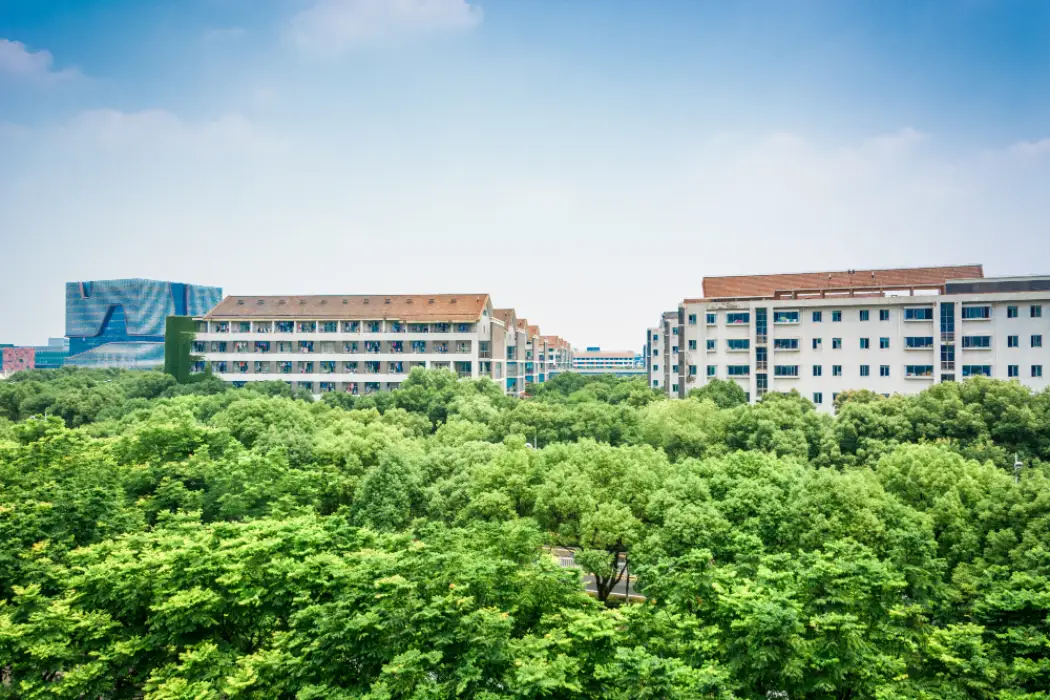
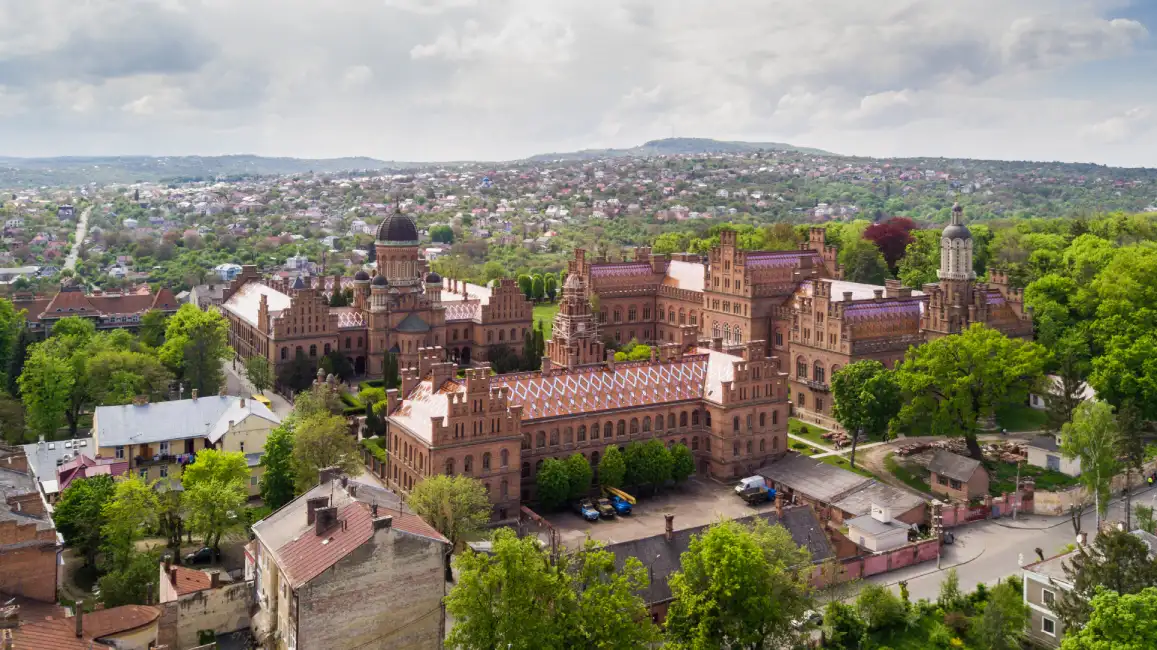
Agrawan Heritage University reports a campus spread across approximately 54 acres in its annual report. The university describes its educational infrastructure as including academic buildings, classrooms, laboratories, a library, computer facilities and other learning and student-support infrastructure.
Academic facilities are intended to support classroom instruction, practical learning, research activities, student development and professional education.
Facilities and campus infrastructure mentioned by the university include:
Library and academic study resources.
Laboratory facilities.
Computer laboratories.
Classrooms and academic spaces.
Auditorium and event facilities.
Student activities and extracurricular opportunities.
Academic and administrative facilities.
Research and development support.
Placement-related support services.
Campus-related student facilities.
Research and Academic Development
The university offers doctoral programmes and maintains academic and research-related structures for higher education and research activities. Ph.D. programmes are subject-specific and generally require candidates to satisfy postgraduate eligibility requirements, entrance examination or applicable admission regulations.
Research activities may include academic research, dissertations, laboratory work, field-based studies, research presentations and scholarly projects depending on the department and research discipline.
Agrawan Heritage University is a multidisciplinary private university in Agra offering opportunities across technical, management, agricultural, pharmacy, science, commerce, humanities and vocational education. Students should evaluate programmes individually according to academic eligibility, regulatory approval, fee structure, curriculum and career requirements.
0 Reviews
Excellent
Agrawan Heritage University, Agra, offers undergraduate, postgraduate, diploma and doctoral programmes across a range of academic disciplines. Its academic offerings include engineering, agriculture, pharmacy, management, computer applications, science, commerce, arts, hospitality and vocational education.
The university's courses are intended to provide students with academic knowledge and professional skills relevant to their chosen field. Programme duration, specialisations, admission requirements, total fees and course availability vary according to the degree and current academic regulations.
Courses Offered at Agrawan Heritage University
| Faculty / Stream | Courses |
|---|---|
| Engineering | Diploma, B.Tech., M.Tech. |
| Agriculture | B.Sc. Agriculture |
| Management | BBA, MBA |
| Computer Science | BCA, MCA, PGDCA |
| Science | B.Sc., M.Sc. |
| Arts | BA, MA |
| Commerce | B.Com, M.Com |
| Pharmacy | B.Pharm, D.Pharm |
| Hospitality | BHM |
| Diploma | DHM, Diploma in Yoga, Diploma in Fire & Safety |
| Doctoral Studies | Ph.D. |
Engineering Courses
Engineering education at Agrawan Heritage University includes undergraduate, postgraduate and diploma programmes. Engineering students are generally trained in technical concepts, mathematical methods, practical laboratory work, engineering design, computational applications and project development.
B.Tech. Specialisations Listed
Computer Science Engineering
Civil Engineering
Mechanical Engineering
Electrical Engineering
Electronics and Communication Engineering
Engineering Programme Overview
| Course | Duration | Eligibility |
|---|---|---|
| B.Tech. | 4 Years | 10+2 with prescribed subjects and applicable admission requirements |
| M.Tech. | Generally 2 Years | Relevant bachelor's degree in engineering or equivalent |
| Engineering Diploma | Generally 3 Years after Class 10 | Class 10 qualification, subject to programme rules |
The B.Tech. programme is intended for students interested in professional engineering careers. Depending on their chosen branch, students may study programming, engineering mathematics, electronics, construction technology, manufacturing systems, electrical systems, design, engineering fundamentals and technical projects.
Agriculture Courses
| Course | Duration | Eligibility |
|---|---|---|
| B.Sc. Agriculture | Generally 4 Years | 10+2 with applicable subjects and admission requirements |
The B.Sc. Agriculture programme covers agricultural sciences and their practical application. Academic areas generally include agronomy, horticulture, agricultural economics, soil science, plant protection, agricultural extension, crop production and agricultural technology.
Agriculture students may undertake field activities, practical experiments, agricultural demonstrations, assignments and research-oriented academic projects.
Management Courses
| Course | Duration | Eligibility |
|---|---|---|
| BBA | Generally 3 Years | 10+2 |
| MBA | Generally 2 Years | Bachelor's degree, subject to current admission rules |
BBA provides undergraduate business and management education, while MBA focuses on advanced management and organisational studies. Students may study business administration, finance, marketing, human resources, operations, entrepreneurship, management communication and organisational behaviour.
Computer Application Courses
| Course | Duration | Eligibility |
|---|---|---|
| BCA | Generally 3 Years | 10+2 |
| MCA | Generally 2 Years, depending on applicable structure | Bachelor's degree and programme requirements |
| PGDCA | Generally 1 Year | Bachelor's degree, subject to rules |
Computer application courses focus on software, computing systems, programming, databases, information systems, networks and application development.
Students may develop practical skills in programming languages, software tools, database applications, system management and computer-based problem solving.
Science Courses
| Course | Duration | Eligibility |
|---|---|---|
| B.Sc. | Generally 3 Years | 10+2 in applicable subjects |
| M.Sc. | Generally 2 Years | Relevant bachelor's degree |
Science programmes provide academic and practical learning in different science disciplines. Subject options and specialisations may depend on the current academic programme list.
Arts Courses
| Course | Duration | Eligibility |
|---|---|---|
| BA | Generally 3 Years | 10+2 |
| MA | Generally 2 Years | Relevant bachelor's degree or qualifying degree |
Arts programmes provide academic learning in humanities, social sciences, language, literature and other disciplines, depending on the course offered.
Commerce Courses
| Course | Duration | Eligibility |
|---|---|---|
| B.Com | Generally 3 Years | 10+2 |
| M.Com | Generally 2 Years | Bachelor's degree, subject to programme requirements |
Commerce programmes cover financial accounting, economics, taxation, business studies, finance, commerce, financial reporting and related subjects.
Pharmacy Courses
| Course | Duration | Eligibility |
|---|---|---|
| B.Pharm | Generally 4 Years | 10+2 with required subjects |
| D.Pharm | Generally 2 Years | 10+2 with required subjects |
Pharmacy education includes pharmaceutical sciences, drug formulation, medicinal chemistry, pharmacology, pharmaceutical analysis and practical training.
Students must verify the applicable Pharmacy Council of India approval, course intake and current programme-specific admission requirements before admission.
Hospitality Courses
| Course | Duration | Eligibility |
|---|---|---|
| BHM | Programme-specific | 10+2, subject to requirements |
| DHM | Programme-specific | Programme-specific |
Hospitality programmes focus on hotel operations, hospitality services, food and beverage management, customer service, accommodation management and related professional skills.
Other Diploma Courses
Diploma in Yoga.
Diploma in Fire & Safety.
Diploma in Hotel Management.
Engineering diploma programmes.
Agriculture-related diploma programmes listed in course directories, subject to current availability.
Indicative Fees
The following figures are indicative course fees reported in published listings and are not a confirmed complete 2026 university fee schedule.
| Course | Indicative Total Fees |
|---|---|
| B.Sc. Agriculture | ₹72,000 |
| BBA | ₹90,000 |
| B.Tech. | ₹2,40,000 |
| M.Sc. | ₹40,000 |
| MBA | ₹15,000 – ₹1,30,000 |
| Polytechnic | ₹90,000 |
| B.Pharm | ₹3,20,000 |
| D.Pharm | ₹1,70,000 |
| B.Sc. | ₹36,000 |
| M.Com | ₹1,30,000 |
Fees may differ according to the programme, specialization, duration, tuition structure and other applicable charges. Students should also consider examination fees, registration fees, practical fees, hostel charges and other costs, wherever applicable.
Academic and Practical Learning
The university's programmes generally combine academic instruction with practical learning according to their respective disciplines. Engineering students may undertake laboratory work and technical projects; agriculture students may participate in field-based learning; pharmacy students may complete laboratory and pharmaceutical practicals; and management students may undertake case studies, presentations and business-related projects.
Computer application students may work on programming, software development and project assignments, while science students may participate in practical and laboratory activities.
Career Opportunities
The courses offered by Agrawan Heritage University may provide pathways into different employment sectors:
Engineering and Technology.
Agriculture and Agribusiness.
Banking and Finance.
Business Administration.
Software and IT.
Pharmaceutical Industry.
Science and Research.
Commerce and Accounting.
Hospitality and Hotel Management.
Academic and Higher Education.
Students should select programmes according to their interests, eligibility, professional objectives, applicable course approvals and the current fee structure.
Agrawan Heritage University, Agra, offers admission opportunities across undergraduate, postgraduate, diploma and doctoral programmes. The university's academic programmes are available in multiple disciplines, including engineering, agriculture, pharmacy, management, computer applications, science, commerce, arts and hospitality.
Admission requirements differ according to the programme. Candidates applying for undergraduate courses generally need to have completed Class 12 from a recognised board, while postgraduate programmes generally require a relevant bachelor's degree. Diploma programmes may require Class 10 or Class 12 depending on the course.
Admission Overview
| Particular | Details |
|---|---|
| University | Agrawan Heritage University |
| University Type | Private University |
| Location | Agra, Uttar Pradesh |
| Admission Session | 2026–27 |
| Admission Level | UG, PG, Diploma and Ph.D. |
| Application Mode | Online and university office application, according to published admission process |
| Basic UG Qualification | 10+2, depending on programme |
| Basic PG Qualification | Bachelor's degree, depending on programme |
| Doctoral Qualification | Master's degree and applicable Ph.D. requirements |
| Admission Procedure | Programme-specific application, eligibility and selection procedure |
Undergraduate Admission
Undergraduate programmes are intended for candidates who have completed Class 12 from a recognised board. The required subjects and eligibility percentage may differ according to the course.
Courses and Basic Eligibility
| Programme | Basic Eligibility |
|---|---|
| B.Tech. | 10+2 with required subjects and applicable admission conditions |
| B.Sc. Agriculture | 10+2 with applicable subject requirements |
| BBA | 10+2 |
| BCA | 10+2 |
| B.Sc. | 10+2 with relevant subjects |
| BA | 10+2 |
| B.Com | 10+2 |
| B.Pharm | 10+2 with prescribed subjects |
| D.Pharm | 10+2 with prescribed subjects |
| BHM | 10+2 |
| Diploma | Class 10 or 10+2, depending on course |
The university may apply course-specific academic requirements, minimum percentage criteria, subject conditions or other selection rules. Candidates should review the current admission guidelines for their chosen programme.
Postgraduate Admission
Postgraduate programmes are intended for candidates who have completed a relevant undergraduate degree from a recognised university.
| Programme | Basic Eligibility |
|---|---|
| MBA | Bachelor's degree |
| M.Tech. | Relevant engineering degree |
| MCA | Bachelor's degree and applicable programme conditions |
| M.Sc. | Relevant bachelor's degree |
| M.Com | Bachelor's degree |
| MA | Relevant bachelor's degree or qualifying degree |
Postgraduate admission may depend on academic qualifications, programme-specific requirements, applicable entrance examinations or the selection procedure adopted by the university.
Ph.D. Admission
The university publishes Ph.D.-related admission notifications, entrance examination forms and subject-wise seat information.
Candidates seeking doctoral admission generally need a relevant master's degree and must satisfy applicable research admission requirements. The selection process may involve an entrance examination, interview, academic evaluation or exemptions according to applicable regulations.
Candidates should consult the current Ph.D. notification for eligibility, entrance examination dates, subject-wise seat availability, application instructions and selection procedure.
Admission Procedure
Step 1 – Choose the Course
Applicants should identify the programme they want to pursue and review its duration, eligibility, subject requirements, fee structure and academic curriculum.
Step 2 – Check Eligibility
Candidates should ensure they meet the academic qualifications and subject requirements for the selected programme.
Step 3 – Submit the Application
Applicants may apply through the university's application process. The university's published admission information describes online application and application submission through the university office.
Step 4 – Submit Documents
Candidates should submit the prescribed documents for admission and verification.
Step 5 – Selection Process
Candidates may be evaluated according to the university's applicable admission rules. Selection may involve merit, programme-specific criteria, entrance examination or another prescribed process.
Step 6 – Document Verification
The university may verify the academic certificates, identity documents, photographs and other required records.
Step 7 – Fee Payment
Candidates selected for admission must complete the applicable fee payment and other admission formalities.
Documents Generally Required
Class 10 marksheet and certificate.
Class 12 marksheet and certificate.
Graduation marksheets and degree, for PG applicants.
Postgraduate marksheets and degree, for Ph.D. applicants.
Transfer certificate, where required.
Migration certificate, where required.
Identity proof.
Passport-size photographs.
Category certificate, where applicable.
Entrance examination documents, where applicable.
Other documents prescribed by the university.
Admission Dates – 2026
| Admission Event | Approximate Date |
|---|---|
| Application Opening | 1 April 2026 |
| Application Closing | 30 September 2026 |
| Admission Counselling | Programme-specific |
| Document Verification | According to admission procedure |
| Session Commencement | According to academic calendar |
The above dates are approximate profile dates and are not confirmed official dates for every course.
Admission Considerations
Candidates applying for professional programmes should verify programme-specific regulatory approvals, course intake and eligibility before admission. Pharmacy applicants should check the relevant PCI approval details. Engineering applicants should review the current course availability and applicable admission rules.
Students should also review the fee structure, scholarship criteria, refund policy, hostel facilities and academic calendar before confirming admission.
Agrawan Heritage University provides multiple academic pathways for students seeking higher education in Agra. The admission procedure and eligibility conditions should be evaluated course-wise because the requirements for engineering, agriculture, management, pharmacy, science, humanities, diploma and doctoral programmes may differ considerably.
Agrawan Heritage University offers undergraduate, postgraduate and diploma programmes across multiple disciplines. Admission cutoffs may differ according to the course, academic qualification, selection process, applicant category, available seats and admission regulations applicable to the relevant academic year.
The university does not have one common cutoff score applicable to all courses. Engineering, agriculture, management, pharmacy, science, commerce, arts and computer applications programmes may follow different eligibility and admission procedures.
Course-Wise Admission and Cut-off Overview
| Course | Basic Eligibility | Cut-off Information |
|---|---|---|
| B.Tech. | 10+2 with prescribed subjects | Programme-specific selection |
| B.Sc. Agriculture | 10+2 with applicable subjects | Programme-specific selection |
| BBA | 10+2 | Merit/selection criteria as applicable |
| BCA | 10+2 | Merit/selection criteria as applicable |
| B.Sc. | 10+2 with relevant subjects | Programme-specific selection |
| BA | 10+2 | Merit/selection criteria as applicable |
| B.Com | 10+2 | Merit/selection criteria as applicable |
| B.Pharm | 10+2 with required subjects | Programme-specific eligibility and selection |
| D.Pharm | 10+2 with required subjects | Programme-specific eligibility and selection |
| MBA | Bachelor's degree | Programme-specific selection |
| M.Tech. | Relevant bachelor's degree | Programme-specific selection |
| MCA | Bachelor's degree and applicable requirements | Programme-specific selection |
| M.Sc. | Relevant bachelor's degree | Programme-specific selection |
| M.Com | Bachelor's degree | Programme-specific selection |
| MA | Bachelor's degree | Programme-specific selection |
Engineering Cut-off
Engineering admission requirements may depend on Class 12 subject qualifications, academic marks, entrance examination requirements and university admission regulations.
The university lists engineering specialisations including Computer Science Engineering, Civil Engineering, Mechanical Engineering, Electrical Engineering and Electronics and Communication Engineering.
Candidates should not assume a specific JEE Main rank or score is compulsory for all engineering admissions without checking the current admission rules. The applicable selection procedure should be confirmed for the academic session and course.
Agriculture Cut-off
B.Sc. Agriculture generally requires Class 12 qualifications with prescribed subjects. The admission eligibility and selection criteria may depend on the applicable university admission procedure and subject requirements.
Candidates should review the current programme-specific admission notification to determine the minimum qualifying requirements.
Pharmacy Cut-off
B.Pharm and D.Pharm admission generally require Class 12 qualifications with prescribed subjects. The admission criteria may include academic eligibility, applicable entrance or merit requirements and course-specific regulations.
Candidates should verify current pharmacy programme approvals and admission conditions before enrolment.
Management Cut-off
BBA admission generally requires Class 12 qualification, while MBA admission requires a qualifying bachelor's degree.
Management admission selection may be based on the university's applicable eligibility, merit, interview or other selection procedure.
Computer Applications Cut-off
BCA admission generally requires Class 12 qualification. MCA admission generally requires a bachelor's degree and may include specific mathematics, computer science or other eligibility conditions depending on the current regulations.
Understanding Eligibility and Cut-off
Eligibility and cut-off are two different admission concepts.
Eligibility refers to the minimum academic qualification and percentage required to apply or be considered for admission.
Cut-off refers to the actual selection threshold, such as a merit score, closing rank, entrance score or other selection position reached during an admission process.
Meeting minimum eligibility requirements does not automatically guarantee admission if the course follows a competitive selection process.
Factors Affecting Admission Selection
Marks obtained in the qualifying examination.
Required subjects in Class 12 or graduation.
Entrance examination performance, where applicable.
Programme-specific admission criteria.
Availability of seats.
Academic merit.
Category-related provisions, where applicable.
Counselling or selection process.
Current university admission regulations.
Admission Preparation
Candidates should prepare academic documents, identify their preferred course, review eligibility conditions, understand the fee structure and follow the applicable admission procedure.
For professional courses such as engineering and pharmacy, students should also review the current programme approval and admission requirements before enrolling.
No verified universal closing cutoff score or rank has been established for Agrawan Heritage University across its programmes. Therefore, applicants should use the applicable course-specific admission requirements rather than rely on an invented cutoff number.
Agrawan Heritage University, Agra, offers academic programmes in engineering, agriculture, management, pharmacy, computer applications, science, commerce, arts, hospitality and other fields. The university provides academic and professional education intended to develop students' knowledge, practical abilities and career-related skills.
The university maintains a placement-related department and describes industry interaction and employability development as part of its academic environment. However, independently verified programme-wise placement statistics, placement percentage, average salary and highest package for a recent completed graduating batch could not be reliably established.
Placement Overview
| Placement Parameter | Details |
|---|---|
| University | Agrawan Heritage University |
| Placement Cell | Listed by the university |
| Placement Assistance | University reports placement-related support |
| Highest Package | Not reliably established |
| Average Package | Not reliably established |
| Placement Percentage | Not reliably established |
| Recruiter List | Current verified list not established |
| Placement Statistics | Detailed current batch-wise statistics not established |
| Career Areas | Engineering, Agriculture, Management, Pharmacy, IT, Science, Commerce and other fields |
Placement Support and Career Development
University placement activities may include career guidance, placement-related communication, industry interaction, employment preparation and opportunities for students to engage with professional organisations.
Students may develop their career readiness through academic projects, practical training, presentations, internships, laboratory activities, field-based assignments, technical projects and other course-related activities.
The actual placement opportunities available to students may vary according to programme, specialisation, academic performance, professional skills, internships, recruiter requirements and current employment conditions.
Career Opportunities After Engineering
Engineering graduates may explore employment in technical, industrial, engineering services, construction, manufacturing, software, IT and other technology-related sectors.
Computer Science Engineering
Computer Science Engineering graduates may pursue opportunities such as:
Software Developer.
Web Developer.
Application Developer.
IT Support Professional.
Junior Programmer.
Technical Analyst.
Software Testing Associate.
Database Support Professional.
Employment opportunities may depend on programming knowledge, practical projects, technical assessments, internships and software-related skills.
Civil Engineering
Civil Engineering graduates may explore roles involving construction, infrastructure, structural work, project support, site operations, civil engineering consultancy and technical services.
Career opportunities may include junior civil engineer, site engineer, project assistant, construction supervisor and related roles, subject to employer requirements.
Mechanical Engineering
Mechanical Engineering graduates may explore manufacturing, maintenance, production, mechanical design, industrial operations, quality control and engineering services.
Electrical Engineering
Electrical Engineering graduates may explore electrical systems, power-related work, industrial electrical services, equipment maintenance, electrical design and technical operations.
Electronics and Communication Engineering
ECE graduates may explore electronics, communication systems, technical support, electronics testing, embedded systems and other related engineering fields.
Career Opportunities After Agriculture
B.Sc. Agriculture graduates may explore careers in agricultural production, agribusiness, agricultural input companies, farm management, agricultural extension, crop-related services and agricultural research support.
Potential career areas include:
Agricultural Field Officer.
Farm Management Associate.
Agribusiness Executive.
Agriculture Input Sales Professional.
Agricultural Extension Assistant.
Crop Production Associate.
Agricultural Research Assistant.
Agricultural Project Associate.
Some government agriculture positions may require specific recruitment examinations, subject qualifications or additional eligibility requirements.
Career Opportunities After Management
BBA and MBA graduates may explore business, administration, marketing, finance, operations, human resources, sales, customer relations and entrepreneurial activities.
Potential career areas include:
Business Development Executive.
Marketing Executive.
Sales Executive.
HR Executive.
Operations Associate.
Finance Assistant.
Administrative Executive.
Customer Relationship Executive.
Management Trainee.
Management employment opportunities depend on professional skills, communication, internships, academic performance and recruiter requirements.

Career Opportunities After Pharmacy
Pharmacy graduates may explore opportunities in pharmaceutical manufacturing, pharmacy services, pharmaceutical marketing, quality-related roles, pharmaceutical distribution and other pharmacy-related sectors subject to regulatory qualifications.
Potential career areas may include:
Pharmaceutical Sales Professional.

Pharmacy Assistant or Pharmacist, subject to applicable registration and qualification.
Production Assistant.
Pharmaceutical Quality Support.
Pharmaceutical Marketing Executive.
Drug Distribution and Supply Chain Associate.
Candidates should meet all applicable regulatory qualifications and registration requirements for their intended professional role.
Career Opportunities After Computer Applications
BCA and MCA graduates may explore opportunities in software development, computer applications, information technology, database support, software testing, web development and technical services.
Potential career areas include:
Junior Software Developer.
Web Developer.
IT Support Executive.
Application Support Associate.
Software Testing Associate.
Database Support Associate.
Computer Application Professional.
Students can improve their career readiness through coding projects, internships, technical certifications, practical applications and software development experience.
Career Opportunities After Science
Science graduates may explore further education, laboratory-related work, research support, academic careers, science-based industries and subject-specific opportunities depending on their degree and specialisation.
Career prospects may improve through higher education, research experience, practical laboratory skills and specialised professional qualifications.
Career Opportunities After Commerce
Commerce graduates may explore accounting, banking, finance, business administration, taxation, commerce-related employment, financial operations and further professional education.
Students may also pursue professional qualifications and competitive examinations according to their career goals.
Career Opportunities After Arts
Arts graduates may explore educational, administrative, social-sector, communication, content-related, research and other career areas depending on their subject and additional qualifications.
Career Opportunities After Hospitality
Hospitality students may explore hotel operations, hospitality services, guest relations, accommodation management, food and beverage operations and tourism-related opportunities.
Placement Preparation
Students can improve their employment prospects by developing the following skills:
Communication and Presentation.
Technical Skills relevant to the programme.
Computer Applications.
Professional Writing.
Interview Preparation.
Internship Experience.
Project Development.
Analytical Skills.
Teamwork.
Problem Solving.
Industry-related Certifications.
Practical and Professional Experience.
Placement Statistics and Salary Information
No verified current highest package, average package, placement percentage or programme-wise placement outcome has been established for Agrawan Heritage University. Therefore, specific salary figures or placement guarantees should not be considered confirmed.
Students considering admission should evaluate placement information by asking for the latest graduating-batch placement report, recruiter list, programme-wise placement data, internship details and salary statistics.
Agrawan Heritage University offers academic pathways across multiple professional and general disciplines. Career opportunities after graduation will depend on the student's course, subject specialisation, academic performance, practical skills, internships, recruitment eligibility and employment conditions.
November 11, 2026
November 11, 2026
September 07, 2026
September 04, 2026
September 03, 2026
September 02, 2026
August 25, 2026
August 22, 2026
August 18, 2026
August 17, 2026
August 14, 2026
August 13, 2026
August 11, 2026
August 08, 2026
July 31, 2026
July 27, 2026
July 24, 2026
July 20, 2026
July 11, 2026
July 09, 2026
June 13, 2026
June 10, 2026
June 07, 2026
May 29, 2026
May 27, 2026
May 25, 2026
May 23, 2026
May 21, 2026
May 18, 2026
May 17, 2026
May 14, 2026
May 13, 2026
May 11, 2026
May 09, 2026
May 07, 2026
May 07, 2026
April 29, 2026
April 28, 2026
April 28, 2026
April 24, 2026
April 21, 2026
March 31, 2026
March 30, 2026
March 23, 2026
March 20, 2026
March 14, 2026
February 23, 2026
February 19, 2026
February 16, 2026
February 16, 2026
February 10, 2026
February 10, 2026
February 07, 2026
February 07, 2026
February 05, 2026
February 05, 2026
January 09, 2026
January 07, 2026
June 05, 2025
Brochure download will be available soon!
Get details and latest updates
Total Reviews (0)
No reviews found.