

Top 10 Career Options After BCom: Jobs and Scope
September 07, 2026

Faridabad | | Estd 1997
(Reviews)

Al-Falah School of Engineering & Technology is an engineering institution located at Dhauj in Faridabad, Haryana. Established in 1997, it developed as part of the educational initiatives of Al-Falah Charitable Trust and has a history of offering undergraduate and postgraduate technical programmes. The institution's engineering education activities began before Al-Falah University was established under Haryana's private-university legislation in 2014. The present university operates at the Dhauj campus and offers a wider range of academic programmes.
The engineering school was initially established with programmes in Mechanical Engineering, Electronics & Communication Engineering and Computer Science & Engineering. Over time, additional engineering disciplines were introduced, including Mechanical & Automation Engineering, Electrical & Electronics Engineering and Civil Engineering. The institution's historical records also document postgraduate engineering programmes and changes in programme intake over successive academic years.
Location and Campus
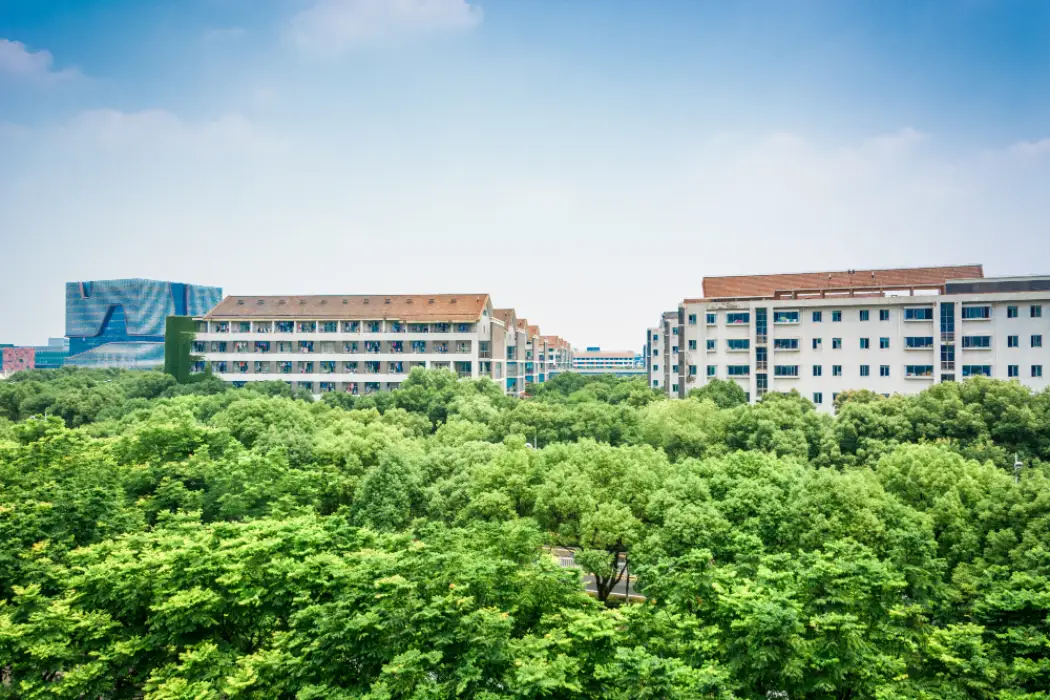
The campus is situated in Dhauj, Faridabad, Haryana – 121004. Its location places it within the wider Faridabad educational region, while the campus itself is outside the city's central commercial areas. Students should check their daily travel arrangements, available transport services and current hostel facilities before confirming admission.
The broader university campus has historically supported engineering and other academic departments. Campus facilities and services may vary by department and programme, so applicants should confirm which laboratories, workshops, libraries, computing facilities and practical-learning spaces are available to their selected engineering branch during the 2026–27 session.
Academic Structure and Engineering Disciplines
The institution's engineering portfolio includes undergraduate, lateral-entry and postgraduate study pathways. These programmes are intended for students entering engineering after Class 12, diploma holders seeking entry into a degree programme at the appropriate level, and graduates who want to pursue advanced technical study.
| Academic level | Programme | Typical duration |
|---|---|---|
| Undergraduate | B.Tech | 4 years |
| Undergraduate lateral entry | B.Tech, direct entry into the second year for eligible candidates | 3 years |
| Postgraduate | M.Tech | 2 years, subject to the programme offered |
| Diploma | Diploma in Engineering | 3 years |
The current programme list, approved intake and availability of each branch should be confirmed for the 2026–27 academic session. Historical programme availability does not necessarily establish that every course or shift is accepting students in the current admission cycle.
Computer Science & Engineering
Computer Science & Engineering is relevant to students interested in programming, software development, computer systems, databases, operating systems and the fundamentals of computing. Students pursuing this discipline should build a strong foundation in programming logic, mathematics, data structures and problem-solving. Practical assignments, coding exercises and project work are particularly important when preparing for software and IT-related roles.
Mechanical Engineering and Mechanical & Automation Engineering
Mechanical Engineering focuses on the design, analysis, production and maintenance of mechanical systems. The discipline commonly includes engineering mechanics, materials, manufacturing processes, thermodynamics, machine design and industrial production. Mechanical & Automation Engineering combines mechanical engineering fundamentals with automation-oriented concepts and may appeal to students interested in industrial machinery, manufacturing systems and production technology.
Civil Engineering
Civil Engineering prepares students to understand and contribute to infrastructure-related work involving buildings, roads, construction materials, structural systems, surveying and related engineering activities. Students should expect a combination of theoretical instruction, technical drawing, calculations, laboratory work and practical project-based learning.
Electrical & Electronics Engineering
Electrical & Electronics Engineering concerns electrical systems, electrical machines, circuits, power-related fundamentals, electronic devices and associated applications. Students interested in electrical equipment, industrial systems and electrical maintenance may find this field relevant. Practical laboratory work and a clear understanding of circuit theory are important components of engineering preparation.
Electronics & Communication Engineering
Electronics & Communication Engineering covers electronic circuits, communication systems, digital electronics and the principles underlying electronic devices and communication technologies. Depending on the curriculum and electives available, students may develop foundations relevant to electronics, testing, communications and related technical sectors.
Postgraduate Engineering Education
M.Tech programmes are intended for candidates who already possess the relevant engineering qualification or an accepted equivalent. Postgraduate study usually involves advanced technical subjects, specialised coursework and a greater emphasis on research, technical analysis or project work. The exact specialisations available, eligibility requirements and approved intake should be checked against the current admission notification.
Learning Environment and Student Preparation
Engineering students benefit most from a learning environment that combines classroom teaching with practical experience. Applicants should evaluate the branch-specific laboratory facilities, workshop access, faculty expertise, project opportunities, internship support and access to technical software before choosing a programme. Students should also ask whether the current curriculum includes industry-oriented projects, technical clubs, coding activities, industrial visits or professional-development sessions.
Institutional Background
The engineering school was established in 1997. Its historical records describe early AICTE approval and university affiliation, subsequent programme expansion, and the development of postgraduate engineering courses. Al-Falah University was established under an Act of the Haryana Legislative Assembly in 2014 and its website records UGC recognition under Sections 2(f) and 12(B) in 2015. Because institutional recognition and programme approvals can change, students should verify the current status of the specific course and intake they intend to join.
Who Should Consider This Institution?
The institution may be considered by students looking for engineering study options in Faridabad, particularly those comparing Computer Science, Mechanical, Civil, Electrical & Electronics and Electronics & Communication programmes. It may also be relevant to diploma holders exploring lateral entry and engineering graduates looking for postgraduate specialisation.
Before making a final decision, compare the total payable fee, programme availability, recognition and approval status, practical facilities, student feedback, commute or accommodation requirements and verified placement outcomes. These details are more useful for evaluating an institution than relying on a college name or an advertised package alone.












































































Total Reviews (0)
No reviews found.