

Top 10 Career Options After BCom: Jobs and Scope
September 07, 2026
Faridabad | College | Estd 2010
(Reviews)

Al-Falah School of Medical Sciences & Research Centre is a private medical college situated at Dhauj in Faridabad, Haryana. Established in 1997, the institution operates under Al-Falah University, a private university established under an Act of the Haryana Legislative Assembly in 2014. The medical college provides undergraduate medical education through the Bachelor of Medicine and Bachelor of Surgery (MBBS) programme and postgraduate medical education through selected Doctor of Medicine (MD) and Master of Surgery (MS) specialisations.
The institution is associated with Al-Falah Hospital, which provides a clinical setting relevant to medical education. Medical students require a combination of classroom teaching, laboratory-based learning, clinical demonstrations, patient interaction and supervised hospital training. The quality and extent of these experiences are important considerations for applicants comparing private medical colleges.
Location and Campus
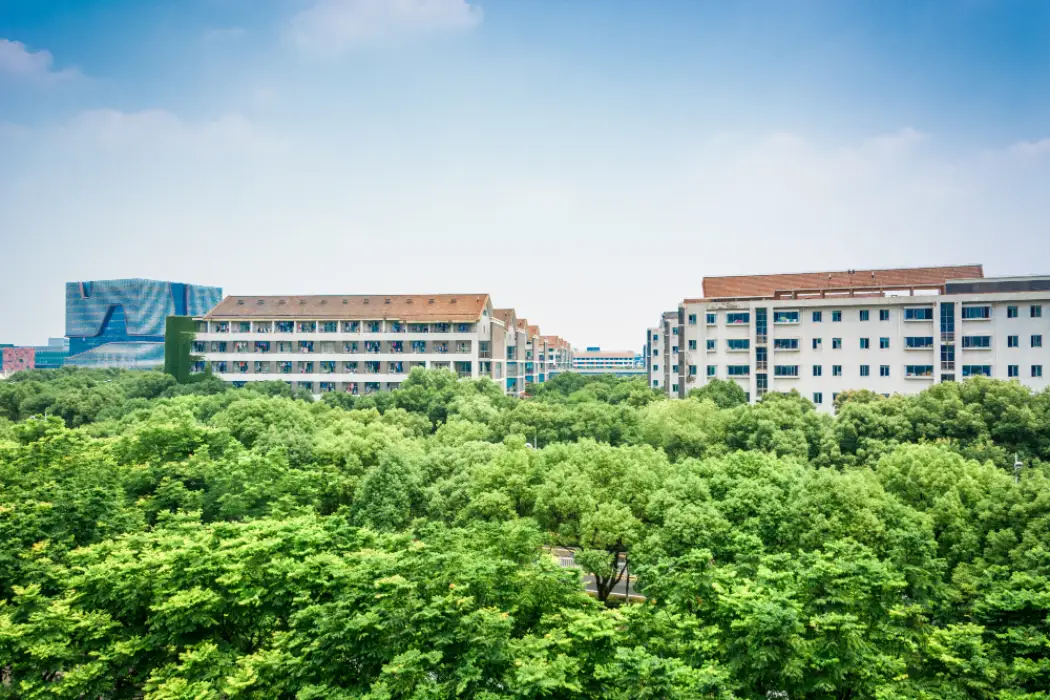
The college is located at Dhauj, Faridabad, Haryana – 121004. The campus forms part of the wider Al-Falah University educational complex. Students considering admission should assess travel arrangements, accommodation requirements and the availability of campus services before making a final decision.
The medical campus and its associated hospital are important parts of the institution's learning environment. Applicants should enquire about the current clinical departments, inpatient and outpatient services, laboratory facilities, practical training arrangements and clinical exposure available to students in each phase of the MBBS programme.
Courses Offered
The medical college's published programme information includes the following principal qualifications:
| Course | Full name | Typical duration | Admission examination |
|---|---|---|---|
| MBBS | Bachelor of Medicine and Bachelor of Surgery | 5.5 years, including internship | NEET-UG |
| MD | Doctor of Medicine | Generally 3 years | NEET-PG |
| MS | Master of Surgery | Generally 3 years | NEET-PG |
The availability of individual postgraduate specialisations and their approved intake can change by academic session. Applicants should consult the current programme list and counselling seat matrix rather than assuming that every specialisation listed in an older prospectus is available for the current intake.
MBBS Programme
MBBS is the primary undergraduate medical qualification offered by the institution. The programme generally lasts five and a half years, comprising academic and clinical training followed by a compulsory rotating internship of one year. The curriculum progresses from foundational medical sciences to clinical subjects and supervised patient care.
During the early phase, students study subjects such as Anatomy, Physiology and Biochemistry. Later stages include areas such as Pathology, Pharmacology, Microbiology, Forensic Medicine and Community Medicine, followed by clinical disciplines including General Medicine, General Surgery, Paediatrics, Obstetrics and Gynaecology, Ophthalmology and Otorhinolaryngology. The exact teaching sequence follows the applicable medical curriculum and university examination regulations.
Medical training requires regular attendance, practical participation, internal assessments, university examinations and clinical postings. Students should be prepared for a demanding academic schedule that combines scientific study with professional conduct, patient confidentiality and ethical responsibilities.
Postgraduate Medical Education
The institution also lists MD and MS programmes for eligible medical graduates. MD programmes are generally focused on medical specialities, diagnostic disciplines and non-surgical clinical fields, while MS programmes focus on surgical disciplines. The medical college's published postgraduate course list includes specialisations such as General Medicine, Anaesthesiology, Dermatology, Venereology and Leprosy, Paediatrics, Obstetrics and Gynaecology, Community Medicine, Pathology, Microbiology, Anatomy, Biochemistry and Physiology.
Candidates should verify the current approved specialisations, seat availability, tuition fee, eligibility conditions and counselling process for each postgraduate course. The availability of a specialisation in a historical brochure does not guarantee an approved seat in every academic year.
Clinical Learning and Hospital Exposure
Medical education depends on the opportunity to connect theoretical knowledge with clinical practice. Through hospital-based learning, students develop familiarity with patient histories, clinical examination, diagnostic investigations, treatment planning and the responsibilities of working within a healthcare team. These activities must be undertaken under the supervision and within the responsibilities prescribed for medical students.
Applicants should ask about the number and variety of patients seen at the associated hospital, the range of clinical departments, the availability of faculty supervision, bedside teaching, emergency exposure and the arrangements for internship rotations. These details help students assess the practical learning environment more effectively than a general statement that a hospital is attached to the college.
Institutional Background and Recognition
Al-Falah University was established in 2014 by an Act of the Haryana Legislative Assembly. The university's published material records recognition under Sections 2(f) and 12(B) of the UGC Act. The medical college's admission and course pages identify the MBBS and postgraduate programmes as medical qualifications subject to the applicable national medical regulatory framework and counselling rules.
Recognition and permission to admit students are programme-specific matters. Applicants should confirm the current National Medical Commission status, permitted intake and approval for the exact course and academic year in which they intend to enrol. Historical approval documents should not be treated as proof of the current approved intake without checking the latest official record.
Student Facilities and Accommodation
The institution lists hostel accommodation for medical students. The published 2026–27 fee information includes a two-bed room with an attached bathroom. Students should check the room allocation process, hostel rules, mess arrangements, security deposit, electricity charges, laundry charges and availability of rooms before paying an accommodation fee.
Students should also enquire about the library, medical textbooks and reference materials, laboratories, internet access, student support services, transport and the availability of clinical or academic facilities outside normal teaching hours. The current facilities and any related charges should be confirmed directly before admission.
Who Should Consider This College?
Al-Falah School of Medical Sciences & Research Centre may be considered by students pursuing MBBS through NEET-UG counselling and by eligible medical graduates seeking postgraduate medical training through NEET-PG counselling. As a private medical college, its total cost of attendance is a significant factor, especially when tuition, hostel, examination and other compulsory charges are considered together.
Applicants should compare the college's current regulatory status, clinical exposure, faculty availability, internship arrangements, fees, hostel facilities and independently verifiable student experiences before deciding. Medical education is a long-term academic and financial commitment, so checking current information is essential.










































































Total Reviews (0)
No reviews found.