

Top 10 Career Options After BCom: Jobs and Scope
September 07, 2026
Meerut,Uttar Pradesh | College | Estd 2008
(Reviews)

Bhagwati Institute of Technology & Science (BITS) is a private educational institution established in 2008 and located at Masuri, along NH-9, formerly NH-24, on the Delhi–Meerut Expressway in Ghaziabad, Uttar Pradesh. The institute focuses on technical and professional education, with programmes listed in engineering, management and diploma-level technical studies. It is intended for students seeking undergraduate engineering qualifications, technical training after secondary education and postgraduate management education.
The institute’s location on a major road corridor connecting the Delhi–NCR region with western Uttar Pradesh can be relevant for students travelling from Ghaziabad, Hapur, Meerut and nearby areas. Applicants should evaluate actual commuting time, transport availability and accommodation arrangements before making an admission decision.
Academic Programmes and Course Options
The institute’s listed academic portfolio includes B.Tech, diploma programmes after Class 10 and MBA/PGDM. The precise availability of each specialisation, intake and admission route should be confirmed for the current academic session.
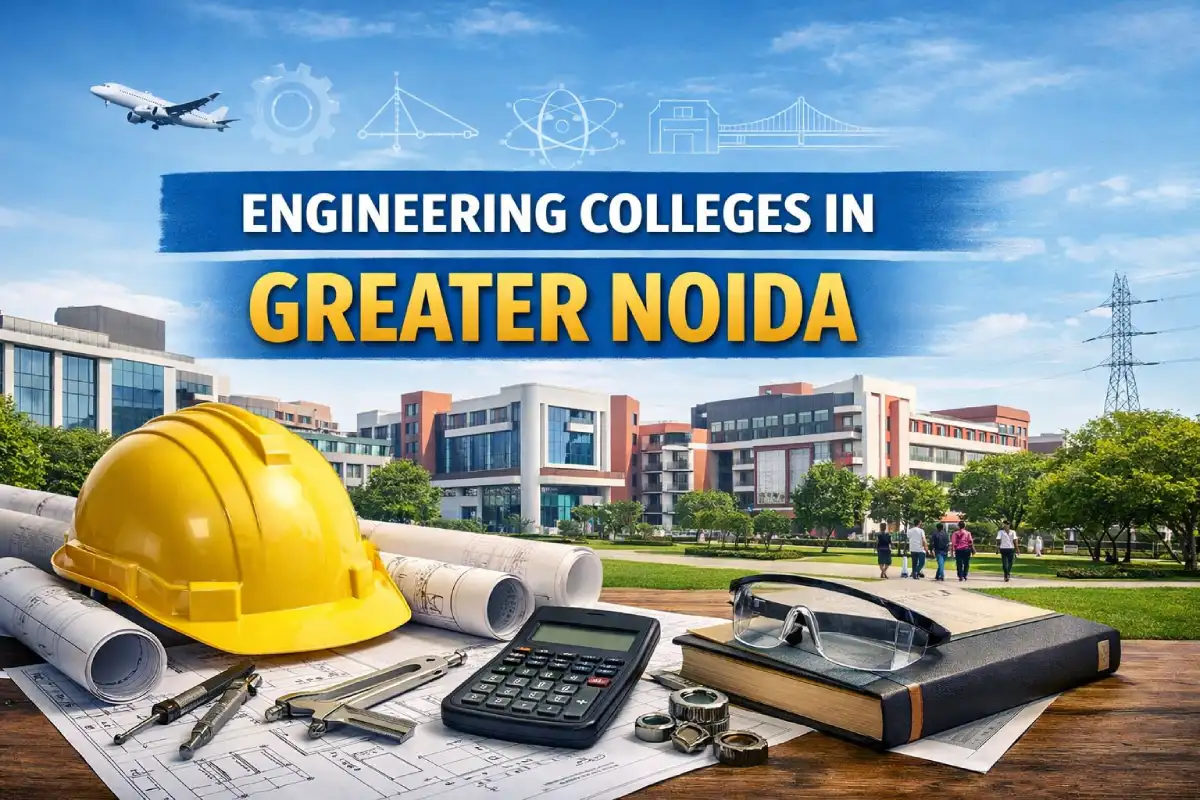
Engineering and Technology: B.Tech is an undergraduate engineering qualification that combines mathematics, scientific principles, technical subjects, laboratory sessions and project work. Engineering students develop the ability to analyse technical problems, understand systems and apply classroom concepts to practical situations. The institute’s course listings include computer science and engineering, civil engineering, electrical engineering, electronics and communication engineering, and mechanical engineering-related options. Applicants should verify the current branch list and seat availability before selecting a course.
Computer Science and Engineering: Computer science education focuses on programming, data structures, algorithms, databases, operating systems, computer networks and software development concepts, according to the curriculum. Students interested in software and IT careers should develop practical coding skills, complete technical projects and practise solving programming problems alongside their formal coursework.
Civil Engineering: Civil engineering involves the planning, design, construction and maintenance of infrastructure. Relevant academic areas can include construction materials, surveying, structural concepts, transportation, environmental engineering and construction management. Practical exposure, technical drawing and laboratory work are important considerations when assessing a civil engineering programme.
Electrical Engineering: Electrical engineering introduces students to electrical circuits, machines, power systems, measurements and related technical concepts. Laboratory exercises help students understand how electrical principles are applied in equipment, installations and industrial systems.
Electronics and Communication Engineering: This branch covers electronic circuits, communication systems, signals, digital electronics and related subjects. Students should examine the practical laboratory facilities, equipment access and project opportunities available for their chosen specialisation.
Mechanical Engineering: Mechanical engineering focuses on machine design, manufacturing, mechanics, materials, thermal systems and related technical disciplines. Workshops, practical assignments, engineering drawing and project work can help students connect theoretical concepts with industrial applications.
Diploma and Technical Education
The institute is listed with diploma programmes for students entering after Class 10. A technical diploma can provide a route into practical engineering education and may support entry-level technical employment or further study, subject to the relevant eligibility and admission rules. Applicants should check the exact diploma branch, duration, approved intake and whether lateral entry into a degree programme is possible under the applicable regulations.
Management Education
MBA/PGDM is listed among the institute’s programmes. Management education generally covers business administration, finance, marketing, human resources, operations, organisational behaviour and decision-making. Students should check the current course title, duration, specialisations, admission route and degree-awarding arrangement before applying.
Affiliation and Academic Recognition
Institutional and course listings associate the institute with Dr. A.P.J. Abdul Kalam Technical University (AKTU) and Chaudhary Charan Singh University (CCSU) for relevant programmes. Applicants should verify the exact university affiliation, degree-awarding institution and applicable approval for their chosen course and admission year. An affiliation associated with one programme should not automatically be assumed to cover every programme.
Campus Facilities and Academic Resources
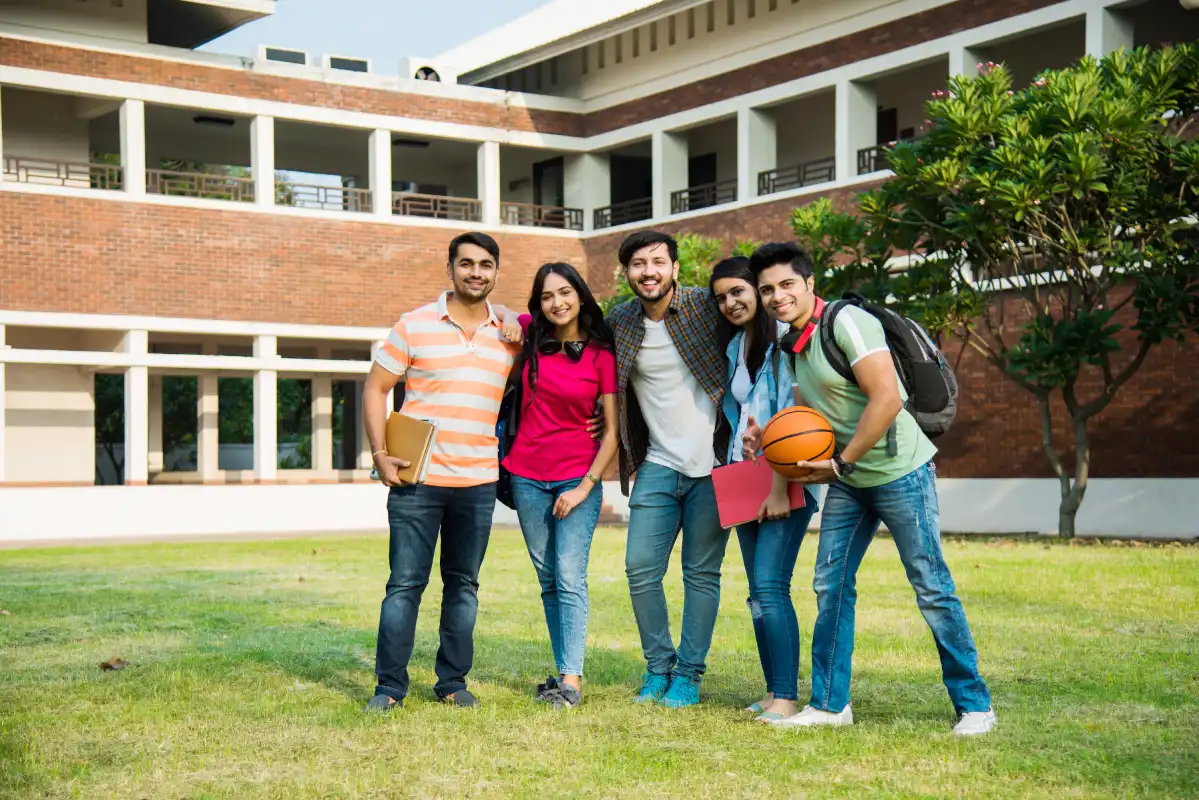
Students should review the availability of classrooms, computer laboratories, engineering laboratories, workshops, library resources, internet access and practical training facilities. Engineering programmes require access to appropriate equipment and supervised practical work, while management programmes benefit from presentation facilities, case-based learning and access to current business resources.
Applicants should ask the institute about laboratory schedules, practical sessions, project support, faculty availability, technical events and student services. A campus visit can help candidates assess the actual condition and accessibility of the facilities relevant to their course.
Learning Approach and Student Development
Technical and professional education requires more than classroom attendance. Students need to develop analytical thinking, communication, teamwork, problem-solving and the ability to apply subject knowledge. Practical assignments, projects, internships and workshops can contribute to this development when they are available and appropriately integrated into the course.
Computer science students can strengthen their learning through programming and software projects. Civil and mechanical engineering students can focus on design, practical measurements and technical problem-solving. Electrical and electronics students should seek hands-on learning opportunities related to circuits, systems and equipment. Management students can develop business communication, analytical and presentation skills through case studies and group projects.
Placement and Career Preparation
The institute describes placement support as part of its educational offering. Students should examine the latest placement report for the exact programme and graduating batch, including the number of eligible students, number placed, salary distribution, employers, job roles and internship opportunities. The relevance of recruitment opportunities to a student’s chosen specialisation is as important as the highest package advertised.
Location and Student Convenience
The Masuri campus is located along the Delhi–Meerut Expressway in Ghaziabad. Students should consider their home location, transport options, daily travel time and total commuting expenses. Those travelling from outside the area should independently confirm hostel availability, accommodation costs, meal arrangements and campus access.
Who Should Consider BITS?
Bhagwati Institute of Technology & Science may be considered by students exploring engineering, technical diploma and management programmes in the Ghaziabad region. It may be particularly relevant to candidates comparing private technical institutions along the Delhi–Meerut corridor. Applicants should verify the exact campus, programme, affiliation, fees, facilities and recent outcomes before enrolling.
Important Points Before Admission
Candidates should compare the complete fee structure, academic curriculum, faculty qualifications, laboratory resources, university affiliation, practical training, placement performance and total cost of attendance. Confirm whether the desired programme is available for the current session and whether its degree or diploma meets the requirements for the student’s intended career or further study.
A suitable college choice should be based on the quality and relevance of the programme, the student’s budget, practical learning opportunities and verified academic information rather than on the institution’s name or a single advertised placement statistic.










































Total Reviews (0)
No reviews found.