

Top 10 Career Options After BCom: Jobs and Scope
September 07, 2026
Khandari, Paliwal Park Road, Agra, UP - 282004 | University | Estd 1927
(Reviews)

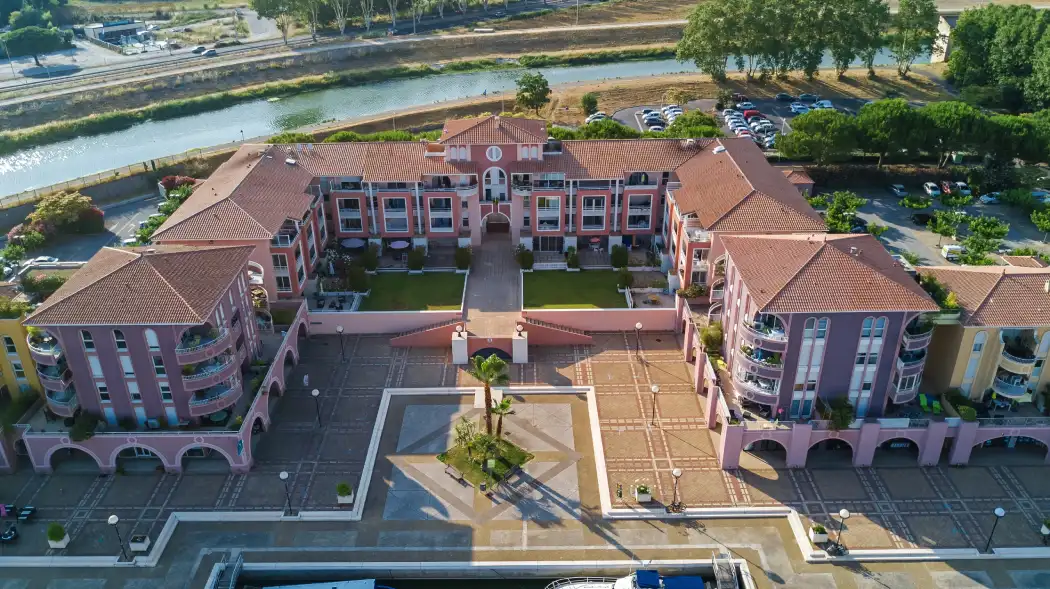
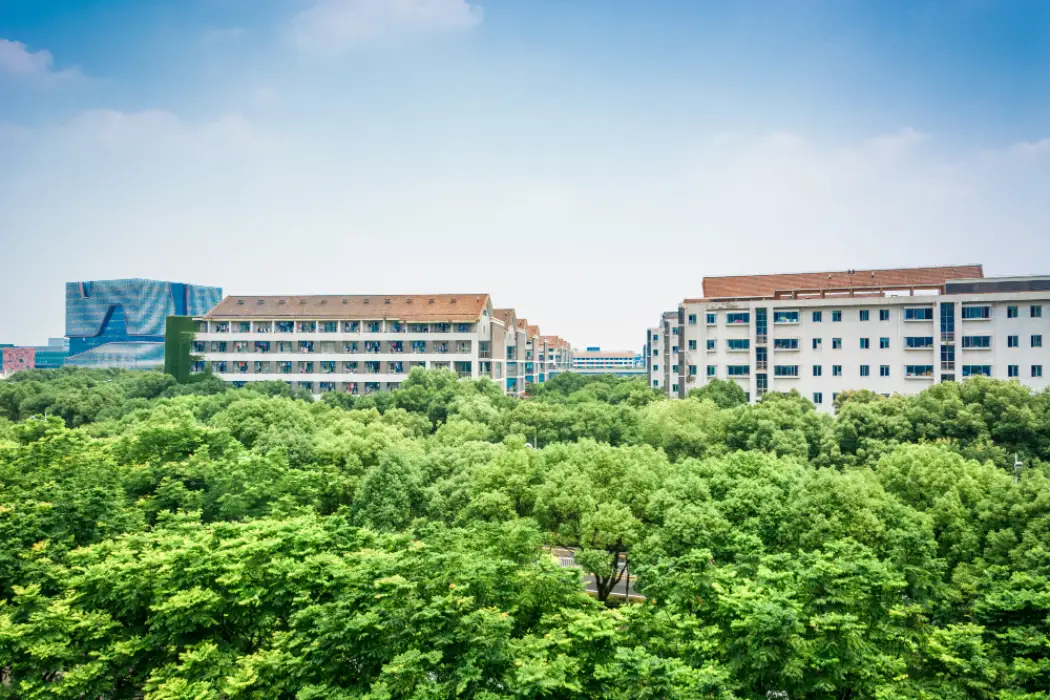
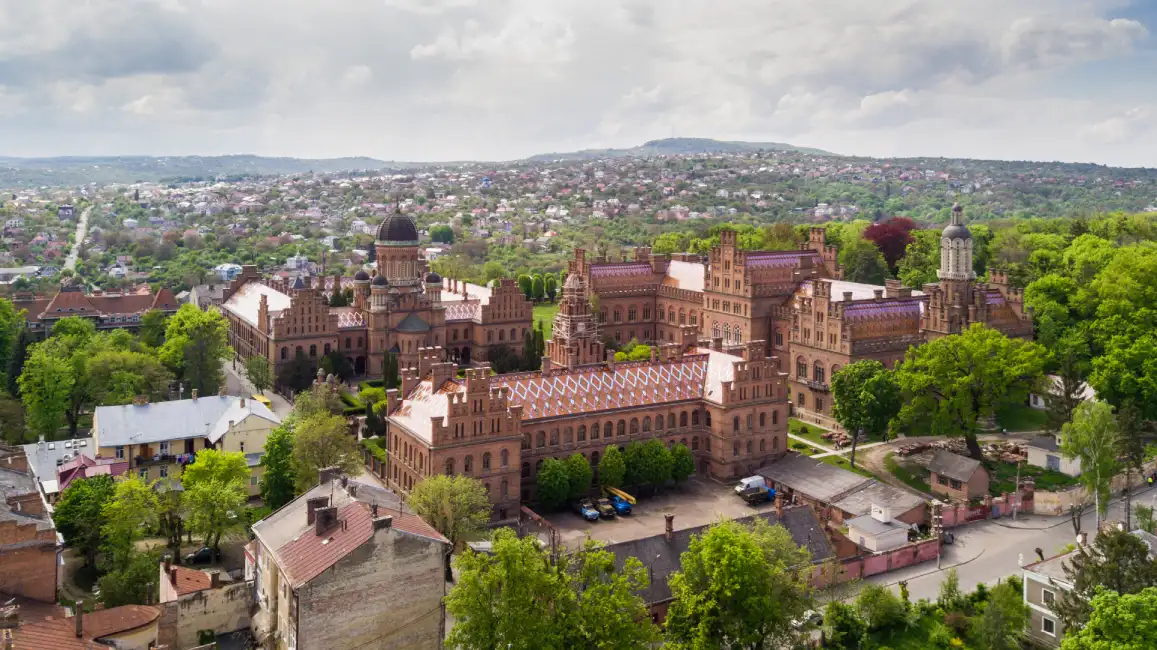
The Khandari Campus is one of the primary academic hubs of Dr. Bhimrao Ambedkar University (formerly known as Agra University), a historic state university established in 1927. Located in the heart of Agra, Uttar Pradesh, the Khandari Campus functions as the residential center for the university's technical, management, vocations, and scientific disciplines.
The campus is recognized under NAAC Grade A+ frameworks and acts as a central location hosting several critical constituent schools:
Institute of Engineering & Technology (IET)
Seth Padam Chand Jain (SPCJ) Institute of Commerce, Business Management & Economics
Dau Dayal Institute of Vocational Education
Institute of Basic Science & School of Life Sciences
The residential departments at the Khandari Campus provide highly subsidized professional, engineering, and undergraduate programs. The structural academic costs reflect state-government university limits.
| Program Profile | Standard Duration | Average Total Tuition Fee Range |
| B.E. / B.Tech (CSE, ECE, ME, EE, Civil) | 4 Years | ₹1,65,000 – ₹2,80,000 |
| MBA / PGDM (Core Specialties) | 2 Years | ₹15,350 – ₹1,51,000 |
| MCA (Computer Applications) | 2 Years | ₹72,365 |
| BBA (Bachelor of Business Administration) | 3 Years | ₹22,300 – ₹3,75,000 |
| BCA (Bachelor of Computer Applications) | 3 Years | Subsidized Base (Contact Campus) |
| M.Sc. (Basic / Life Sciences) | 2 Years | ₹40,000 – ₹43,870 |
| PGDCA / PG Diploma | 1 Year | ₹15,000 |
(Note: State examination quotas and enrollment registrations demand supplementary periodic fees collected by the centralized treasury of DBRAU during semester cycles).
The admission cycle for the 2026-27 academic calendar aligns tightly with national entrance parameters and state-central counseling structures:
Step 1: Entrance Manifestation:
Engineering (B.Tech / B.E.) aspirants must clear the JEE Main or relevant baseline state entrance examinations.
Postgraduate Streams (MBA, MCA) utilize central screening scorecards like CAT, MAT, CMAT, or CUET PG.
Undergraduate Brackets (BBA, BCA, B.Sc) select pools using CUET UG or the university's customized academic merit criteria.
Step 2: Counselling Manifestation (UPTAC): For core technical tracks (B.Tech) and select PG courses, matching scores require mandatory choice registration through UPTAC (Uttar Pradesh Technical Admission Counseling) windows to distribute the government seat quotas.
Step 3: Document Auditing & Enrollment Verification: Once allocated or verified on the institutional selection list, candidates must present original high school credentials, entrance rankings, category status records, and physical validation fees directly at the respective institute offices in the Khandari Campus.
Cutoffs follow the state government distribution allocations published across counseling iterations by UPTAC:
B.Tech / B.E. Specialization Cutoffs (via UPTAC — General All India Category Closing Ranks):
Computer Science and Engineering (CSE): Highly demanded; ranks historical range closure spans around 391,190 to 1,265,121.
Electronics & Communication Engineering (ECE): Closes around 690,231 to 896,039.
Mechanical Engineering: Traditionally moves up to 447,024 in late iterations.
Civil / Electrical Engineering: Moderate constraints; cutoffs extend widely up to 1,300,625 (Civil) and 2,017,774 (Electrical).
Non-Engineering Batches: Entry requires satisfying basic board scores ($\ge 50\%$ aggregate parameters in 10+2 standard boundaries) or clearance within normal functional thresholds of the targeted national eligibility lists.
The Khandari Campus leverages its historical network via a central training coordination platform. While traditional science fields favor post-graduation and academic avenues, professional engineering and management tracks exhibit functional market readiness.
Placement Rates and Track Record: The general job placement dynamic tracks closely to a standard index of 50% across core corporate alignments.
Package Benchmarking: The campus logs a peak highest package of ₹7.00 LPA. The overall institutional median and average salary packages track stably between ₹2.00 LPA and ₹3.30 LPA.
Corporate Footprint: Typical regional tech and financial firms, alongside local industrial production plants, engage the graduating batches, including regional banking channels and software contracting services.



























![NEET Re-Exam Dates 2026 [Updated]](https://www.collegedakhla.com/uploads/blogs/NEET_Re-Exam_Dates_2026_Updated.png)

![B.Tech Fees in Private Colleges - [Updated List]](https://www.collegedakhla.com/uploads/blogs/B.Tech_Fees_in_Private_Colleges.png)
![Top 5 Universities in India - [Updated List 2026]](https://www.collegedakhla.com/uploads/blogs/Top_5_Universities_in_India.png)
































1.webp)






Total Reviews (0)
No reviews found.