

Top 10 Career Options After BCom: Jobs and Scope
September 07, 2026
Gurugram | College | Estd 2008
(Reviews)

Global Institute of Technology & Management (GITM) is a private higher education institution situated in Farrukhnagar, Gurugram, Haryana. Established in 2008, the institute offers undergraduate and postgraduate programmes in engineering, technology, pharmacy, management and computer applications. It is affiliated with Gurugram University, Gurugram, and is located within the wider Delhi National Capital Region (NCR), a region known for its technology companies, manufacturing units, corporate offices, business services, pharmaceutical organisations and industrial activity. The institute's academic offering is intended to provide students with a combination of theoretical instruction, practical learning, project work, professional development and career preparation.
Institutional Background and Academic Environment
GITM serves students who want to pursue technical, professional and management-oriented education after Class 12 or graduation. Its programmes cover multiple career pathways, including software and information technology, engineering design, construction and infrastructure, manufacturing, pharmaceutical sciences, business administration, computer applications and postgraduate technical education. Students can select a course according to their academic background, eligibility, interests, preferred career sector and budget.
The institute's academic environment includes classroom teaching, laboratory activities, practical assignments, presentations, project work and student-development activities. The exact facilities, academic structure, intake and specialisations available should be checked against the current programme information for the relevant admission year.
Engineering and Technology Programmes
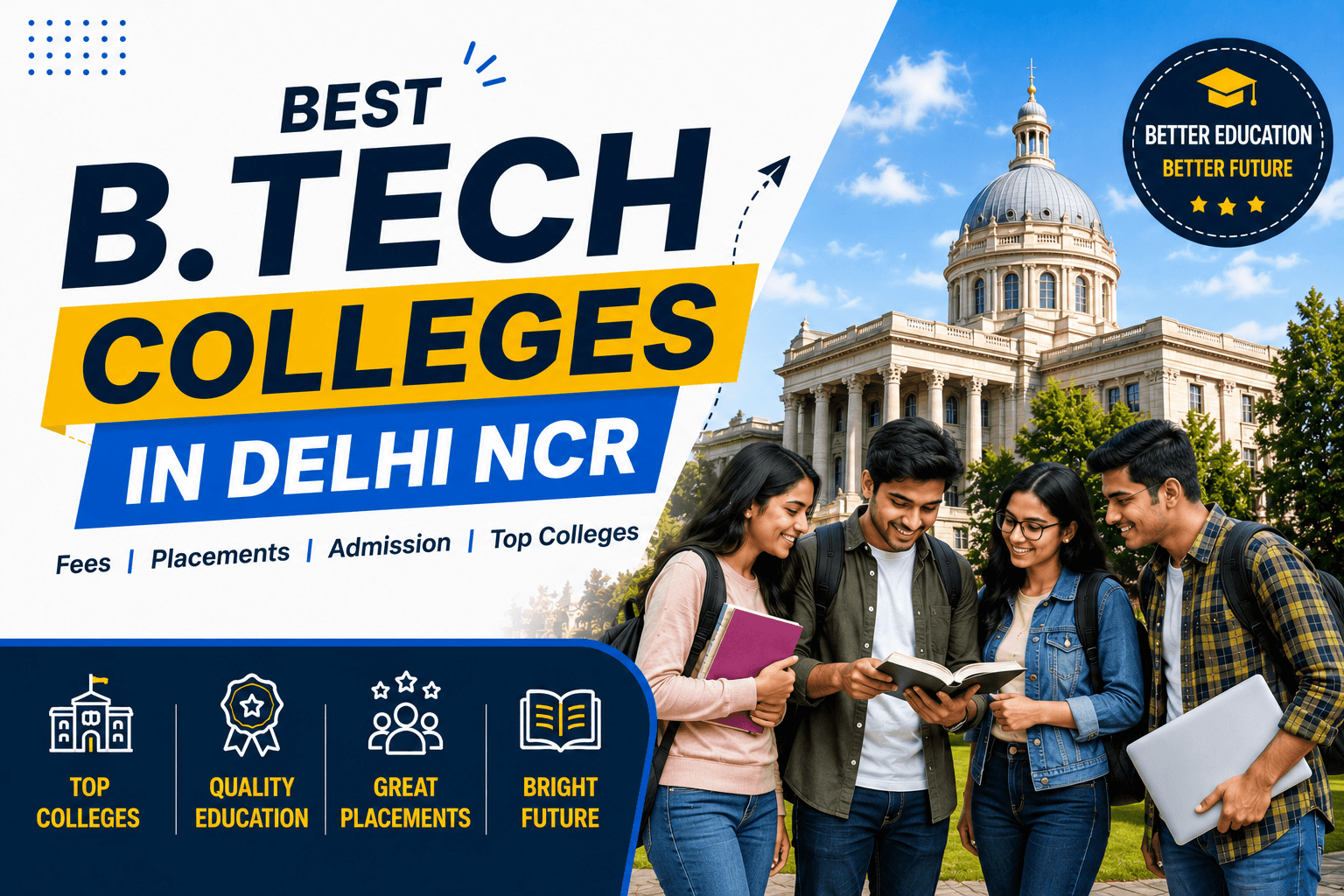
Engineering is one of the major study areas at GITM. The B.Tech programme is generally offered over four years and may include specialisations such as Computer Science and Engineering, Artificial Intelligence and Machine Learning, Artificial Intelligence and Data Science, Electronics and Communication Engineering, Civil Engineering and Mechanical Engineering. Availability can vary by academic session.
Computer Science and AI-related programmes are suitable for students interested in programming, software development, algorithms, databases, computer systems, data processing and emerging digital technologies. Electronics and Communication Engineering focuses on electronic systems, communication technologies, circuit concepts and related technical applications. Civil Engineering introduces students to construction, structural concepts, infrastructure, surveying and project-related subjects. Mechanical Engineering focuses on machines, manufacturing, design, materials and production processes.
Engineering education requires students to develop mathematical understanding, analytical reasoning, technical accuracy, teamwork and the ability to apply concepts to practical problems. Laboratory exercises, engineering drawings, programming assignments, technical projects and presentations can help students connect theoretical learning with professional applications.
Pharmacy and Pharmaceutical Education
GITM also offers pharmacy-related programmes, including B.Pharm and D.Pharm, subject to the current approved academic offering. B.Pharm is generally a four-year undergraduate degree, while D.Pharm is generally a two-year diploma. Pharmacy education covers areas such as pharmaceutical chemistry, pharmaceutics, pharmacology, medicines, dosage forms, dispensing and related pharmaceutical subjects.
Students considering pharmacy should verify the applicable Pharmacy Council of India approval, programme intake, eligibility requirements and professional registration conditions. Practical laboratory training and an understanding of medicines, safety, dosage, quality and pharmaceutical processes are important elements of pharmacy education.
Management and Business Administration
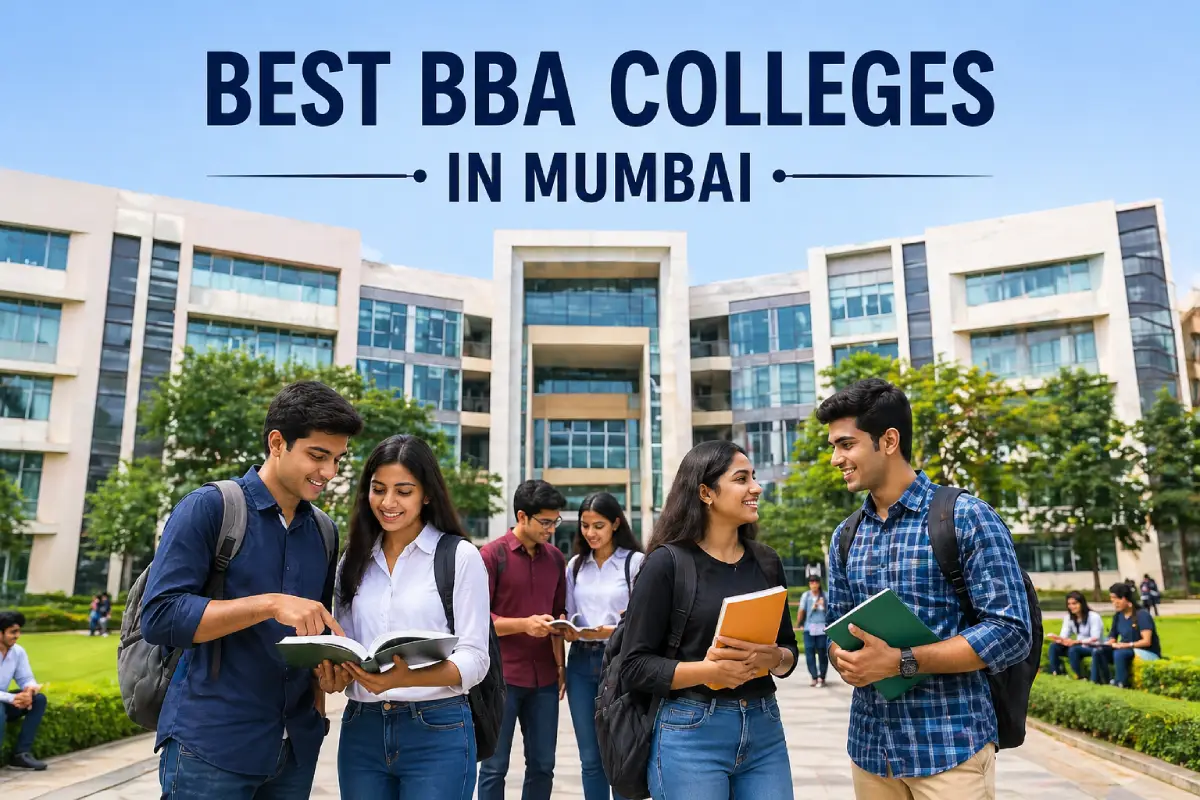
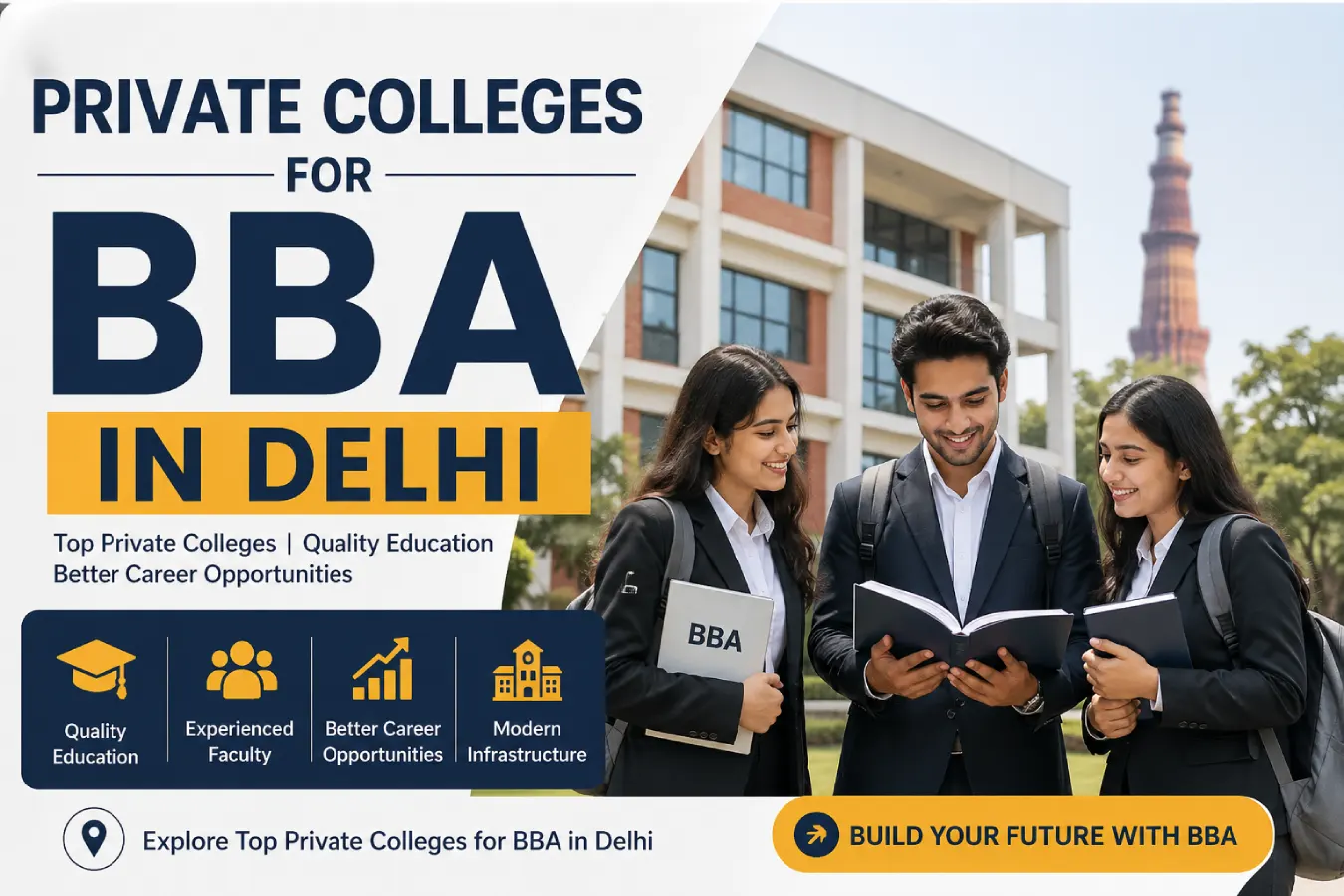
The institute's management-related courses include BBA and MBA. These programmes are intended for students interested in business administration, marketing, human resources, finance, sales, operations, entrepreneurship and organisational management. Students may study business communication, management principles, marketing concepts, accounting, organisational behaviour and other subjects according to their curriculum.
Case studies, presentations, group assignments, market analysis and business projects can help students develop decision-making, communication, leadership and teamwork skills. Those interested in management careers should also consider internships, practical business exposure and the development of analytical and interpersonal abilities.
Computer Applications and Digital Skills
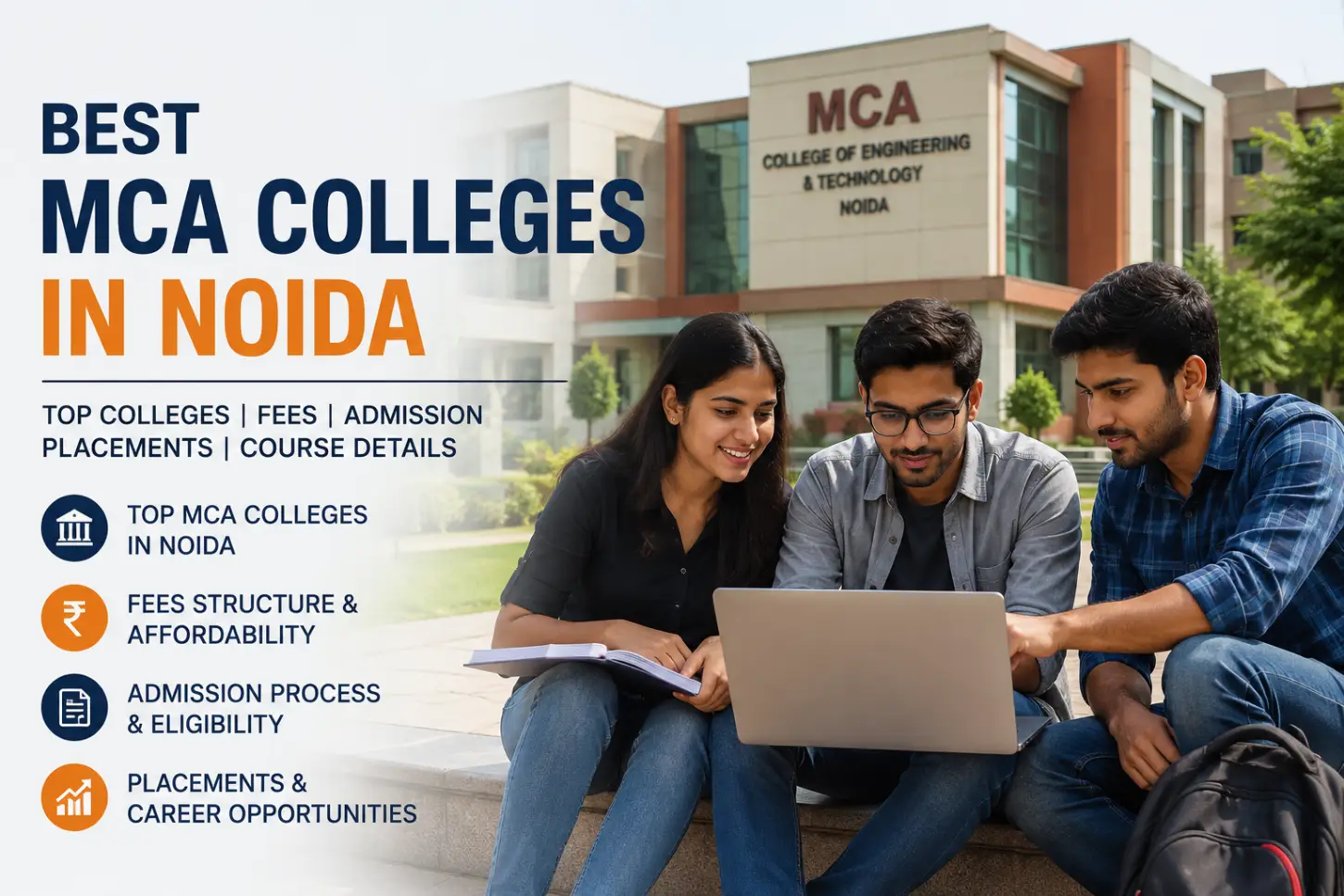
BCA and MCA provide pathways into computer applications and information technology. These programmes may cover programming, databases, software development, computer systems, application design and other computing subjects according to the applicable curriculum. Students can strengthen their learning by building practical projects, learning current programming tools, developing a portfolio and gaining internship experience.
Computer applications graduates may explore software development, web applications, application support, software testing, IT services and other technology-related positions. Employment outcomes depend on practical ability, academic performance, communication and employer requirements.
Postgraduate Technical Education
M.Tech programmes may be available in relevant engineering specialisations, including Computer Science and Engineering and Electronics and Communication Engineering, subject to the current course offering. Postgraduate technical study allows eligible students to develop more specialised knowledge, undertake advanced projects and explore technical or research-oriented career pathways.
Campus Infrastructure and Student Facilities
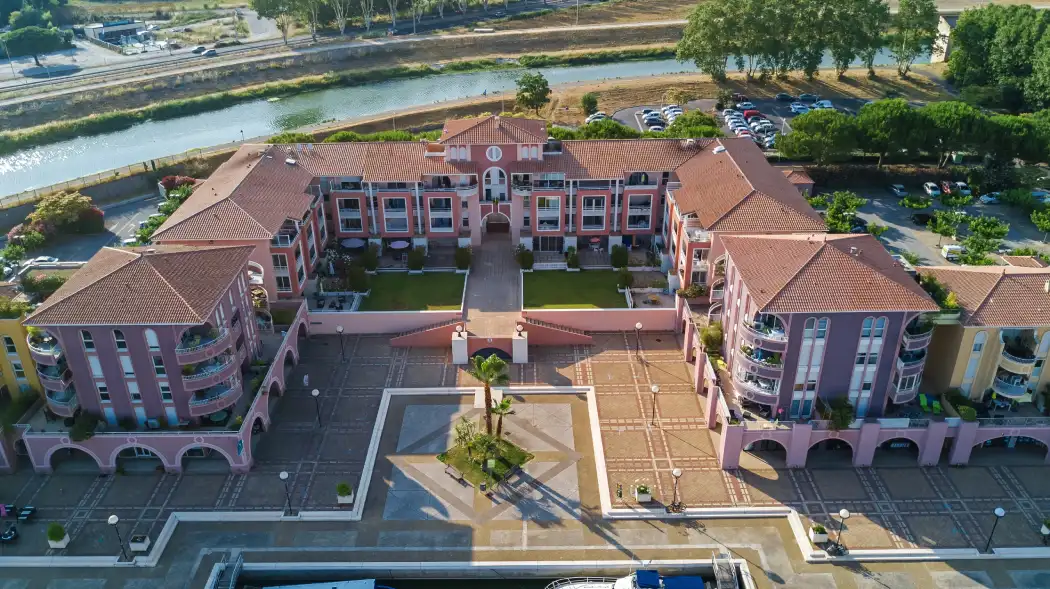
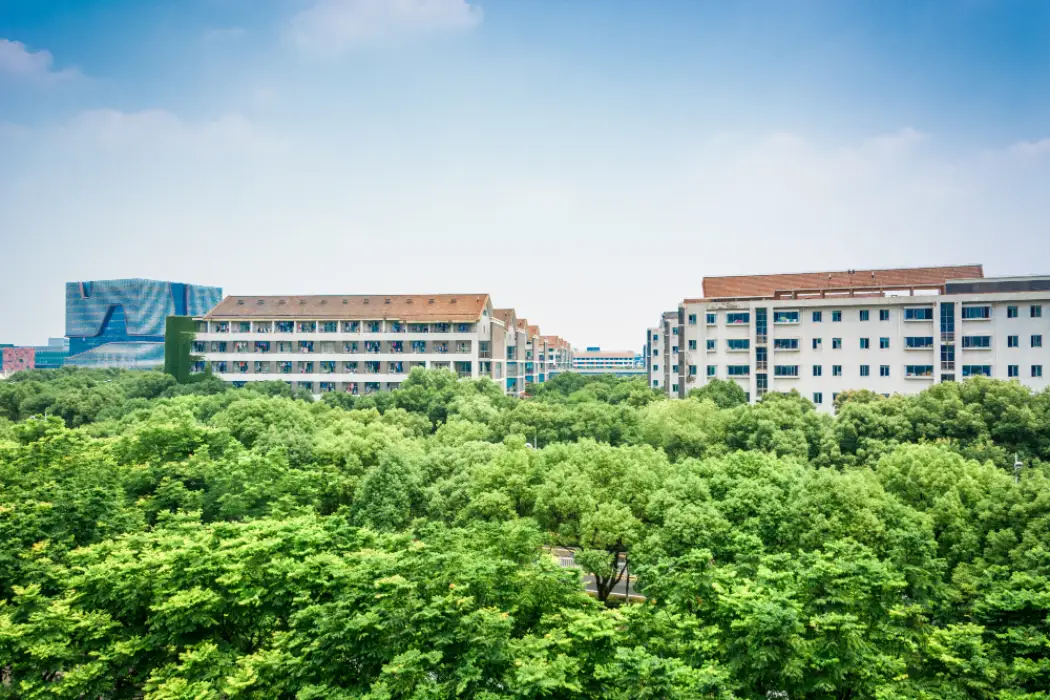
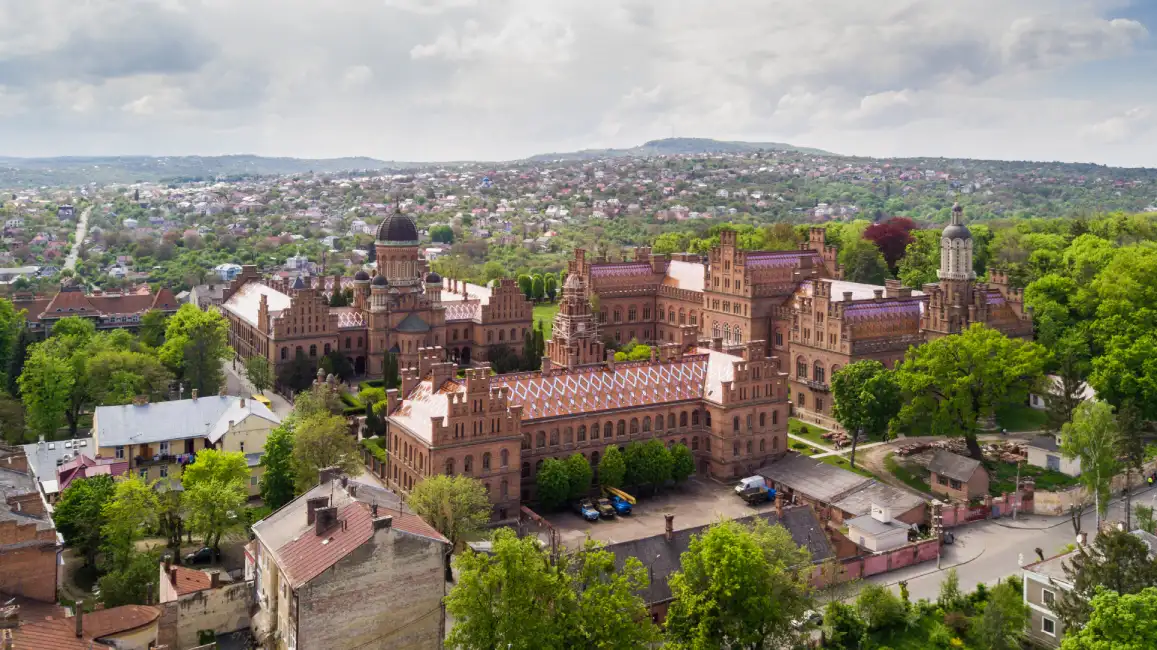
The campus is described as having academic infrastructure and facilities intended to support classroom learning, laboratory practice, student activities and residential life. Facilities reported for the institute include laboratories, library resources, computer facilities, academic spaces and hostel accommodation. Students should confirm the availability and condition of the specific facilities relevant to their department, including engineering workshops, pharmacy laboratories, internet access, library resources, safety provisions and hostel arrangements.
Location and Regional Exposure
GITM is located in Farrukhnagar, Gurugram, Haryana. Its position within the Delhi NCR region may provide access to a broad employment environment involving IT services, engineering, manufacturing, logistics, pharmaceuticals, consulting, retail and corporate business operations. Students may explore internships, industrial exposure, professional events and job opportunities in the region, depending on the course, their eligibility and the opportunities available at the time.
Student Development and Career Readiness
Students can strengthen their academic and professional profiles through subject learning, practical assignments, technical projects, communication exercises, internships, certifications, presentations and participation in relevant extracurricular activities. Engineering students may benefit from coding projects, design work, technical competitions and industry-related learning. Management students may develop their profiles through case studies, presentations, internships and business projects. Pharmacy students should focus on laboratory practice, pharmaceutical knowledge and the professional requirements relevant to their intended careers.
Who Should Consider GITM?
GITM may be considered by students seeking a private institution in the Gurugram region for engineering, pharmacy, business administration or computer applications. Before making an admission decision, applicants should compare the course curriculum, university affiliation, regulatory approvals, faculty profile, practical facilities, total tuition fees, hostel and mess charges, scholarships, placement data and career outcomes for the particular programme.
A careful comparison of these factors helps students choose a course that matches their academic interests, financial resources and professional objectives. Students should rely on the current programme-specific information when making a final decision, as course availability, fees, facilities and admission requirements can change from one academic session to another.








































Total Reviews (0)
No reviews found.