

Top 10 Career Options After BCom: Jobs and Scope
September 07, 2026
Ghaziabad | University | Estd 2004
(Reviews)

The Indian Institute of Mass Communication (IIMC), established on August 17, 1965, is a premier "Deemed to be University" under the Ministry of Information and Broadcasting, Government of India. The institute’s vision is to set global standards for media education, research, and training to build a knowledge-driven information society. Its primary goal is to provide a holistic and multidisciplinary learning environment that prepares students and communication practitioners to meet the challenges of an ever-evolving global media landscape. IIMC is dedicated to serving society through world-class teaching and training that promotes participatory democracy and human empowerment.
Originally established to train officers of the Indian Information Service (IIS), the institute has evolved into an international center for excellence. It fosters a dynamic learning environment that nurtures creativity, research, and leadership in the domain of mass communication.
Key Details:
Ranking: Consistently ranked as the #1 Mass Communication institute in India by India Today (2025) and The Week (2025).
Accreditation: Recognized as a Deemed to be University under the "distinct category" by the Ministry of Education (January 2024).
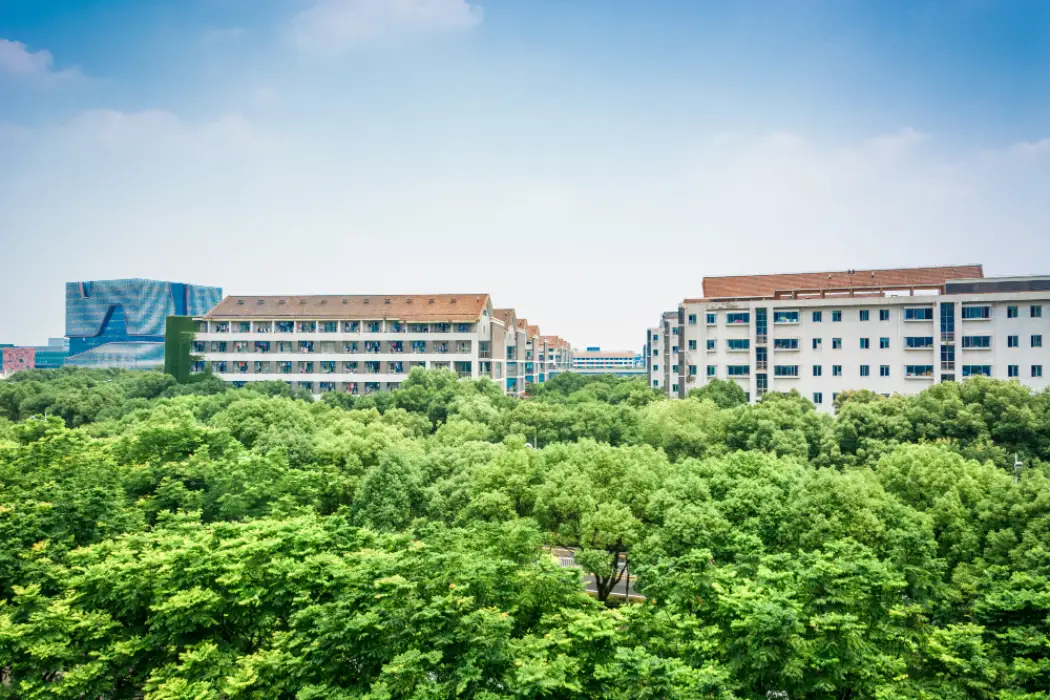
Campus: Headquartered in New Delhi, with five regional centers in Dhenkanal (Odisha), Aizawl (Mizoram), Amravati (Maharashtra), Jammu (J&K), and Kottayam (Kerala).
Facilities: Features digital studios, advanced computer labs, a specialized library (Pandit Madan Mohan Malviya Library), and Asia's first dedicated Communication Research Department.
Programs: Offers specialized MA degree programs in Media Business Studies and Strategic Communication, alongside various PG Diploma courses in English, Hindi, and regional language journalism.
The Indian Institute of Mass Communication (IIMC) offers a rigorous academic curriculum designed to meet the evolving demands of the global media landscape. As a recently designated Deemed to be University, its programs have shifted towards a more integrated and multidisciplinary learning approach, blending core journalistic principles with contemporary digital strategies. The teaching methodology emphasizes a research-led style, encouraging students to critically analyze the socio-cultural and economic impacts of communication while developing high-level professional skills in media business and strategic messaging.
IIMC’s pedagogy is characterized by a balance of theoretical grounding and intensive practical training. The curriculum is regularly updated to include emerging areas such as New Media Communications and Digital Media, ensuring that graduates are prepared for diverse careers in journalism, advertising, and corporate communication. By fostering a dynamic learning environment that nurtures creativity and innovation, the institute empowers students to bridge the gap between academia and industry, translating local narratives into global media formats.
| Course | Specializations | Eligibility |
| MA | Media Business Studies, Strategic Communication, New Media Communications | Graduation |
| PG Diploma | English Journalism, Hindi Journalism, Radio & TV Journalism, Advertising & Public Relations | Graduation |
| PG Diploma | Digital Media, Corporate Communication & Brand Management | Graduation |
| PG Diploma | Odia Journalism, Marathi Journalism, Malayalam Journalism, Urdu Journalism | Graduation |
| Ph.D. | Journalism & Mass Communication | Post-Graduation |
The Indian Institute of Mass Communication focuses on equipping students with professional skills to excel in the competitive media industry. The institute maintains strong ties with premier news agencies, digital platforms, and corporate houses. This reputation ensures that students are highly sought after for roles in journalism, advertising, and public relations. The training emphasizes practical industry readiness and ethical communication standards.
Key Details:
Prominent Recruiters: PTI, ANI, Reuters, Zee News, Network 18, Indian Express, and various government departments.
Academic: 3/5
Faculty: 3/5
Infrastructure: 3/5
Accommodation: 3/5
Social Life: 3/5
Placement: 3/5
The Indian Institute of Mass Communication provides financial assistance to ensure that economic constraints do not hinder deserving students. The institute offers "Freeships" based on merit-cum-means criteria, alongside several endowment scholarships funded by various organizations to reward academic excellence in specific journalism and communication disciplines.
Named Scholarship Programs:
IIMC Freeship: This merit-cum-means based assistance is available for students across different PG Diploma courses, where the committee decides the number of recipients and the waiver amount based on family income and academic performance.
Rati Aggarwal Scholarship: This award is specifically for a female student of the Hindi Journalism course based on her performance in the entrance examination.
Star TV Scholarship: This scholarship is awarded to a meritorious student of the Radio & TV Journalism course based on their performance in the first semester.
Achyutananda Das Memorial Scholarship: This prize is reserved for a student of the Odia Journalism course who secures the highest marks in the first semester.
Jaswinder Singh Memorial Scholarship: This award is given to a student from any of the journalism courses based on a combination of academic merit and financial need.
Faculty & Research Profiles
The faculty at the Indian Institute of Mass Communication (IIMC) consists of a distinguished group of academic professionals and veteran journalists who bring a wealth of industry experience and academic rigor to the classroom. Many faculty members are highly qualified, holding PhDs and specialized certifications from prestigious national and international institutions. They maintain a dual focus on providing world-class teaching and conducting cutting-edge research in evolving media landscapes, including digital literacy, science communication, and media business strategies.
Key Details:
Faculty Strength: The institute is supported by a robust academic team across its six campuses, including numerous permanent Professors, Associate Professors, and Assistant Professors, many of whom are PhD holders.
Research Focus: Major research areas center on the Social Sciences and Humanities, specifically focusing on New Media, Development Communication, Media Management, Fact-Checking, and Science Communication.
Global Background: Several faculty members are international scholars, such as SUSI Scholars (Study of the United States Institutes), and serve as ambassadors for global communication associations like IAMCR and SACA.
Student-Faculty Ratio: While the specific numerical ratio is not stated on the main faculty page, the institute maintains small, specialized batches to ensure personalized mentorship and intensive training.
Notable Faculty Examples:
Prof. (Dr.) Surbhi Dahiya - Department of Media Business Studies: A PhD holder and SUSI Scholar specializing in Media Management, specialized reporting, and emerging digital technologies.
Prof. (Dr.) Anubhuti Yadav - Department of New Media: A PhD holder and Google-certified Factchecker specializing in Media Literacy, Digital Marketing, and Social Media Management.
Prof. (Dr.) S. Anil Kumar Vadavathoor - Science Communication: A veteran journalist and author with a PhD, recognized nationally for his extensive contributions to science and environmental journalism.
Prof. (Dr.) Mrinal Chatterjee - Journalism: Regional Director and D. Litt. holder with expertise in print media history, fiction, and mass communication pedagogy.
Prof. (Dr.) Shashwati Goswami - Radio & TV Journalism: A senior academician focusing on broadcast media, regional journalism, and communication research.
Physical Amenities
Room Specifications: Single occupancy, twin sharing, and triple sharing rooms; dormitory options with multiple sharing; spacious and ventilated units.
Safety Features: Resident wardens; gated complex; hostel gates closed between 11:00 PM and 6:00 AM; boundary walls with fencing.
Utility Services: Wi-Fi connectivity; laundry services; mess facility providing meals and evening tea; bank and ATM within premises; health center with first aid.
Building Features: Power backup; common rooms with television; dining halls; medical rooms; garden areas.
Visual Identification
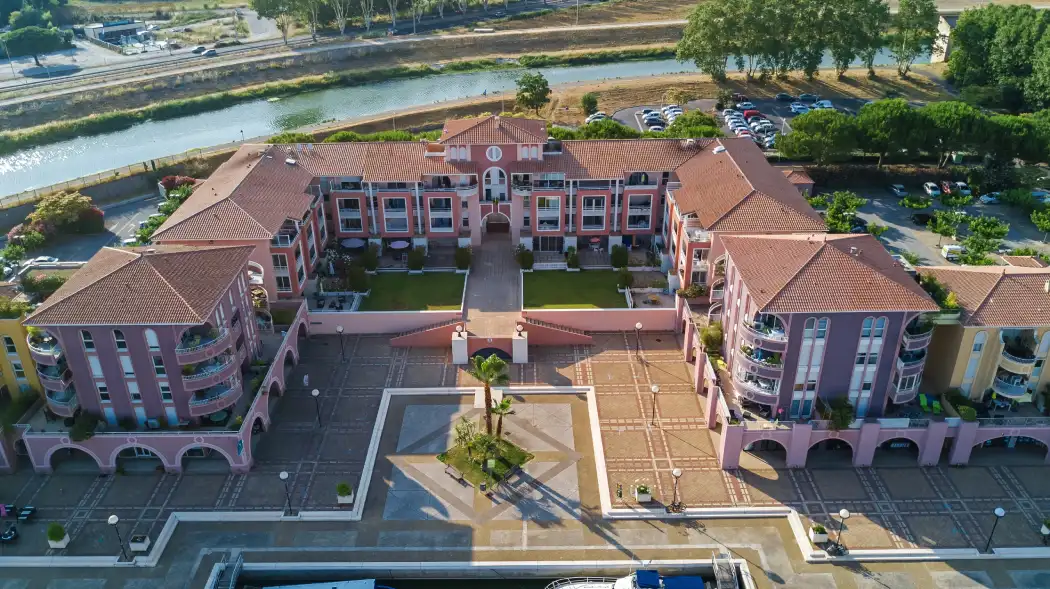
Rani Gaidinliu Hostel (Girls)
Baba Sahib Dr. Bhim Rao Ambedkar Hostel (Boys)
Pandit Madan Mohan Malviya Library
Manch (Auditorium)
Digital Studios and Media Labs
Open-air Gym (Regional)
Yoga Hall (Regional)
The Indian Institute of Mass Communication (IIMC) maintains a diversified fee structure across its postgraduate degree and diploma programs, reflecting its transition to a Deemed to be University. The structure is composed of several elements, including tuition fees, a refundable library fee, students’ welfare funds, and development charges. Fees are generally payable in installments, with specific schedules for each semester to support students in managing their academic investments throughout the duration of their programs.
For specialized programs like the MA in New Media Communications and Digital Media, the fees are notably higher to account for the technical resources and laboratory facilities required. Conversely, regional language journalism programs are priced more accessibly to encourage linguistic diversity in media. The institute also provides a clear refund policy in accordance with UGC guidelines and offers various "Freeships" or scholarships to assist meritorious students from economically weaker sections.
| Course | Specializations | Fees |
| MA | Media Business Studies | 2.82 Lakhs |
| MA | Strategic Communication | 2.82 Lakhs |
| MA | New Media Communications | 3.42 Lakhs |
| PG Diploma | Digital Media | 2.08 Lakhs |
| PG Diploma | Radio & TV Journalism | 1.68 Lakhs |
| PG Diploma | Advertising & Public Relations | 1.31 Lakhs |
| PG Diploma | English Journalism | 95,500 |
| PG Diploma | Hindi Journalism | 95,500 |
| PG Diploma | Journalism (Odia/Marathi/Malayalam/Urdu) | 55,500 |
| Ph.D. | Journalism & Mass Communication | 2.11 Lakhs |














![NEET Re-Exam Dates 2026 [Updated]](https://www.collegedakhla.com/uploads/blogs/NEET_Re-Exam_Dates_2026_Updated.png)
![B.Tech Fees in Private Colleges - [Updated List]](https://www.collegedakhla.com/uploads/blogs/B.Tech_Fees_in_Private_Colleges.png)
![Top 5 Universities in India - [Updated List 2026]](https://www.collegedakhla.com/uploads/blogs/Top_5_Universities_in_India.png)




















1.webp)





Total Reviews (0)
No reviews found.