

Top 10 Career Options After BCom: Jobs and Scope
September 07, 2026

Meerut, Uttar Pradesh | College | Estd 2007
(Reviews)

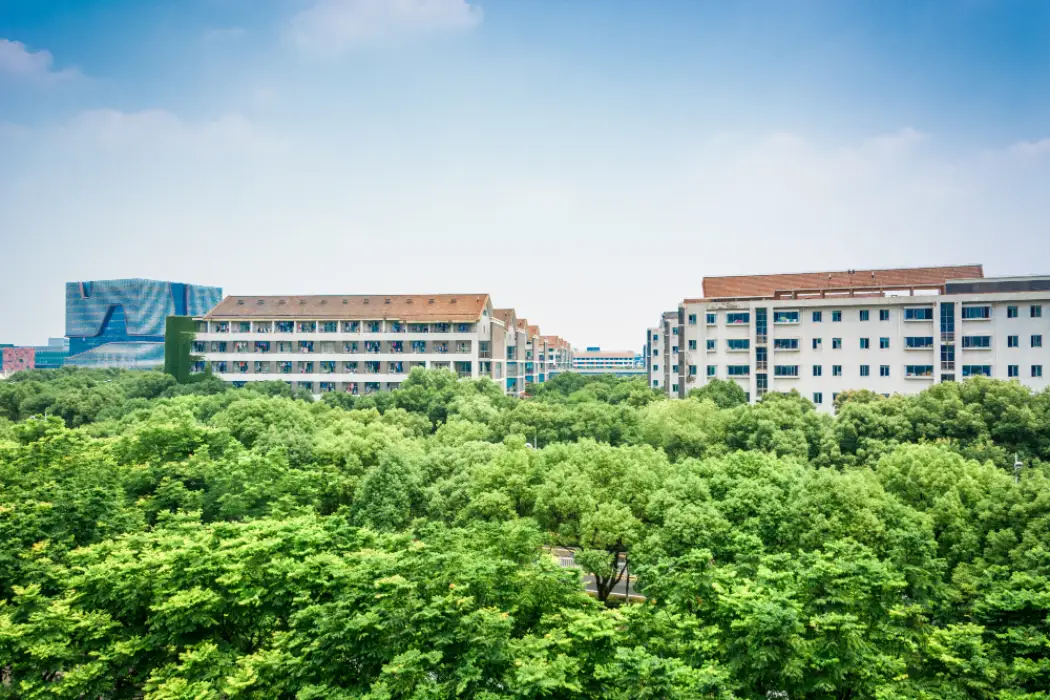
JP Institute of Engineering & Technology (JPIET) is a private technical and professional education institute situated on Mawana Road in the Rajpura area of Meerut, Uttar Pradesh. Established in 2007, the institute offers an educational environment focused on technical education, professional development, career preparation and discipline-based learning. Its programme listings cover areas such as engineering, diploma-level technical education, computer applications and management. These academic areas provide students with different routes to pursue undergraduate technical qualifications, postgraduate studies or practical professional training, depending on the programmes available in the relevant admission session.
The institute serves students looking for higher education in the Meerut region and surrounding areas of western Uttar Pradesh. Its location gives students the option to explore technical and professional education without necessarily moving to a distant metropolitan city. Applicants should consider the commute, accommodation, total education cost, academic facilities, programme recognition and career opportunities before making an admission decision.
Key Institutional Information
| Particular | Details |
|---|---|
| Institute Name | JP Institute of Engineering & Technology |
| Common Abbreviation | JPIET |
| Establishment Year | 2007 |
| Institution Type | Private Engineering and Professional Institute |
| State | Uttar Pradesh |
| City | Meerut |
| Locality | Mawana Road, Rajpura |
| PIN Code | 250001 |
| Main Academic Areas | Engineering, Polytechnic, Management and Computer Applications |
| Admission Session | 2026–2027 |
| Official Website | https://jp-groups.in/ |
| Hostel | Current availability, room types and charges should be confirmed |
| Affiliation and Approval | Confirm the current status for the specific programme |
Academic Structure and Programme Options
JPIET's listed academic areas include engineering and technology programmes designed for students interested in technical problem-solving, computing, infrastructure, electronics, mechanical systems and related industries. Depending on the current course catalogue, engineering options may include Computer Science and Engineering, Information Technology, Electronics and Communication Engineering, Civil Engineering and Mechanical Engineering. Students should verify the exact branch names, approved intake and current availability before applying because a programme appearing in an older listing may not necessarily be open for every admission session.
Diploma and polytechnic-level education can provide a route for students seeking practical technical qualifications and early entry into technical occupations. Management programmes provide an alternative for students interested in business operations, sales, marketing, administration and organisational development. Computer application programmes are relevant to students seeking to build skills in programming, software systems, databases and information technology.
Teaching and Learning Approach
Technical and professional education involves more than classroom lectures. Depending on the programme and facilities available, learning may include laboratory sessions, workshops, demonstrations, practical assignments, group projects, technical presentations, internal assessments, semester examinations and project work. Engineering students should look for suitable laboratories and equipment for their chosen branch, while computer-related students should examine computing facilities, software access and opportunities to practise programming and application development.
Students can strengthen their understanding by combining classroom learning with independent study, practical assignments, internships and industry-relevant projects. Regular attendance, timely submission of assignments, participation in laboratory work and preparation for semester examinations are important for building a strong academic record.
Computer Science and Information Technology
Students interested in software and computing can explore subjects associated with programming, databases, computer networks, operating systems, software engineering, web technologies and information systems, where included in the approved syllabus. Practical experience with programming languages, development tools, databases and real-world projects can help students build a portfolio for internships and entry-level technology roles. The exact curriculum depends on the approved course structure and university or examining-body requirements.
Civil, Mechanical and Electronics Engineering
Civil Engineering is relevant to students interested in construction, infrastructure, surveying, site supervision, structural work and project execution. Mechanical Engineering focuses on mechanical systems, manufacturing, production, maintenance and related industrial processes. Electronics and Communication Engineering may cover electronic circuits, communication systems, instrumentation and associated technical applications. Students should review the branch-specific laboratory facilities, workshop arrangements, faculty availability and project opportunities before selecting a specialisation.
Management and Computer Applications
Management education can help students develop an understanding of business functions, organisational behaviour, marketing, finance, human resources, operations and communication, depending on the curriculum. Computer application programmes are suited to students interested in software development, application support, databases, information systems and computing careers. Applicants should check the programme duration, qualifying degree requirements, accepted entrance examinations and current course availability.
Campus Facilities and Student Support
Before enrolling, students should verify the facilities available to their chosen department. Important areas to check include classrooms, laboratories, computer facilities, library resources, workshops, internet access, student support services, transport arrangements, hostel accommodation and sports or extracurricular facilities. Facility availability may differ by department and academic session, so students should request a current campus facilities list rather than assuming every facility is available to every course.
A suitable learning environment should provide access to academic resources, timely academic guidance, practical learning opportunities and a clear process for addressing student queries. Students should also ask about examination schedules, attendance requirements, internal assessment rules, academic calendars and the availability of faculty support outside regular lectures.
Career Development and Employability
The purpose of a technical or professional qualification is to help students build subject knowledge and prepare for further study or employment. Career outcomes depend on the selected course, academic performance, practical skills, communication, internships, projects and the opportunities available to the graduating batch. Engineering students can develop technical portfolios through project work and practical training. Computer-related students can improve employability through coding practice and software projects, while management students can strengthen presentation, analytical, teamwork and business communication skills.
Students should not evaluate an institute solely on its course title. They should also examine the curriculum, programme recognition, practical training, faculty support, placement information, internship access and total cost of completing the qualification.
Important Points Before Admission
Applicants should confirm the current course list, approved intake, eligibility conditions, programme duration, affiliation and approval status. They should also request the latest tuition-fee schedule, hostel and mess charges, refund policy, examination fees and any compulsory additional charges. For placement-related decisions, applicants should seek the latest batch-wise report showing the number of eligible students, number placed, median salary and highest package.
Why Students Should Compare Options Carefully
Choosing a college involves academic, financial and career considerations. Students should compare JPIET with other institutions offering the same programme, focusing on total fees, location, practical facilities, recognition, internship opportunities and realistic employment outcomes. A well-informed decision should be based on the exact programme rather than the institution's general reputation alone.
Overall Profile
JP Institute of Engineering & Technology is a private institution in Meerut established in 2007, with programme listings associated with technical and professional education. Students considering admission should confirm current programme availability, course-specific approval, fees, facilities and career support for the 2026–2027 academic session before completing the admission process.











































































Total Reviews (0)
No reviews found.