

Top 10 Career Options After BCom: Jobs and Scope
September 07, 2026
Agra, UP | College | Estd 2008
(Reviews)

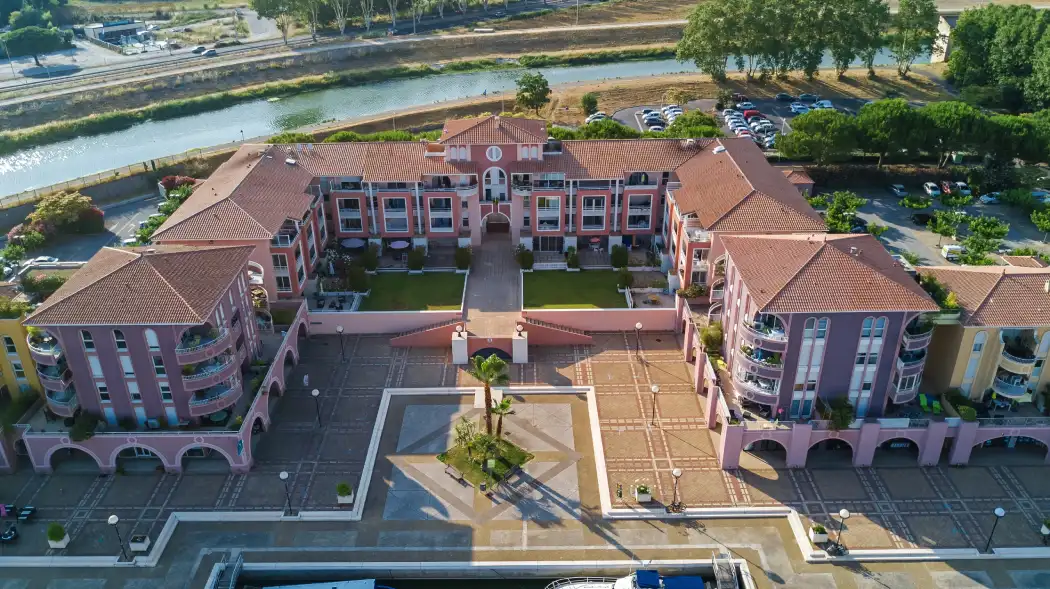
Established in 2008, K.P. Group of Institutions (KPGI) is a private, self-financed educational group located along the NH-2 Agra-Firozabad Road in Etmadpur, Agra, Uttar Pradesh. Approved by the All India Council for Technical Education (AICTE) and primarily affiliated with Dr. A.P.J. Abdul Kalam Technical University (AKTU), Lucknow, the group encompasses specialized units including the KP College of Management. Spanning a modern campus designed to foster professional growth, KPGI is recognized in the region for delivering multi-disciplinary technical and vocational pathways. The campus includes digital sections, specialized laboratories, modern computer infrastructure, and sports complexes to build corporate-ready skills among local and outstation students.
KPGI offers a comprehensive selection of undergraduate engineering, diploma, and postgraduate professional management courses. The multi-year structural fees represent an affordable framework regulated for private self-financed colleges in Uttar Pradesh.
| Program Profile | Standard Duration | Estimated Annual Fee | Total Estimated Course Fee |
| B.Tech (Computer Science, Civil, Mechanical, Electrical, ECE) | 4 Years | ₹55,000 – ₹61,200 | ₹2.45 Lakhs |
| B.Tech {Lateral Entry} | 3 Years | ₹61,200 | ₹1.84 Lakhs |
| MBA (HR, Finance, Marketing, IT, International Business) | 2 Years | ₹59,500 – ₹66,500 | ₹1.33 Lakhs |
| BBA / BCA (Undergraduate Management / IT) | 3 Years | ~₹30,000 – ₹40,000 | Varies |
| Polytechnic Diploma (Electrical, Civil, Mechanical, Automobile) | 3 Years | ₹30,150 | ₹90,450 |
(Note: Listed parameters correspond to base structural tuition costs. Mandatory university semester examination charges, enrollment portal transactions via AKTU, and hostel accommodation utilities are treated dynamically extra).
The admission cycle for the 2026-27 academic session leverages standardized state-level counseling structures beside campus merit provisions:
Step 1: Entrance Examinations: Engineering aspirants (B.Tech) must participate and possess valid ranks in the national JEE Main exam. Management candidates (MBA) are screened via national or state frameworks such as CMAT, CAT, MAT, or CUET PG. Polytechnic aspirants qualify through the JEECUP pathway.
Step 2: Centralized Online Counseling (UPTAC): Eligible candidates tracking regular seat quotas must register online via the UPTAC (Uttar Pradesh Technical Admission Counseling) portal. The registration and document uploading windows open on May 27 and continue through July 15, 2026, followed by sequential online choice filling and seat locking phases.
Step 3: Direct / Spot Allocation Merit Gate: Leftover or unfilled seat distributions are handled directly by the campus admissions cell. For direct admission, B.Tech applicants must clear 10+2 with a minimum of 45% aggregate marks (40% for reserved category groups) in PCM subjects, while BBA, BCA, and MBA routes require minimum aggregates of 50% marks in prior qualifying streams.
Step 4: Reporting & Verification: Allocated students must present original academic mark sheets, identity credentials, entrance scorecards, and lock in enrollment via the initial semester or yearly fee layout.
Admission closing bars scale dynamically according to individual course demand and available seats under the UPTAC structure:
B.Tech Computer Science Engineering (via JEE Main / UPTAC): Highly pursued by engineering applicants. The general All India category closing cutoff rank settles around 573,652 during initial counseling rounds, moving further outward into broader closing brackets across spot-round evaluations.
Core Technical Lines (Mechanical, Civil, Electrical): Cutoffs offer a much wider selection bracket where candidates presenting lower or expansive ranks under the JEE Main pool can successfully secure regular branch allocations.
Undergraduate & Management Merit Pools: General courses like BBA, BCA, and MBA do not utilize highly restrictive competitive state-rank cutoffs. Fulfilling the underlying academic eligibility benchmark ($\ge 50\%$ aggregate pass parameters) serves as a smooth baseline to clear entry gates during peak registration calendars.
The group maintains an on-campus Training and Placement Cell dedicated to building basic workplace skills, mock corporate interactions, and technical readiness programs.
Placement Scope: The institution logs a stable career readiness framework, helping an average of 60% to 70% of passing final-year batches transition into core industrial or corporate systems.
Salary Benchmarks: Elite technological or software development roles secured through off-campus expansions or regional drives reach highest metrics up to ₹6.00 LPA – ₹8.00 LPA. The functional operating average package distributed across general business administration and technical fields tracks steadily between ₹3.00 LPA and ₹4.00 LPA.
Key Corporate footprint: Graduating student lines routinely interface with local technical consultants, regional manufacturing/automobile plants along the Agra-Firozabad industrial zone, and service companies looking for entry-level positions.

























![NEET Re-Exam Dates 2026 [Updated]](https://www.collegedakhla.com/uploads/blogs/NEET_Re-Exam_Dates_2026_Updated.png)

![B.Tech Fees in Private Colleges - [Updated List]](https://www.collegedakhla.com/uploads/blogs/B.Tech_Fees_in_Private_Colleges.png)
![Top 5 Universities in India - [Updated List 2026]](https://www.collegedakhla.com/uploads/blogs/Top_5_Universities_in_India.png)




































1.webp)






Total Reviews (0)
No reviews found.