

Top 10 Career Options After BCom: Jobs and Scope
September 07, 2026

New Delhi, Delhi – 110047, India. | College | Estd 2005
(Reviews)

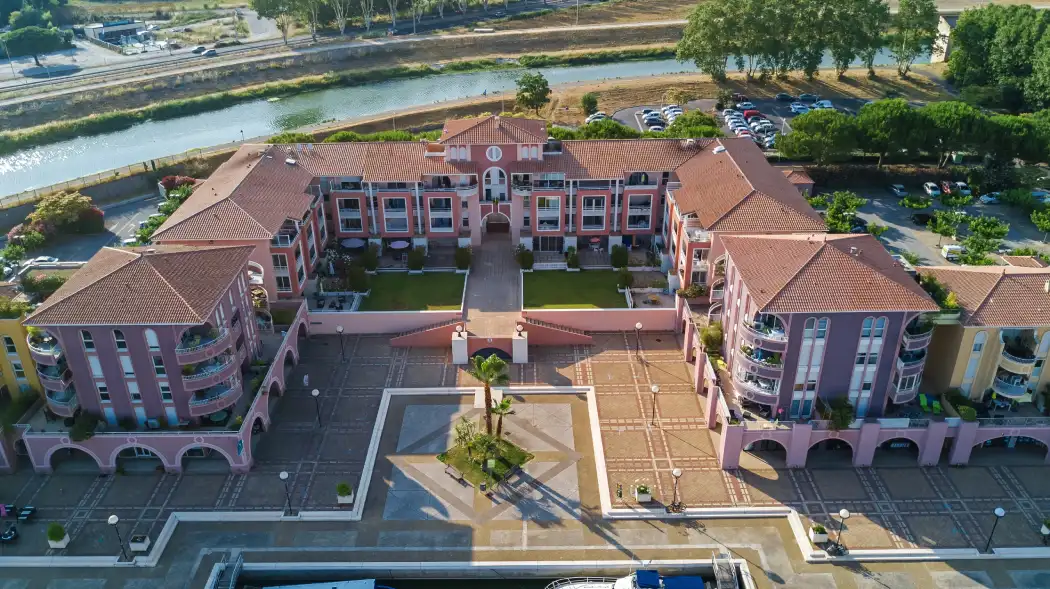
Lingaya’s Lalita Devi Institute of Management & Sciences (LLDIMS) is a private higher-education institution situated at Plot No. 847–848, Mandi Road, Mandi Village, near Chhatarpur, New Delhi – 110047. Established in 2005, the institute offers professional undergraduate and diploma programmes across management, computer applications, commerce, journalism and mass communication, teacher education, and early-childhood education. Its academic portfolio is intended for students seeking career-oriented qualifications after Class 12 as well as graduates who wish to enter the teaching profession.
The institute is affiliated with Guru Gobind Singh Indraprastha University (GGSIPU) for applicable programmes. Its institutional information also advertises NAAC A+ accreditation, UGC recognition under Section 2(f), NCTE recognition for teacher education, AICTE approval where applicable, and ISO 9001:2015 certification. Students should confirm the current validity and programme-specific relevance of these recognitions before making an admission decision.
Institutional Background and Academic Focus
LLDIMS has developed its course portfolio around fields that connect academic study with professional work. Business administration and commerce programmes introduce students to organisational operations, marketing, finance, accounting and business communication. Computer applications focuses on computing concepts and practical information-technology skills. Journalism and mass communication covers media, reporting, communication and digital content. The education programmes focus on teaching methods, educational psychology, child development and classroom practice.
This range allows applicants with different interests to explore distinct academic pathways within one institution. However, course selection should be based on the student’s career objectives, eligibility, preferred subjects and budget rather than the college name alone. Applicants should examine the detailed syllabus, programme duration, practical requirements, internship opportunities and progression routes for their chosen course.
Courses and Academic Departments
Bachelor of Business Administration (BBA)
The BBA programme is intended for students interested in management, business operations and organisational decision-making. Typical study areas include principles of management, marketing, human resources, financial management, business economics, organisational behaviour, entrepreneurship and business communication. Students can use case studies, presentations, group assignments and projects to develop their understanding of business situations. The programme may be suitable for those considering careers in sales, marketing, operations, human resources, business development or further study in management.
Bachelor of Computer Applications (BCA)
BCA is designed for students interested in computing, software and information technology. Typical subject areas include programming, data structures, database management, computer networks, operating systems, software engineering and web technologies. Practical assignments and project work can help students apply theoretical concepts to real problems. Students interested in technology careers should develop coding ability, logical reasoning, communication skills and a portfolio of practical projects alongside their academic work.
Bachelor of Commerce (B.Com. Hons.)
B.Com. (Hons.) focuses on accounting, finance, taxation, economics, business law, financial reporting and other commerce-related areas. Students develop a foundation for understanding financial records, business transactions and commercial systems. Spreadsheet skills, numerical accuracy, analytical thinking and familiarity with financial documentation are valuable complements to the curriculum. The degree may suit students considering accounting, taxation, finance operations, banking-related roles or professional qualifications.
Bachelor of Arts in Journalism and Mass Communication (BA JMC)
BA JMC focuses on media, journalism and communication. Typical areas include news reporting, writing, editing, media law, communication theory, digital media, advertising, public relations and media production. Practical assignments, writing samples, presentations and project work are important for building communication skills. Students can prepare for careers in journalism, content development, digital publishing, social media, public relations and related fields, depending on their skills and experience.
Bachelor of Education (B.Ed.)
B.Ed. is a professional teacher-education programme for eligible graduates or postgraduates. It generally includes educational psychology, pedagogy, curriculum design, assessment, inclusive education, classroom management and supervised teaching practice. The programme helps students develop lesson-planning skills, instructional techniques and an understanding of student learning. Candidates should check current eligibility, recognition and teaching-practice requirements before applying.
Diploma in Pre-School Education (DPSE)
DPSE is oriented towards early-childhood and pre-school education. It may cover child development, foundational learning, age-appropriate classroom activities, communication with young children, teaching resources and the organisation of early-learning environments. Applicants interested in pre-primary education should verify the current programme approval, duration, eligibility and the career roles for which the qualification is recognised.
Location and Campus Access
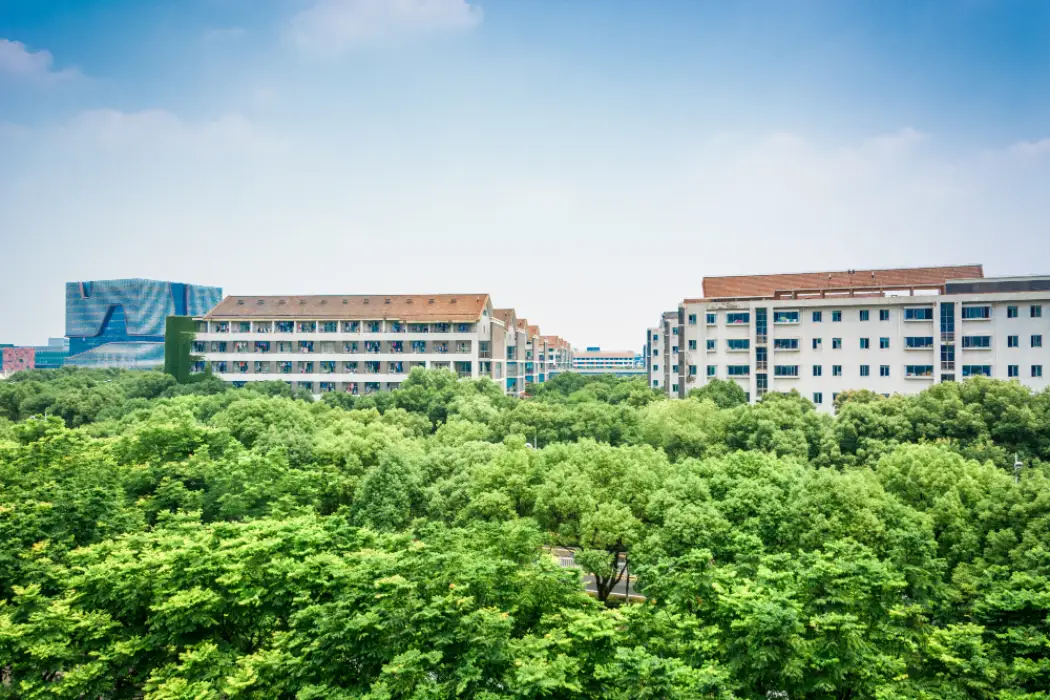
The campus is located on Mandi Road in Mandi Village, near Chhatarpur in South Delhi. Students should check the precise campus entrance, travel time and daily commute from home before enrolling. Applicants travelling from outside Delhi should calculate the additional cost of accommodation, meals and local transport. Transport services, if required, should be confirmed for the student’s actual route and timetable.
Academic Facilities and Learning Resources
The institute advertises facilities intended to support classroom learning, practical assignments, research and student development. These include smart classrooms, a digital seminar hall, multipurpose halls, an auditorium, a digital library, computer and specialist laboratories, and learning resources for media and education programmes. The institute’s information describes a digital library containing more than 30,000 textbooks, journals and research resources. Students should inspect current access arrangements, library opening hours, available software and laboratory equipment during a campus visit.
Course-specific facilities are particularly important. BCA applicants should inspect computer laboratories and available computing resources. BA JMC applicants should ask about radio, video, editing and media-production facilities. B.Ed. applicants should enquire about the psychology practical lab, teaching practice and school-based experience. DPSE applicants should ask about arts-and-crafts resources and practical training in early-childhood learning.
Faculty and Academic Guidance
The institution advertises a faculty pool with Ph.D. and NET qualifications and identifies department-specific teaching staff on its programme pages. Applicants should review the current faculty list for their intended course and ask about subject expertise, academic advising, project supervision and the support available for internships. Faculty details and departmental arrangements can change, so the latest programme information should be consulted rather than relying on an old brochure.
Skill Development and Industry Exposure
LLDIMS advertises value-added learning opportunities that include courses in Advanced Excel, Python, digital marketing, business and data analytics, financial modelling, and foreign languages such as German and French. It also promotes training and industry-linked activities through partners and initiatives including IBM SkillsBuild, Hero Vired, Crack Edu and N9 Studios. The exact courses offered, whether they are free for every student, and the terms of any certification should be confirmed for the relevant academic year.
The institute also advertises clubs and societies covering areas such as entrepreneurship, business, photography, music, sports, drama, fashion, anchoring and social activities. Such activities can help students practise teamwork, public speaking, event management and communication. Participation and availability may vary by semester and department.
Recognition, Affiliation and Academic Compliance
The institution advertises affiliation with GGSIPU, NAAC A+ accreditation, UGC recognition under Section 2(f), NCTE recognition and AICTE approval where applicable, along with ISO 9001:2015 certification. These are distinct forms of recognition and should not be treated as interchangeable. Applicants should confirm which approvals apply to their particular programme and admission year, especially for teacher education and any programme with separate regulatory requirements.
Scholarships and Financial Assistance
The institute advertises merit-based, need-based and selected category-based concessions. Published schemes refer to academic performance, sports achievements, sibling or alumni relationships, and support for eligible students with disabilities or other specified circumstances. Students should request a written scholarship policy showing the amount, eligibility, documentation, renewal requirements and whether the concession applies to tuition, allotment charges or other fees. Government scholarships may have separate rules and deadlines.
Career Preparation and Placement Support
The institute operates a training and placement function and advertises career preparation, recruiter engagement, internships and job opportunities. Its placement page reports 2025–26 figures including a highest package of ₹11 LPA, an average package of ₹4.5 LPA, 48 recruiting companies, 83% job offers and 100% internship offers. These should be read as institution-reported aggregate figures; the exact denominator and course-wise distribution need to be checked before using them as a guarantee for an individual programme.
Students should compare placement information by course and role. A BCA student may target IT support, software testing or development roles, whereas a BBA student may seek sales, operations or business-development positions. Commerce students may pursue accounting and finance-related work, while journalism students may build a portfolio for media or content roles. B.Ed. graduates should separately check teacher eligibility and recruitment requirements.
Who Should Consider LLDIMS?
LLDIMS may be suitable for students seeking professional education in South Delhi across business, computing, commerce, media or teacher education. The right course depends on academic strengths, career plans, admission eligibility, financial capacity and willingness to undertake practical work. Before choosing the institute, compare the course syllabus, total fee, commute, faculty, facilities, internships and verified placement data with other institutions offering the same qualification.
Checklist Before Applying
Confirm the exact programme name and duration for the 2026–27 session.
Check the applicable entrance examination and counselling process.
Obtain the current annual and total fee schedule in writing.
Verify programme-specific affiliation and regulatory recognition.
Inspect the relevant laboratory, library and practical-training facilities.
Ask for course-wise internship and placement information.
Confirm scholarship eligibility and renewal conditions.
Check transport, accommodation and other living costs.
Retain the official admission offer, fee receipt and university documentation.
A careful comparison of these factors can help applicants make a better-informed decision about whether LLDIMS matches their academic goals and career expectations.


















































Total Reviews (0)
No reviews found.