CAT 2026 last 15 days preparation plan for MBA aspirants
November 11, 2026
Abohar, Firozpur | College | Estd 2006
(Reviews)

Info
Courses & Fees
Admission
CutOff
Placement
Reviews
Maharaja Aggarsain Institute of Technology (MAIT), Abohar is a private technical education institution situated at Village Alamgarh, Ganganagar Road, Abohar, Punjab. Established in 2006, the institute was developed to provide technical, vocational and skill-oriented education to students from Abohar and neighbouring areas of Punjab, Haryana and Rajasthan. It is managed by the Social Service Welfare Society and was established under a Public Private Partnership with the Government of Punjab through the Directorate of Technical Education and Industrial Training.
MAIT operates as a group of technical education institutions offering Polytechnic Diploma programmes, Industrial Training Institute (ITI) trades and Art & Craft education. Rather than functioning as a conventional degree-granting university, the institution focuses on practical and employment-oriented training. Its academic offerings are designed for students who want to develop technical knowledge after Class 8 or Class 10 and prepare for skilled occupations, industrial work or further technical education.
Institution Overview
| Particular | Details |
|---|---|
| Institution Name | Maharaja Aggarsain Institute of Technology |
| Short Name | MAIT |
| Established | 2006 |
| Institution Type | Private Technical Institution |
| Management | Social Service Welfare Society |
| Location | Village Alamgarh, Ganganagar Road, Abohar |
| District | Fazilka, Punjab |
| PIN Code | 152116 |
| Polytechnic Affiliation | Punjab State Board of Technical Education & Industrial Training |
| Polytechnic Approval | AICTE, as stated by the institution |
| Main Academic Areas | Polytechnic, ITI and Art & Craft |
| Campus Area | Approximately 10 Acres |
Academic Structure and Programmes
The institute's Polytechnic College provides diploma-level engineering education in five disciplines: Mechanical Engineering, Electrical Engineering, Civil Engineering, Electronics & Communication Engineering and Automobile Engineering. These programmes are intended to provide students with technical foundations and practical knowledge related to their chosen engineering branch.
The ITI section provides vocational training in trades such as Electrician, Fitter, Welder, Carpenter, Plumber, Diesel Mechanic, Architectural Assistant, COPA and Sewing Technology. These trades are intended to help students develop occupational skills through practical learning and trade-specific training. The Art & Craft section offers a two-year programme for students interested in drawing, art education and creative skill development.
Campus and Learning Environment
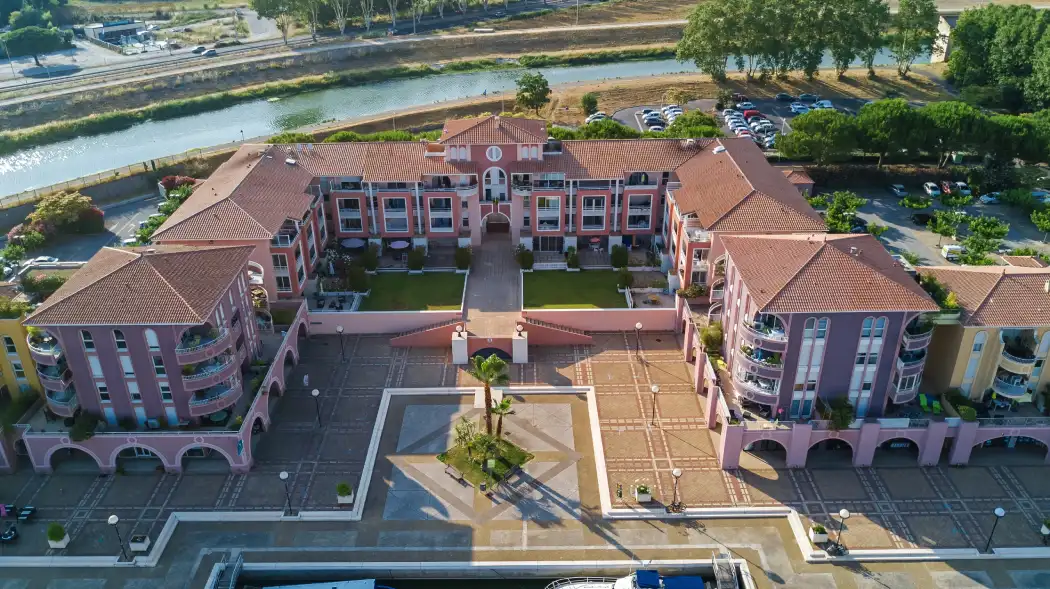
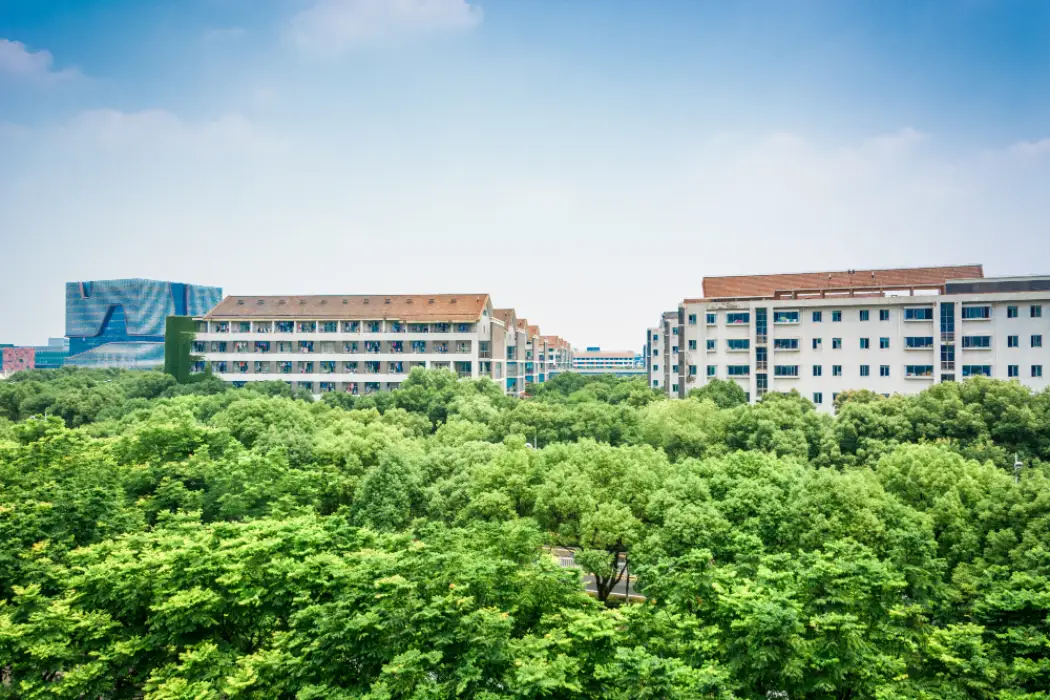
The institution describes its campus as a 10-acre educational environment with classrooms, laboratories, workshops, seminar halls, libraries and computer facilities. Practical infrastructure is particularly important for technical education because students need opportunities to understand tools, machines, electrical systems, workshop procedures and computer applications.
The institute also describes Wi-Fi connectivity and computer access across the campus, including its laboratories and student hostels. These facilities can support academic assignments, technical learning, computer-based work and student activities. Workshops and laboratories are relevant to the Polytechnic and ITI programmes because they help students connect classroom concepts with practical applications.
Who Should Consider This Institute?
Maharaja Aggarsain Institute of Technology can be considered by students who want to pursue technical education after Class 10 instead of directly entering a conventional bachelor's degree programme. Students interested in engineering technology can explore the three-year diploma programmes, while those looking for trade-based vocational training can consider the ITI courses.
The institution may be relevant for students interested in electrical maintenance, mechanical work, automobile technology, civil construction, electronics, welding, fitting, computer operations and other skilled occupations. Students interested in art-related training can explore the Art & Craft programme.
Its location in Abohar also makes it relevant for students from the surrounding Fazilka region and nearby areas of Rajasthan and Haryana. Before taking admission, applicants should compare the programme's total fees, duration, trade recognition, practical training arrangements, examination system and future employment opportunities.
0 Reviews
Excellent
Maharaja Aggarsain Institute of Technology, Abohar provides technical and vocational programmes through its Polytechnic College, ITI College and Art & Craft College. The institution offers courses at different qualification levels, allowing students to pursue technical education after Class 8 or Class 10. Its main academic focus is on diploma engineering, industrial trades and practical skill development.
Polytechnic Diploma Engineering Courses
The Polytechnic College offers three-year diploma programmes in five engineering disciplines. The published total intake across these five programmes is 300 students per year, with 60 seats in each branch.
| Diploma Course | Duration | Published Intake |
|---|---|---|
| Mechanical Engineering | 3 Years | 60 |
| Electrical Engineering | 3 Years | 60 |
| Civil Engineering | 3 Years | 60 |
| Electronics & Communication Engineering | 3 Years | 60 |
| Automobile Engineering | 3 Years | 60 |
| Total Intake | 300 |
Mechanical Engineering: This programme introduces students to machines, manufacturing processes, mechanical systems, workshop practices and industrial equipment. Students can develop knowledge of engineering materials, machine components, production processes, maintenance and mechanical operations. It can be relevant for students interested in manufacturing, production, maintenance and industrial technical work.
Electrical Engineering: Electrical Engineering focuses on electrical systems, circuits, machines, power distribution and electrical installations. Students can develop an understanding of electrical equipment, wiring, motors, transformers, safety procedures and maintenance practices. Career areas may include electrical maintenance, industrial operations, power-related services and technical support.
Civil Engineering: Civil Engineering deals with construction, buildings, roads, surveying, structural systems and infrastructure development. Students learn the fundamentals of construction materials, drawing, measurement, site procedures and civil engineering practices. It can be useful for students interested in construction companies, infrastructure projects, site supervision and technical support.
Electronics & Communication Engineering: This programme introduces students to electronic components, electrical and electronic circuits, communication systems, instruments and related technologies. Students can explore practical applications involving electronic devices, circuit testing, communication equipment and basic troubleshooting.
Automobile Engineering: Automobile Engineering focuses on vehicles, engines, automotive systems, components, servicing and maintenance. Students can develop an understanding of vehicle systems, engine operation, workshop procedures and automobile technology. It may be suitable for students interested in automobile workshops, service centres, vehicle maintenance and automotive technical work.
Direct Second-Year Diploma Admission
The institution also mentions direct admission into the second year of eligible Polytechnic Diploma programmes for candidates who have completed an accepted ITI qualification, 10+2 vocational qualification or 10+2 Science qualification. Admission is subject to the applicable eligibility rules and seat availability.
ITI Courses and Trade Training
The ITI section offers vocational training in several trades. These courses are designed to develop practical skills for specific occupations and technical work environments.
| ITI Trade | Duration | Eligibility |
|---|---|---|
| Welder | 1 Year | 8th / 10th |
| Carpenter | 1 Year | 8th / 10th |
| Plumber | 1 Year | 10th |
| Fitter | 2 Years | 10th |
| Electrician | 2 Years | 10th |
| Diesel Mechanic | 1 Year | 10th |
| Architectural Assistant | 1 Year | 10th |
| COPA | 1 Year | 10th |
| Sewing Technology | 1 Year | 8th |
Trade-wise Learning Areas
Electrician training focuses on wiring, electrical equipment, electrical installations, circuit connections and maintenance. Fitter training deals with tools, machine components, fitting operations, measurements and workshop procedures. Welder training introduces welding equipment, joining techniques and workshop safety. Carpenter training covers woodwork, tools, measurements and furniture-related work, while Plumber training focuses on pipes, fittings, water supply systems and maintenance.
Diesel Mechanic training is related to diesel engines, vehicle systems, servicing and troubleshooting. COPA provides computer-oriented training in computer operations, office applications and basic programming-related work. Architectural Assistant training is associated with technical drawing and building-related documentation, while Sewing Technology develops practical garment and stitching skills.
Art & Craft Programme
The institute also offers a two-year Art & Craft programme, with Class 10 as the stated eligibility qualification. The course is intended for students interested in drawing, visual creativity and art-related skills. It may be relevant for students exploring art education and creative work.
Course Fees
The following figures are listed programme-wise total fees. They are not annual tuition amounts.
| Course | Listed Total Fees |
|---|---|
| Diploma in Architectural Assistantship | ₹30,000 |
| Diploma in Automobile Engineering | ₹57,000 |
| Diploma in Art & Craft | ₹60,000 |
Fees for the other engineering diploma branches and ITI trades should be considered according to the applicable admission-year fee schedule. Hostel, examination, registration, uniform, tools and other charges may be separate.
Choosing the Right Programme
Students who want a broader technical qualification after Class 10 can consider a Polytechnic Diploma. Students who prefer a specific trade and practical occupational training can explore ITI programmes. Candidates interested in creative education can consider Art & Craft.
The appropriate course depends on the student's previous qualification, career objective, interest in practical work and preferred industry. Applicants should review the latest prospectus and confirm the course-specific fee and recognition details before completing admission.
Maharaja Aggarsain Institute of Technology, Abohar offers admission to Polytechnic Diploma, ITI and Art & Craft programmes. The institute's academic structure is intended for students with different educational backgrounds, including candidates who have completed Class 8, Class 10, ITI or eligible 10+2 qualifications. Admission requirements depend on the selected course and the relevant technical education authority.
The institute announced admissions for the 2026–27 academic session on 11 May 2026. Polytechnic Diploma admissions and ITI admissions follow different procedures and schedules. Polytechnic engineering admissions are associated with the Punjab State Board of Technical Education & Industrial Training, while ITI admissions are conducted through the Punjab ITI admission and counselling system.
Admission Dates – 2026–27
| Programme / Admission Process | Opening / Registration Information | Closing Information |
|---|---|---|
| MAIT 2026–27 admission announcement | 11 May 2026 | Course-wise schedule applies |
| Polytechnic Diploma | Punjab Polytechnic 2026 counselling process | Separate counselling and admission deadlines |
| ITI Trades | Punjab ITI 2026 admission process | 22 September 2026 final admission deadline |
The 22 September 2026 deadline was displayed by the Punjab ITI admission portal. It should be applied to the ITI admission process, not automatically to every Polytechnic or Art & Craft programme. The 2026–27 admission cycle has now ended.
Eligibility for Polytechnic Diploma
Applicants seeking admission to the first year of a Polytechnic Diploma engineering programme must generally have passed the Class 10 matriculation examination from a recognised board. The institution specifies Mathematics, English and Science as the required subjects for its engineering diploma programmes.
Candidates who have completed an eligible ITI qualification, 10+2 vocational qualification or 10+2 Science qualification may be considered for direct admission into the second year of the diploma programme, subject to the applicable admission rules and available seats.
Eligibility for ITI Trades
The ITI section accepts candidates with different educational qualifications depending on the selected trade. Some trades accept candidates who have completed Class 8 or Class 10, while others require Class 10.
| ITI Trade | Stated Eligibility |
|---|---|
| Welder | 8th / 10th |
| Carpenter | 8th / 10th |
| Plumber | 10th |
| Fitter | 10th |
| Electrician | 10th |
| Diesel Mechanic | 10th |
| Architectural Assistant | 10th |
| COPA | 10th |
| Sewing Technology | 8th |
Eligibility for Art & Craft
Applicants seeking admission to the Art & Craft programme should have completed Class 10. The programme is listed as a two-year course and is intended for students interested in drawing and art-related education.
How to Apply
Visit the official MAIT website.
Open the online registration or admission section.
Select the appropriate institution or programme.
Enter the candidate's academic and personal details.
Provide the previous qualification, board and marks information.
Enter contact details and the required address information.
Upload or provide the documents requested during registration.
Complete the admission or counselling process applicable to the selected course.
Confirm the allotted or offered seat and pay the applicable fee.
Collect the admission confirmation and retain the payment receipt.
Documents Generally Required
Class 8 marksheet, where applicable
Class 10 marksheet and certificate
Class 12 marksheet for eligible lateral-entry applicants
ITI certificate and marksheets, where applicable
Aadhaar or another valid identity document
Passport-size photographs
Category certificate, if applicable
Domicile certificate, if required
Transfer Certificate, where applicable
Migration Certificate, where applicable
Other documents required by the admission authority
Scholarship Opportunities
The institute's published prospectus has mentioned scholarship facilities for eligible SC, OBC and minority-category students under applicable state and central government policies. Scholarship approval depends on the candidate's category, income, domicile, educational records and the rules of the relevant scheme. Students should submit the required certificates and apply through the appropriate scholarship process.
Admission Guidance
Applicants should carefully select the course that matches their educational qualification. A candidate interested in a three-year engineering diploma should review the Polytechnic admission requirements, while a candidate seeking trade-based training should select the appropriate ITI programme. The admission procedure and deadline for one programme should not be assumed to apply to another.
Before paying fees, students should confirm the programme name, duration, applicable affiliation or approval, total course fee, hostel charges and examination arrangements. Keeping copies of the application, uploaded documents, admission confirmation and fee receipt is recommended for future academic requirements.
Admission to Maharaja Aggarsain Institute of Technology, Abohar is based on the eligibility requirements and admission procedures applicable to its Polytechnic Diploma, ITI and Art & Craft programmes. The institution does not use a single common entrance examination cutoff for all its courses. The required educational qualification depends on the programme, and admission may be conducted through the relevant Punjab technical education counselling process or institute-level admission procedure.
For Polytechnic Diploma engineering courses, applicants generally need to pass Class 10 with Mathematics, English and Science. For ITI trades, the minimum educational requirement varies by trade, with some accepting Class 8 and others requiring Class 10. Art & Craft admission is listed for candidates who have completed Class 10.
Programme-wise Eligibility and Selection
| Programme | Minimum Qualification | Admission Basis |
|---|---|---|
| Diploma Mechanical Engineering | Class 10 with Mathematics, English and Science | Qualifying examination merit / applicable counselling |
| Diploma Electrical Engineering | Class 10 with Mathematics, English and Science | Qualifying examination merit / applicable counselling |
| Diploma Civil Engineering | Class 10 with Mathematics, English and Science | Qualifying examination merit / applicable counselling |
| Diploma Electronics & Communication Engineering | Class 10 with Mathematics, English and Science | Qualifying examination merit / applicable counselling |
| Diploma Automobile Engineering | Class 10 with Mathematics, English and Science | Qualifying examination merit / applicable counselling |
| Diploma Lateral Entry | Eligible ITI / 10+2 Vocational / 10+2 Science | Qualification and admission rules |
| ITI Trades | Class 8 or Class 10, depending on trade | Trade eligibility and admission procedure |
| Art & Craft | Class 10 | Qualifying examination eligibility |
Polytechnic Diploma Cut-off
The five engineering diploma programmes have a combined published annual intake of 300 seats, with 60 seats in each branch. Admission is connected with the Punjab Polytechnic admission process and the applicable qualifying examination merit and counselling rules.
| Engineering Branch | Published Intake | Closing Cut-off |
|---|---|---|
| Mechanical Engineering | 60 | No confirmed closing marks published |
| Electrical Engineering | 60 | No confirmed closing marks published |
| Civil Engineering | 60 | No confirmed closing marks published |
| Electronics & Communication Engineering | 60 | No confirmed closing marks published |
| Automobile Engineering | 60 | No confirmed closing marks published |
ITI Trade-wise Selection
ITI admission is based on the qualification requirements for the selected trade and the admission procedure followed by the Punjab ITI admission authority. Candidates must satisfy the prescribed educational qualification and complete the registration, document verification, choice selection and admission confirmation process.
| Trade | Minimum Qualification |
|---|---|
| Welder | 8th / 10th |
| Carpenter | 8th / 10th |
| Plumber | 10th |
| Fitter | 10th |
| Electrician | 10th |
| Diesel Mechanic | 10th |
| Architectural Assistant | 10th |
| COPA | 10th |
| Sewing Technology | 8th |
Category-wise Admission
Candidates belonging to reserved categories should provide valid certificates wherever applicable. Reservation benefits and category-wise seat allocation are governed by the relevant Punjab government and admission authority rules. The merit position may differ according to the programme, candidate category, available seats and counselling round.
Understanding the Cut-off
The minimum eligibility qualification is not the same as the final admission cutoff. For example, passing Class 10 with the required subjects makes a candidate eligible to apply for a diploma programme, but the final seat allotment may depend on merit, preferences and the availability of seats.
Similarly, meeting the minimum educational requirement for an ITI trade does not automatically guarantee admission. The admission authority's merit and counselling procedure must be completed wherever applicable.
How to Assess Admission Chances
Students should first verify that they meet the minimum qualification for their selected programme. Polytechnic applicants should review their Class 10 marks and the applicable Punjab Polytechnic counselling information. ITI applicants should confirm the educational qualification for their preferred trade and follow the Punjab ITI admission portal's merit and counselling notices.
A numerical branch-wise cutoff or category-wise closing mark should only be entered when supported by an official merit list or allotment record. Applicants should not use the cutoff of another Polytechnic or ITI institution as the cutoff for Maharaja Aggarsain Institute of Technology.
Maharaja Aggarsain Institute of Technology, Abohar provides technical and vocational education through Polytechnic Diploma, ITI and Art & Craft programmes. Its courses are designed to develop practical knowledge and occupational skills that can help students pursue employment in technical, industrial, service and vocational sectors. Career opportunities depend on the student's selected programme, practical training, trade skills, academic performance and ability to meet employer requirements.
The institute has a dedicated Placement Cell that coordinates placement-related activities for graduating students. According to the institution's placement information, the cell works with companies, industries and organisations and assists with pre-placement talks, written tests, group discussions and interviews. The placement team also coordinates between students and prospective employers to support recruitment activities.
Placement Support System
The Placement Cell is intended to help students understand recruitment requirements and prepare for selection procedures. Its activities include:
Pre-placement talks and employer interaction
Written recruitment tests
Group discussions
Personal interviews
Coordination with companies and industries
Placement-related communication and student support
Career preparation for graduating students
These activities can help students understand the expectations of employers and prepare for technical and non-technical selection stages.
Placement Data and Highest Package
The institution's publicly accessible placement information describes its Placement Cell and shows placement-related material, including a placement reference involving Honda, Alwar. However, a consolidated current-year placement report with a verified highest package, average package, median package, total placed students and branch-wise placement percentage is not published in the accessible information.
| Placement Particular | Information |
|---|---|
| Placement Cell | Available |
| Placement Activities | Pre-placement talks, written tests, group discussions and interviews |
| Industry Interaction | Mentioned by the institution |
| Recruiter Reference | Honda, Alwar placement material |
| Highest Package | No consolidated verified figure published |
| Average Package | No consolidated verified figure published |
| Placement Percentage | No consolidated verified figure published |
Career Opportunities after Polytechnic Diploma
Students completing a Polytechnic Diploma can explore technical employment in industries related to their branch.
| Diploma Branch | Potential Employment Areas |
|---|---|
| Mechanical Engineering | Manufacturing, production, machine maintenance, quality control and workshop operations |
| Electrical Engineering | Electrical maintenance, industrial installations, wiring, power systems and equipment servicing |
| Civil Engineering | Construction, site supervision, surveying, infrastructure and building projects |
| Electronics & Communication Engineering | Electronics servicing, circuit testing, communication equipment and technical support |
| Automobile Engineering | Automobile workshops, vehicle servicing, maintenance, dealership service centres and automotive operations |
Diploma holders may also explore further technical education, including eligible lateral-entry admission into the second year of a relevant engineering degree programme, subject to the rules of the receiving institution.
Career Opportunities after ITI
ITI programmes are focused on occupational skills and trade-specific training. Students can explore entry-level opportunities in workshops, factories, service centres, maintenance units, construction-related work and other technical environments.
| ITI Trade | Potential Career Areas |
|---|---|
| Electrician | Electrical installation, maintenance and repair |
| Fitter | Industrial fitting, machinery maintenance and assembly |
| Welder | Fabrication, welding and metalwork |
| Carpenter | Furniture, woodwork and construction-related work |
| Plumber | Plumbing installation and maintenance |
| Diesel Mechanic | Diesel engine servicing and vehicle maintenance |
| COPA | Computer operations, office assistance and basic IT support |
| Architectural Assistant | Drafting and building drawing support |
| Sewing Technology | Garment production, tailoring and stitching work |
Industry Exposure and Practical Learning
Practical learning is important for students pursuing technical and vocational programmes. The institute describes laboratories, workshops, computer labs and industry-institute linkage activities as part of its educational environment. These facilities can help students gain exposure to tools, equipment, technical processes and workplace-oriented learning.
Students should make active use of practical sessions, workshops, projects and internships wherever available. Developing safe work practices, accurate measurements, equipment handling, troubleshooting, teamwork and communication skills can improve their readiness for employment.
How Students Can Improve Placement Opportunities
Students should build strong practical skills in their chosen trade and maintain a record of workshop activities and academic projects. Diploma engineering students can strengthen their knowledge of technical drawing, engineering tools, computer applications and branch-related software. ITI students can focus on trade proficiency, equipment handling, maintenance procedures and safety standards.
Communication skills, punctuality, discipline, problem-solving and interview preparation are also important for technical recruitment. Students who want to progress beyond entry-level jobs can explore additional certifications, apprenticeships and further technical education.
Overall Placement Outlook
Maharaja Aggarsain Institute of Technology offers a practical and skill-focused route for students interested in technical employment after Class 8 or Class 10. Its placement cell provides recruitment-related support, while its Polytechnic and ITI programmes prepare students for different technical and vocational sectors.
Students should evaluate placement opportunities according to their selected branch or trade and should ask for the latest batch-wise placement details before admission. The availability of a Placement Cell and a recruiter reference does not mean that every student is guaranteed a job or a fixed salary package.
November 11, 2026
November 11, 2026
September 07, 2026
September 04, 2026
September 03, 2026
September 02, 2026
August 25, 2026
August 22, 2026
August 18, 2026
August 17, 2026
August 14, 2026
August 13, 2026
August 11, 2026
August 08, 2026
July 31, 2026
July 27, 2026
July 24, 2026
July 20, 2026
July 11, 2026
July 09, 2026
June 13, 2026
June 10, 2026
June 07, 2026
May 29, 2026
May 27, 2026
May 25, 2026
May 23, 2026
May 21, 2026
May 18, 2026
May 17, 2026
May 14, 2026
May 13, 2026
May 11, 2026
May 09, 2026
May 07, 2026
May 07, 2026
April 29, 2026
April 28, 2026
April 28, 2026
April 24, 2026
April 21, 2026
March 31, 2026
March 30, 2026
March 23, 2026
March 20, 2026
March 14, 2026
February 23, 2026
February 19, 2026
February 16, 2026
February 16, 2026
February 10, 2026
February 10, 2026
February 07, 2026
February 07, 2026
February 05, 2026
February 05, 2026
January 09, 2026
January 07, 2026
June 05, 2025
Brochure download will be available soon!
Get details and latest updates
Total Reviews (0)
No reviews found.