Top 10 Career Options After BCom: Jobs and Scope
September 07, 2026
Faridabad | University | Estd 1997
(Reviews)

Info
Courses & Fees
Admission
CutOff
Placement
Reviews
Manav Rachna International Institute of Research & Studies (MRIIRS), located in Sector 43, Faridabad, Haryana, is a multidisciplinary deemed-to-be university offering undergraduate, postgraduate and doctoral education across engineering, computer applications, management, commerce, design, media, psychology, allied health sciences, dental sciences, nutrition and related fields. The institution was established in 1997 and subsequently received deemed-to-be university status. It operates within the Manav Rachna educational group while maintaining its own academic identity, programmes and admission structure.
Institutional Status and Accreditation
MRIIRS is recognised as a deemed-to-be university under Section 3 of the UGC Act, 1956, and has been awarded NAAC A++ accreditation. Its academic portfolio includes professional, technical, research-oriented and interdisciplinary programmes. Specific professional programmes may have additional approvals or regulatory requirements; students should check the applicable programme details before admission.
Schools and Academic Areas
The university’s academic structure covers several major disciplines:
Engineering and Technology: Computer Science and Engineering, Electronics and Communication Engineering, Mechanical Engineering, Civil Engineering, Biotechnology and related specialisations.
Computer Applications: BCA, MCA and specialised computing programmes, depending on the current course catalogue.
Business and Management: BBA, MBA and business-related specialisations.
Commerce and Economics: Undergraduate and postgraduate commerce, accounting and economics programmes.
Design: Undergraduate design programmes and specialised creative disciplines.
Media and Humanities: Journalism, mass communication, media studies, English and related subjects.
Behavioural and Social Sciences: Psychology, social sciences and interdisciplinary programmes.
Allied Health Sciences: Physiotherapy, nutrition and dietetics, food science and other health-related disciplines.
Dental Sciences: Dental education and related clinical training through the constituent dental institution.
Research: Ph.D. programmes across eligible departments and disciplines.
Campus and Learning Environment
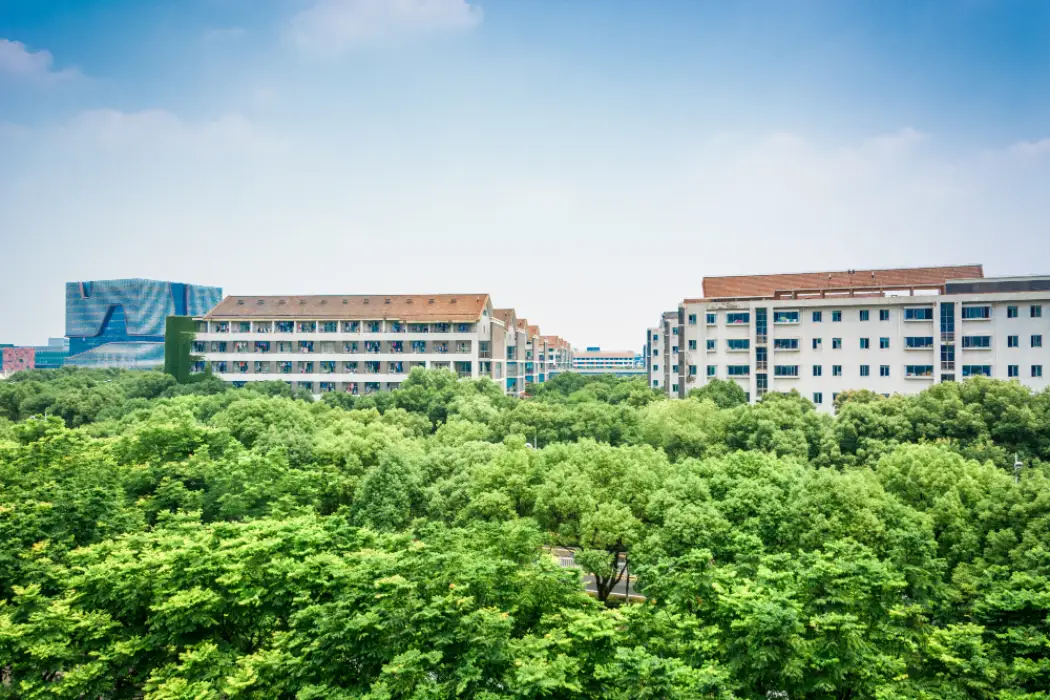
MRIIRS promotes a campus-based learning environment combining classroom teaching with laboratories, practical work, projects, research activities, presentations, seminars and industry-oriented exposure. Facilities and specialist laboratories vary according to the school and programme. Students should assess the resources relevant to their intended course—for example, computing laboratories for technology programmes, studios for design, clinical and practical facilities for health sciences, and media production resources for communication courses.
Research, Innovation and Industry Exposure
The institution highlights research publications, innovation, entrepreneurship and collaborations with external organisations as part of its academic approach. Students may encounter projects, internships, workshops, technical activities, industry interactions and career-preparation programmes according to their department. The actual level of exposure depends on the course, faculty, student participation and the opportunities available in a particular academic year.
Placement and Career Development
MRIIRS has a dedicated placement and career-support structure intended to connect students with employers through recruitment activities, training and career preparation. Activities may include aptitude development, communication skills, technical preparation, interviews, résumé building, internships and employer interactions. Placement results differ substantially between programmes, specialisations and graduating batches, so applicants should review the latest department-wise report rather than relying only on the highest package advertised for the institution.
Scholarships and Student Support
Eligible students may apply for merit-based awards, entrance-test-linked scholarships and other schemes offered under the university’s current policy. Scholarship amounts depend on academic performance, qualifying scores, programme, category and any renewal conditions. Students should confirm the applicable waiver, required documents and continuation criteria before calculating their net education cost.
Location and Student Suitability
The campus is situated on Delhi–Surajkund Road in Sector 43, Faridabad, Haryana, within the wider Delhi-NCR education and employment region. MRIIRS may suit students seeking a multidisciplinary campus with a broad choice of professional programmes. Before applying, compare course curriculum, total tuition, hostel and transport costs, practical facilities, programme-specific placements and the eligibility requirements of the selected department.
0 Reviews
Good
MRIIRS offers undergraduate, postgraduate and doctoral programmes through academic schools covering engineering, computing, management, commerce, design, media, sciences, psychology, allied health and dental education. Course duration, eligibility and total cost depend on the selected degree, specialisation, admission category and academic session.
Popular Courses and Indicative Tuition Fees
The following figures are broad planning ranges compiled from available 2026 course listings. They are not a substitute for the official programme-wise 2026–27 fee schedule. Fees can vary by specialisation, and some published totals include components beyond tuition.
| Course | Usual Duration | Indicative Tuition Fee |
|---|---|---|
| B.Tech / B.E. | 4 years | ₹3.94 lakh–₹13.35 lakh |
| BCA | 3–4 years, depending on structure | ₹4.28 lakh–₹9.67 lakh |
| BBA | 3–4 years, depending on structure | ₹4.69 lakh–₹9.38 lakh |
| B.Com | 3–4 years, depending on structure | ₹4.28 lakh–₹9.20 lakh |
| B.Des | Usually 4 years | ₹7.38 lakh–₹24 lakh |
| B.Sc. | Usually 3–4 years | ₹4.22 lakh–₹24 lakh, depending on programme |
| MBA / PGDM-category programmes | Usually 2 years | Approximately ₹5.59 lakh–₹10.50 lakh |
| MCA | Usually 2 years | Approximately ₹2.55 lakh |
| M.Tech / M.E. | Usually 2 years | Approximately ₹1.62 lakh–₹2.90 lakh |
| M.Sc. | Usually 2 years | Varies by specialisation |
| MPT | Usually 2 years | Varies by specialisation |
| BPT | Usually 4–4.5 years, including applicable clinical training | Varies by current fee schedule |
| BDS | Usually 5 years, including internship | Check the current dental programme fee schedule |
| MDS | Usually 3 years | Programme- and specialisation-dependent |
| Ph.D. | Commonly 3 years or more | Depends on discipline and registration structure |
Important Fee Components
A student’s final payable amount may include tuition, development or university charges, examination fees, student-resource charges, security deposits, one-time payments, laboratory or clinical charges where applicable, and hostel or transport expenses. These components are not identical across programmes. Confirm the official fee table for the specific degree before quoting an exact total.
Examples of Programme Cost Planning
B.Tech: The total varies with the engineering branch and specialised curriculum. Computer Science and certain emerging-technology programmes may cost more than some other branches.
BCA and MCA: Compare tuition with any additional charges for specialised computing tracks, laboratories or industry-linked learning.
BBA and MBA: Fees vary by management specialisation and programme format. Check whether an advertised amount represents tuition alone or the complete programme cost.
B.Des: Design programmes may require additional spending on materials, projects, equipment or portfolio work, depending on the course.
Health and Dental Sciences: Clinical training, practical facilities, programme duration and regulatory requirements can affect the overall cost. Confirm all applicable fees directly for the selected course.
Hostel and Mess Fees
Hostel accommodation is available, but the amount depends on room occupancy, AC/non-AC options, washroom arrangements and the selected residence. Shiksha’s indicative listings show hostel charges of approximately ₹2.53 lakh–₹6.12 lakh for some B.Tech options, around ₹2.53 lakh for certain MBA options, and approximately ₹3.77 lakh–₹3.91 lakh for some BCA options over the stated course-fee calculation period. These figures are not a universal hostel tariff and may reflect different fee components or durations. Confirm the current hostel brochure to establish the annual accommodation charge, whether mess meals are included, and any refundable deposit or additional utility charges.
Scholarships and Financial Assistance
MRIIRS advertises merit-based and MRNAT-linked scholarship schemes, including selected tuition-fee waivers of up to 100%. The actual award depends on eligibility, marks or entrance performance, programme rules, seat or scheme availability and renewal conditions. Students should calculate the payable fee after receiving a formal scholarship decision rather than assuming the maximum waiver will apply.
How to Verify the Final Amount
Before admission, request the current fee structure for the exact programme and specialisation. Confirm the first-year instalments, later-year tuition, one-time charges, refundable deposits, hostel and mess costs, scholarship deductions and refund rules. This avoids confusing tuition-only figures with the total cost of studying at MRIIRS.
MRIIRS offers admission to undergraduate, postgraduate and doctoral programmes through a combination of qualifying-examination marks, programme-specific entrance examinations, merit assessment and other selection requirements. The exact process depends on the course and may change between admission cycles. Applicants should select the correct MRIIRS programme rather than a similarly named programme offered by Manav Rachna University (MRU), which is a separate institution.
2026 Admission Status and Important Dates
The 2026 admission cycle had opened for undergraduate, postgraduate and doctoral programmes. A third-party admission listing reported 12 July 2026 as an application deadline, but this should not be treated as the universal closing date for every programme. As of 21 October 2026, that reported date has passed. The university may have different deadlines, additional rounds or vacancies for particular courses. Applicants seeking admission now should confirm directly whether applications, counselling or vacant-seat admissions remain open for their programme.
Undergraduate Admission
Applicants generally need to have passed Class 12 or an equivalent examination from a recognised board. Minimum marks, subject combinations and entrance requirements depend on the selected course. For example:
B.Tech: Class 12 subjects and marks must meet the current engineering eligibility rules. JEE Main, MRNAT and other accepted pathways may be considered according to the programme’s admission policy.
BCA, BBA and B.Com: Class 12 qualification is generally required; subject and percentage conditions depend on the programme.
B.Des: Applicants must satisfy the stated Class 12 eligibility requirements and any programme-specific selection conditions.
B.Sc. and other science programmes: Required school subjects and minimum marks depend on the chosen specialisation.
BPT and other allied health programmes: Applicants must meet the relevant subject and academic requirements.
BDS: Admission is subject to the applicable NEET and dental-admission regulations.
Media and humanities programmes: Applicants must satisfy the programme’s qualifying-examination requirements and any stated selection process.
Postgraduate Admission
Candidates normally require a recognised bachelor’s degree in the relevant or an accepted discipline. The minimum aggregate and subject prerequisites vary by programme.
MBA: Selection may consider qualifying degree results and accepted entrance examinations or institutional admission criteria.
MCA: Applicants must meet the prescribed graduation and subject requirements.
M.Tech: A relevant undergraduate qualification is required; GATE or other accepted admission routes may apply, depending on the programme.
M.Sc., MPT and other specialised degrees: Applicants need the appropriate prior qualification and any required subject background.
MDS: Candidates must meet the applicable dental qualification, registration and NEET-MDS requirements.
Ph.D. Admission
Doctoral applicants generally need a relevant master’s degree with the prescribed marks or equivalent qualification. Selection may involve an entrance examination, research proposal, interview and assessment of academic or research background. Exemptions or alternative routes, if available, are governed by the current doctoral regulations.
MRNAT and Other Entrance Examinations
The Manav Rachna National Aptitude Test (MRNAT) is used for admission and scholarship consideration in eligible programmes. MRIIRS may also consider national-level examinations such as JEE Main, NEET, GATE, CAT, XAT or other recognised tests for the courses where they are applicable. Not every examination applies to every degree, and candidates should check the current programme-specific list before registering for a test.
Application Procedure
Visit the official MRIIRS admission portal and select the intended programme.
Read the current eligibility criteria, selection method and fee schedule.
Complete the online application with accurate personal and academic details.
Upload the required documents and pay the application fee, if applicable.
Register for MRNAT or another accepted entrance examination if required.
Attend counselling, an interview, a portfolio review or other selection stage where prescribed.
Review the admission offer, scholarship decision and payment schedule.
Pay the required admission instalment and complete document verification within the stated deadline.
Documents Commonly Required
Applicants may need Class 10 and 12 mark sheets, graduation or postgraduate transcripts, identity and address proof, photographs, entrance-exam scorecards, transfer or migration certificates, category or income certificates where relevant, and other documents specified by the university. Ph.D. applicants may also need a research proposal and academic or research records.
Scholarships and Fee Support
Eligible candidates may be considered for academic-merit scholarships, MRNAT-based schemes and other approved concessions. Scholarship percentages, eligible programmes, renewal requirements and minimum marks should be checked in the current policy. A scholarship award does not automatically remove every non-tuition charge.
Admission Guidance
Eligibility does not guarantee a seat. Selection depends on the programme’s rules, availability of seats, merit, entrance results and completion of the required process. For 2026 admissions after the reported July deadline, applicants should contact the admissions office to confirm the current status and avoid relying on expired dates.
MRIIRS does not have one common cut-off score for the entire university. Admission requirements vary according to the programme, academic background, entrance examination, specialisation and selection route. For some courses, admission may be based mainly on qualifying-examination merit; other programmes may use entrance scores, interviews, counselling or regulatory admission procedures.
How MRIIRS Cut-offs Should Be Interpreted
A minimum eligibility percentage is not the same as a final admission cut-off. Eligibility establishes whether a candidate can apply, whereas a selection cut-off or closing rank represents the score or rank of the last candidate admitted under a specific programme and round. The university’s admission criteria may also allow different entry pathways, so a single number cannot accurately describe every applicant’s chances.
Programme-wise Admission Requirements
B.Tech / B.E.: Class 12 subject and percentage requirements apply. JEE Main, MRNAT and other accepted routes may be considered according to the current admission policy. A single JEE closing rank should not be assigned to all branches or admission categories without a published course-wise record.
BCA, BBA and B.Com: Class 12 marks and the university’s stated selection method are relevant. The exact threshold may differ by programme or specialisation.
B.Des: Academic eligibility and any specified entrance or portfolio-related assessment should be checked for the chosen design programme.
B.Sc. and other science programmes: Subject prerequisites and qualifying marks depend on the specialisation.
MBA: Graduation marks and accepted entrance-test scores or other selection criteria may be considered. Any CAT, XAT or other score requirement must be checked against the current programme policy.
MCA and M.Tech: Prior academic qualification and subject requirements apply; GATE or other accepted routes may be relevant to specific M.Tech programmes.
BDS and MDS: Admission is governed by the applicable NEET/NEET-MDS and dental counselling rules, not by a generic university-wide cut-off.
Ph.D.: Eligibility, entrance-test requirements, research assessment and interview rules apply under the current doctoral admission regulations.
Entrance Exams to Check
Depending on the course, applicants may need to review MRNAT, JEE Main, NEET, NEET-MDS, GATE, CAT, XAT or other accepted examinations. These are programme-specific examples, not a claim that every exam is accepted for every course.
2026 Cut-off Data
No single verified 2026 closing score or rank can responsibly be provided for MRIIRS as a whole. A reliable cut-off figure must identify the course, specialisation, exam, admission category, counselling round and year. Where the institution does not publish a comparable closing score, third-party eligibility percentages should not be presented as official cut-offs.
How to Assess Admission Chances
Confirm the exact programme and specialisation.
Check the minimum academic eligibility and required school or graduation subjects.
Identify the accepted entrance examination or merit-based admission route.
Compare your score with any published programme-specific selection data from the relevant year.
Ask admissions staff whether seats remain available and whether additional rounds are being conducted.
Confirm category, quota and counselling conditions where applicable.
Cut-off Guidance for Applicants
Candidates should not assume that meeting the minimum percentage guarantees admission or that a score used for one programme applies to another. For competitive or regulated programmes, use the relevant entrance examination and official counselling information. For merit-based programmes, confirm the current eligibility and selection policy directly before applying.
MRIIRS provides career-development and placement support to help students prepare for internships, graduate recruitment and professional opportunities. Its Corporate Relations and Career Development Centre works to connect students with employers and support their transition from academic study to the workplace. Placement outcomes differ across engineering, management, computing, design, media, commerce, dental sciences and allied health programmes; therefore, overall university figures should not be treated as the result for every department.

Placement Highlights
MRIIRS’s official About page publishes a highest-package figure of ₹40 LPA. The university’s placement overview also highlights a recruiter network of 880+ organisations. These are institutional promotional figures and should be read alongside the relevant graduating year, programme and placement report. The highest package represents an individual top offer, not the typical salary received by all graduates.
| Placement Indicator | Published Information | How to Interpret It |
|---|---|---|
| Highest package | ₹40 LPA on the official About page | Confirm the graduating batch, programme and offer details before describing it as a 2026 result |
| Recruiter network | 880+ recruiters highlighted by the university | Represents the advertised recruiter network; it does not mean every recruiter hires from every course |
| Placement support | Career development and corporate-relations activities | Availability and outcomes vary by department |
| Average package | No single comparable figure confirmed for all MRIIRS programmes | Use the latest programme-wise placement report if available |
| Placement percentage | No single verified percentage established for every programme | Confirm the eligible-student count and placed-student count for the relevant batch |
| Internship outcomes | Opportunities promoted through career-development activities | Internship stipends and conversion rates vary by employer and programme |
Career Preparation and Placement Activities
Career support may include aptitude training, communication development, technical preparation, résumé building, mock interviews, group discussions, interview practice and employer interaction. Students may also participate in projects, internships, workshops, industry sessions and other activities intended to improve workplace readiness. The actual opportunities available depend on the school, academic performance, skills and recruitment requirements.
Recruiters and Employment Sectors
The university identifies a range of corporate and professional organisations within its recruitment ecosystem. Employers and sectors may include information technology, software development, consulting, financial services, business operations, sales and marketing, media, healthcare, hospitality and other specialised industries. Recruiter participation changes each year, and a company appearing in the university’s overall recruiter network does not establish that it recruited from every programme in a given batch.
Engineering and Computer Applications
Engineering and computing students may pursue roles in software development, testing, data analytics, cybersecurity, network operations, engineering design, technical support and related fields. Relevant skills, projects, internships, coding ability and specialisation can influence opportunities. Applicants should request branch-wise placement information, including the number of eligible students, students placed, median salary and employers recruiting for the chosen discipline.
Management, Commerce and Design
Management and commerce graduates may seek roles in sales, marketing, finance, accounting, business development, operations, analytics, human resources and client services. Design students may pursue opportunities related to visual communication, product or digital design, creative production and other specialised areas. The available roles depend on the course curriculum, portfolio or practical skills, internship experience and employer requirements.
Media, Dental and Allied Health Sciences
Media students may explore journalism, digital content, production, communication and related roles. Dental and allied health graduates follow profession-specific pathways, which may include further study, regulated clinical practice, internships or other requirements. General corporate placement statistics should not be used as a substitute for programme-specific clinical or professional outcomes.
How Students Can Improve Placement Readiness
Build a strong academic record and develop skills relevant to the intended role.
Complete meaningful projects, internships and practical assignments.
Prepare a clear résumé and portfolio where relevant.

Practise technical interviews, aptitude tests and professional communication.

Attend placement workshops and employer interactions.
Review the eligibility rules for campus recruitment and apply consistently.
Compare job profiles, fixed salary, variable pay, location and other employment terms before accepting an offer.
What Applicants Should Check Before Admission
Students should ask for the most recent placement report for their exact programme and graduating batch. Useful indicators include the number of eligible students, number placed, median and average package, highest package, internship conversion, major recruiters and the types of roles offered. A programme-specific report provides a more realistic picture than the highest package alone.
Placement Outlook
MRIIRS offers an organised career-development framework and access to a broad employer network. However, an individual graduate’s outcome depends on the chosen discipline, practical skills, academic performance, internship experience, market conditions and recruitment criteria. Students should compare placement evidence with the programme’s tuition and living costs when deciding whether the course represents good value.
September 07, 2026
September 04, 2026
September 03, 2026
September 02, 2026
August 25, 2026
August 22, 2026
August 18, 2026
August 17, 2026
August 14, 2026
August 13, 2026
August 11, 2026
August 08, 2026
July 31, 2026
July 27, 2026
July 24, 2026
July 20, 2026
July 11, 2026
July 09, 2026
June 13, 2026
June 10, 2026
June 07, 2026
May 29, 2026
May 27, 2026
May 25, 2026
May 23, 2026
May 21, 2026
May 18, 2026
May 17, 2026
May 14, 2026
May 13, 2026
May 11, 2026
May 09, 2026
May 07, 2026
May 07, 2026
April 29, 2026
April 28, 2026
April 28, 2026
April 24, 2026
April 21, 2026
March 31, 2026
March 30, 2026
March 23, 2026
March 20, 2026
March 14, 2026
February 23, 2026
February 19, 2026
February 16, 2026
February 16, 2026
February 10, 2026
February 10, 2026
February 07, 2026
February 07, 2026
February 05, 2026
February 05, 2026
January 09, 2026
January 07, 2026
June 05, 2025
Brochure download will be available soon!
Get details and latest updates
Total Reviews (0)
No reviews found.