Top 10 Career Options After BCom: Jobs and Scope
September 07, 2026
(Reviews)
Info
Courses & Fees
Admission
CutOff
Placement
Reviews
Manav Rachna University (MRU) is a state private university located in Sector 43, Aravalli Hills, on Delhi–Surajkund Road in Faridabad, Haryana. Established as a state private university under Haryana Act 26 of 2014, MRU offers undergraduate, postgraduate and doctoral programmes across engineering, technology, management, law, commerce, sciences, design and education. The university is part of the wider Manav Rachna educational group, but it has its own identity, academic programmes, admission rules and fee structure.
Recognition and Academic Standing
MRU is recognised under the UGC framework for state private universities and displays NAAC A accreditation on its admission portal. Its technical and professional programmes may also be subject to relevant professional approvals and regulatory requirements. Applicants should check the current approval status of their chosen programme, particularly where professional recognition is important for employment, registration or further study.
Academic Schools and Major Disciplines
The university offers programmes across several subject areas:
Engineering and Technology: Computer Science and Engineering, Electronics and Communication Engineering, Mechanical Engineering, Robotics and Artificial Intelligence, and specialised technology pathways.
Computer Applications: BCA, MCA and computing programmes with options such as cloud computing, fintech or related areas where offered.
Business and Management: BBA, MBA and business-related specialisations, including analytics, finance and entrepreneurship.
Law: BA LLB, BBA LLB, LLB, LLM and related legal studies programmes, subject to current availability and applicable eligibility rules.
Commerce and Economics: Commerce, accounting, finance and related academic pathways.
Science: Undergraduate and postgraduate science programmes, including specialised disciplines such as chemistry and physics.
Design and Creative Studies: Design programmes with specialisations that may include interior, spatial or fashion design.
Education: B.Ed and other teacher-education programmes where included in the current catalogue and subject to applicable approval.
Research: Doctoral programmes in eligible disciplines, involving research methodology, supervision and thesis requirements.
Campus and Learning Facilities
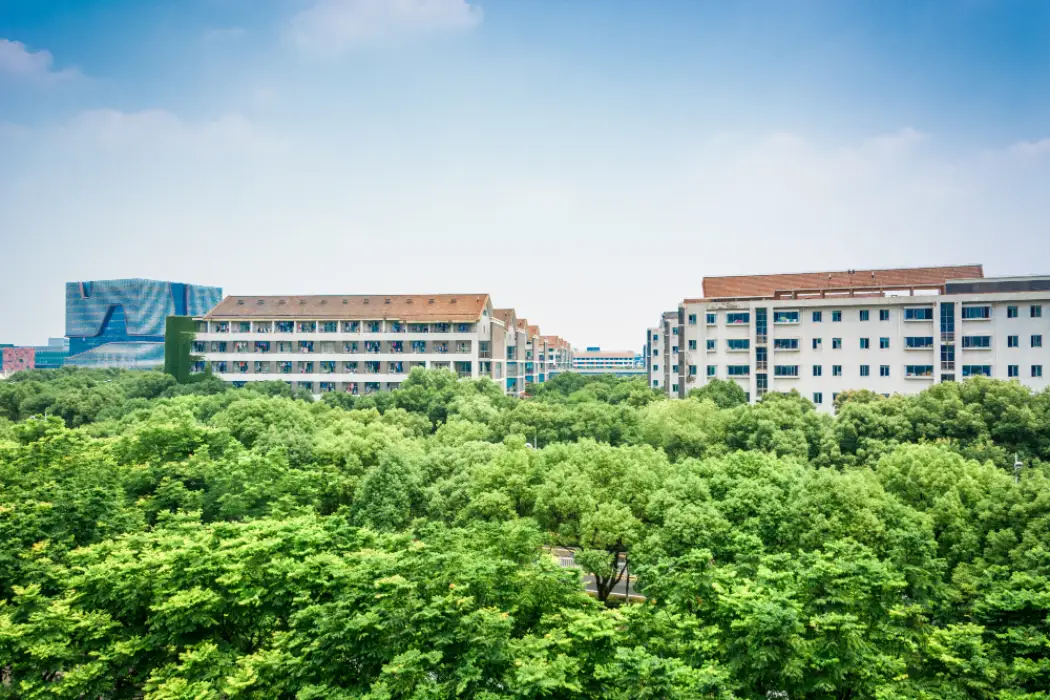
MRU is located within the Manav Rachna Aravalli campus in Faridabad. Its campus environment supports classroom teaching, practical sessions, laboratories, project-based assignments, seminars and student activities. Facilities vary by academic school: engineering students require access to relevant technical laboratories, design students need studio and portfolio facilities, law students benefit from legal research and advocacy exercises, and science students require suitable laboratory infrastructure.
Teaching, Innovation and Industry Engagement
The university promotes industry-linked learning, practical projects, workshops, professional interactions and research. Depending on the course, students may undertake internships, technical projects, case studies, presentations, laboratory assignments, legal research exercises or business simulations. The nature and depth of these opportunities depend on the department, faculty, industry partner and academic year; applicants should ask about programme-specific activities rather than assuming all courses offer the same exposure.
Student Development and Campus Life
Students may participate in clubs, societies, competitions, seminars, cultural events, technical activities and other campus programmes. These activities can help develop communication, teamwork, leadership and organisational skills alongside formal study. Students should also review the timetable, attendance policy, assessment structure and practical workload of the intended programme before enrolling.
Scholarships and Student Support
MRU advertises scholarships linked to academic merit, MRNAT performance and certain accepted entrance-test scores. Some schemes advertise tuition-fee waivers of up to 100%, but the award depends on the relevant scholarship rules, score band, application timing, course eligibility and renewal requirements. Students should obtain written confirmation of the applicable scholarship and the net payable fee.
Location and Student Suitability
The Faridabad campus is part of the wider Delhi-NCR education and employment region. MRU may be suitable for students seeking a private university with multiple professional disciplines and a campus-based learning environment. Before choosing a course, compare its curriculum, regulatory status, total fee, hostel and transport expenses, faculty expertise, internship opportunities and programme-specific placement data.
0 Reviews
Excellent
Manav Rachna University offers undergraduate, postgraduate and doctoral programmes in engineering, computer applications, business, law, commerce, sciences, design and education. The fee depends on the degree, specialisation, duration, academic year and additional charges. The university publishes a separate 2026–27 fee schedule with programme-wise instalments and associated components.
Popular Courses and Indicative Total Tuition Fees
| Course | Typical Duration | Indicative Total Tuition Fee |
|---|---|---|
| B.Tech | 4 years | ₹2.07 lakh–₹13.35 lakh in current third-party listings; specialised tracks may differ |
| BCA | 3–4 years, depending on structure | Varies by specialisation |
| BBA | 3–4 years, depending on structure | Approximately ₹7.03 lakh–₹7.66 lakh for listed programmes |
| B.Com (Hons.) | Usually 4 years under the listed structure | Approximately ₹9.20 lakh for a listed programme |
| B.Sc. | Usually 3–4 years | Varies by subject and structure |
| B.Des | Usually 4 years | Up to approximately ₹24 lakh for certain global/dual-degree options |
| BA LLB | 5 years | Approximately ₹7.66 lakh–₹12.90 lakh |
| BBA LLB | 5 years | Check the current programme-specific schedule |
| LLB | Usually 3 years | Varies by programme |
| B.Ed | Usually 2 years | Approximately ₹2.98 lakh in listed fee data |
| MBA | Usually 2 years | Approximately ₹7.90 lakh for listed programmes; specialisations may differ |
| MCA | Usually 2 years | Check the current official fee schedule |
| M.Tech | Usually 2 years | Depends on the engineering specialisation |
| M.Sc. | Usually 2 years | Depends on the subject |
| MA / LLM | Usually 1–2 years, depending on programme | Check the current programme schedule |
| Ph.D. | Normally 3 years or more | Depends on discipline, registration and research requirements |
Examples from the Official 2026–27 Fee Schedule
The official schedule shows the following first-year annual totals for selected programmes:
B.Tech CSE (normal): ₹3,05,800 for the 2026–27 academic year.
B.Tech CSE with selected specialised tracks: ₹3,33,800 for the 2026–27 academic year.
B.Tech ECE and selected engineering specialisations: ₹2,56,500 for the 2026–27 academic year.
BCA in Fintech / Cloud Computing: ₹2,41,800 for the 2026–27 academic year.
Selected BBA programmes: ₹2,34,400 for the 2026–27 academic year; some programmes have different totals.
These are annual payable totals in the university’s schedule, not the total cost for the entire degree. Subsequent-year fees and instalment amounts should be checked separately.
What the Fee May Include
The university’s published schedule separates tuition from other components, which can include:
University fee and student-resource fee.
Development charges.
Training-partner or industry-specialisation charges, where applicable.
International pathway charges, where applicable.
One-time alumni or other admission-related charges.
Examination, laboratory or other programme-specific charges as prescribed.
The final amount payable can therefore be higher than the tuition figure alone. Confirm whether the quoted amount is the annual fee, the total tuition for the entire course or the complete payable amount including additional charges.
Hostel and Mess Fees
Hostel accommodation is available on the Manav Rachna campus. The actual cost depends on room occupancy, AC/non-AC options, residence type and the applicable academic-year tariff. Third-party listings show indicative hostel charges of around ₹3.77 lakh–₹5.21 lakh for some B.Tech options, with meal-plan inclusion indicated in the relevant listing. This range should not be applied to every course or room type. Obtain the current hostel tariff and confirm the mess arrangement, deposits, utilities, laundry and other charges before estimating living costs.
Scholarships and Financial Assistance
MRU offers merit- and entrance-test-linked scholarship schemes, including MRNAT-based awards. Its published 2026 scholarship schedule includes different waiver slabs based on score and admission period. A maximum advertised waiver is not guaranteed to every applicant, and scholarship conditions can include programme eligibility, timely admission, minimum academic performance and renewal requirements. Students should confirm the exact amount in writing before subtracting it from their estimated fee.
How to Calculate the Actual Cost
For a realistic budget, add the full programme fee across all years, hostel and mess charges if required, transport, books, equipment, project materials, examination-related costs and personal expenses. For professional programmes such as engineering, design, law and teacher education, also confirm any programme-specific practical or training requirements.
Fee Verification Before Admission
Use the current MRU 2026–27 fee schedule for the exact programme and specialisation. Ask for the semester-wise instalments, annual increase policy if applicable, refund rules, one-time charges, scholarship conditions and hostel tariff. Avoid using MRIIRS fees for MRU or vice versa, as the two institutions have separate fee schedules.
Manav Rachna University admits students to undergraduate, postgraduate and doctoral programmes through academic eligibility, entrance-test performance and programme-specific selection procedures. The process varies by discipline. Applicants should check the rules for the exact MRU programme and should not use the admission requirements of Manav Rachna International Institute of Research & Studies (MRIIRS), which is a separate institution within the same educational group.
2026–27 Admission Status
MRU’s admission portal lists the 2026–27 admission cycle. The university has published a 2026 MRNAT schedule and a programme-wise fee structure for the academic year. As of 21 October 2026, the main MRNAT scholarship periods published for early 2026 have passed. Application and seat availability may differ by programme, so applicants seeking admission now should check the live portal or contact the university before relying on an old deadline.
Undergraduate Admission
Candidates normally need to pass Class 12 or an equivalent examination from a recognised board. Minimum marks, required subjects and entrance conditions depend on the programme.
B.Tech: Applicants must meet the prescribed Class 12 subject and marks requirements. JEE and MRNAT may be relevant, depending on the current admission route and programme.
BCA: Class 12 qualification is required, with subject and minimum-mark conditions as specified for the selected specialisation.
BBA and B.Com: Applicants must satisfy the academic eligibility requirements and complete the university’s selection process.
B.Sc.: Required school subjects and marks depend on the chosen science discipline.
B.Des: Eligibility and any programme-specific selection requirements should be checked for the selected design course.
BA LLB and BBA LLB: Candidates must meet the prescribed Class 12 requirements and the university’s current law-admission criteria. Accepted national-level examination routes may apply.


LLB: Applicants need the relevant undergraduate qualification and must satisfy the applicable eligibility conditions.
B.Ed: Admission is subject to the required graduation qualifications and applicable teacher-education rules.
Postgraduate Admission
Applicants usually need a recognised bachelor’s degree in the relevant or an accepted discipline. Minimum aggregate marks and subject prerequisites vary.
MBA: Selection may include MRNAT, accepted national-level entrance scores or other current university selection requirements.
MCA: Candidates must meet the prescribed graduation and subject requirements.
M.Tech: Applicants need an appropriate engineering or related qualification; the accepted selection route depends on the specialisation. MRNAT’s published admission information excludes M.Tech from the usual MRNAT pathway.
M.Sc. and MA: Eligibility depends on the relevant undergraduate degree and subject background.
LLM: A qualifying law degree and any programme-specific eligibility requirements apply.
Ph.D. Admission
Applicants generally need a relevant postgraduate qualification and must meet the university’s doctoral admission rules. Selection may involve an entrance examination, research assessment, interview and evaluation of the proposed area of study. Exemptions, if permitted, are governed by the current doctoral regulations.
MRNAT and Other Accepted Examinations
The Manav Rachna National Aptitude Test (MRNAT) is an entrance-cum-scholarship examination used for various eligible UG and PG programmes at MRU and MRIIRS. MRU may also accept national-level examination scores for specific programmes, including relevant engineering, law or management tests, according to the applicable policy. Candidates should verify whether their particular programme requires MRNAT, accepts an alternative score or uses a separate screening process.
Application Procedure
Visit the official MRU admission portal and select the correct university and programme.
Review the current eligibility criteria, selection route, fee schedule and deadlines.
Complete the online application and provide accurate academic and personal information.
Submit the application fee, currently listed on the admission-process page as ₹1,200; reconfirm the amount before payment.
Upload the required documents and provide qualifying-examination or entrance-test details.
Appear for MRNAT or another required examination, interview or screening round.
Check the admission offer and any scholarship decision.
Accept the offer and pay the prescribed first instalment within the stated deadline.
Complete document verification and enrolment as instructed by the university.
Documents Commonly Required
Applicants may need Class 10 and 12 mark sheets, graduation or postgraduate mark sheets, entrance-exam scorecards, identity proof, photographs, transfer or migration certificates, category or income certificates where relevant, and other documents requested by the university. Doctoral applicants may also need research-related documents and a proposal.
Scholarships
Eligible candidates may qualify for MRNAT-based or academic-merit scholarships. Published schemes include different tuition-waiver slabs based on score and admission timing. Students should check the applicable scheme, course eligibility, renewal requirements and any minimum marks needed to retain the award.
Admission Guidance
Meeting the minimum eligibility criteria does not guarantee admission. Selection depends on the course-specific rules, available seats, entrance performance, merit and completion of the admission process. Applicants should retain payment receipts and admission communications, verify all deadlines and contact MRU directly if they are applying after the published examination or scholarship periods.
Manav Rachna University does not have one common cut-off score applicable to every programme. Selection requirements depend on the course, entrance examination, qualifying marks, subject prerequisites and the admission route. Some programmes use academic merit and institutional selection procedures, while others may accept national-level entrance scores or require additional screening.
Eligibility Percentage vs. Final Cut-off
A minimum eligibility percentage is the academic threshold that allows an applicant to apply. A final selection cut-off is different: it refers to the score or rank needed to secure a seat in a specific programme, category and admission round. These figures should not be mixed. MRU’s entrance-based and merit-based routes mean that a single university-wide score would not accurately represent all admissions.
Programme-wise Selection Factors
B.Tech: Class 12 subject requirements and marks are important. JEE Main and MRNAT may be relevant depending on the programme and current policy. Cut-offs can differ by branch, specialisation and selection route.
BCA: Class 12 eligibility and the applicable institutional selection criteria are relevant. Requirements can vary by computing specialisation.
BBA and B.Com: Academic marks, programme eligibility and any prescribed institutional selection steps should be checked for the current cycle.
B.Sc.: Required school subjects and minimum marks depend on the discipline.
B.Des: Applicants should verify the qualifying-examination threshold and any additional design-programme selection requirements.
BA LLB and BBA LLB: Candidates must satisfy the law programme’s academic eligibility and the currently accepted entrance or selection route.
LLB and LLM: The required prior qualification and applicable selection rules depend on the level of study.
MBA: The accepted entrance-test scores, academic record and other selection requirements should be checked in the current admission policy.
MCA and M.Tech: Graduation subject requirements and any accepted entrance-test conditions apply. MRNAT’s published information excludes M.Tech from the standard MRNAT route.
B.Ed: Admission must comply with the applicable teacher-education eligibility and selection rules.
Ph.D.: Selection may involve an entrance examination, research assessment and interview under the university’s doctoral regulations.
Entrance Examinations to Check
Depending on the programme, candidates may need to review MRNAT, JEE Main, CLAT or another accepted national-level examination. These are examples of programme-specific routes, not a statement that every exam applies to every MRU course. Always check the latest admission notice for the intended programme.
2026 Cut-off Information
No single verified 2026 closing score or rank can responsibly be assigned to MRU as a whole. A reliable figure must identify the programme, examination, year, admission category and selection round. Where a course uses eligibility and institutional selection rather than a published closing rank, an eligibility percentage should not be presented as an official cut-off.
How to Assess Admission Chances
Select the exact programme and specialisation.
Confirm the required Class 12 subjects or qualifying degree.
Identify the accepted entrance test or merit-based admission route.
Compare your marks or entrance score with any published programme-specific selection information.
Confirm whether seats are still available and whether additional rounds are taking place.
Check category or quota conditions where applicable.
Ask the university to confirm the current criteria before paying the admission fee.
Cut-off Guidance
Applicants should not assume that a score accepted for one programme guarantees admission to another. For regulated professional courses, consult the relevant entrance and regulatory rules. For other courses, follow the current MRU selection policy and confirm any remaining 2026–27 opportunities directly with the admissions office.
Manav Rachna University provides career-development and placement support to help students prepare for internships, graduate recruitment and professional careers. Its placement activities include career guidance, employer interactions, aptitude preparation, interview practice and other employability initiatives. Outcomes vary by programme, specialisation, graduating batch, academic performance and employer requirements, so the university’s overall highest package should not be treated as the typical salary for every student.
Placement Highlights
Available 2025–2026 reporting provides several useful indicators. The university’s overall placement publicity has reported a highest package of ₹60 LPA for MRU placements in 2025. Shiksha’s 2026 placement page also reports a ₹19.75 LPA highest offer for B.Tech Computer Science and Engineering placements in 2026, made by JPMorgan Chase & Co., at the time of its update. These figures refer to different reporting periods and should not be combined into one batch result.
| Placement Indicator | Published Figure | Interpretation |
|---|---|---|
| Overall highest package reported for 2025 | ₹60 LPA | Highest reported offer; not the average salary |
| B.Tech CSE highest offer reported for 2026 | ₹19.75 LPA | Programme-specific figure available at the time of reporting |
| B.Tech median salary, 2025 | ₹4.5 LPA | Median reported in the engineering NIRF data |
| B.Tech students placed, 2025 | 212 out of 260 graduating students | Figures reported for the relevant engineering cohort |
| MBA highest package reported for 2025 | ₹10.5 LPA | Limited programme-specific reporting; not a consolidated MBA placement report |
| BBA highest package reported for 2025 | ₹8.58 LPA | Reported programme highlight |
| Internship stipend highlight | Up to ₹2.5 lakh per month in a reported case | A top stipend figure, not a typical internship stipend |
Career Development and Placement Preparation
Students may receive support through aptitude and reasoning practice, communication training, résumé preparation, mock interviews, group discussions, technical assessments and employer interactions. Activities and recruitment eligibility depend on the programme and the university’s current placement policy. Students can improve their readiness by participating in internships, building projects, developing practical skills and maintaining a strong academic record.
Engineering and Technology Placements
Engineering graduates may seek roles in software development, application engineering, data analytics, testing, cybersecurity, electronics, mechanical engineering, automation and related fields. Opportunities depend on technical skills, branch, project experience, internships and employer eligibility criteria. The reported B.Tech CSE placement data provides a useful indicator, but it should not be assumed to apply to every engineering specialisation.
Management, Commerce and Business Analytics
Management and commerce graduates may pursue positions in business development, sales, marketing, finance, accounting, operations, analytics and client services. Employers can assess communication, numerical reasoning, analytical ability, internships and practical business knowledge. Applicants should ask for the latest course-specific placement report, including average and median salaries, recruiter names, job profiles and the number of students placed.
Law, Design, Science and Education
Law graduates may pursue legal practice, law-firm roles, corporate legal support, compliance, research or further study, subject to the relevant professional requirements. Design graduates may enter creative, digital, product or visual-communication roles. Science graduates may explore research, laboratory, technical, analytical or postgraduate pathways, while education graduates follow school and education-sector career routes. Placement results for these areas should be assessed separately because their job markets and career pathways differ.
Internships and Practical Experience
Internships and project-based work can help students develop professional skills before graduation. Students should check whether internships are compulsory, how placements are arranged, whether the university provides support in securing them, and whether a reported stipend is representative or an exceptional offer. Internship participation and conversion to full-time employment vary by employer and programme.
How to Improve Placement Prospects
Develop technical, analytical or professional skills relevant to the chosen field.
Complete practical projects and internships.
Prepare a concise résumé and a portfolio where appropriate.
Practise aptitude tests, technical interviews and professional communication.
Attend placement preparation sessions and employer interactions.
Check the eligibility criteria for each recruitment drive.
Compare job role, fixed salary, variable pay, location and employment conditions before accepting an offer.
What Applicants Should Verify
Before selecting a course, request the latest programme-wise placement report. Useful measures include eligible students, placed students, placement percentage, median and average salary, highest package, internship conversion and the employers recruiting for that course. Confirm the graduating year attached to every figure.
Placement Outlook
MRU offers a structured placement and career-preparation framework, with outcomes that vary by course and individual performance. Students should compare verified placement data with the course curriculum, tuition fees and living expenses to assess value for money. A highest-package headline alone is not sufficient to predict an individual graduate’s salary or employment prospects.
September 07, 2026
September 04, 2026
September 03, 2026
September 02, 2026
August 25, 2026
August 22, 2026
August 18, 2026
August 17, 2026
August 14, 2026
August 13, 2026
August 11, 2026
August 08, 2026
July 31, 2026
July 27, 2026
July 24, 2026
July 20, 2026
July 11, 2026
July 09, 2026
June 13, 2026
June 10, 2026
June 07, 2026
May 29, 2026
May 27, 2026
May 25, 2026
May 23, 2026
May 21, 2026
May 18, 2026
May 17, 2026
May 14, 2026
May 13, 2026
May 11, 2026
May 09, 2026
May 07, 2026
May 07, 2026
April 29, 2026
April 28, 2026
April 28, 2026
April 24, 2026
April 21, 2026
March 31, 2026
March 30, 2026
March 23, 2026
March 20, 2026
March 14, 2026
February 23, 2026
February 19, 2026
February 16, 2026
February 16, 2026
February 10, 2026
February 10, 2026
February 07, 2026
February 07, 2026
February 05, 2026
February 05, 2026
January 09, 2026
January 07, 2026
June 05, 2025
Brochure download will be available soon!
Get details and latest updates
Total Reviews (0)
No reviews found.