

Top 10 Career Options After BCom: Jobs and Scope
September 07, 2026

Meerut | College | Estd 1997
(Reviews)

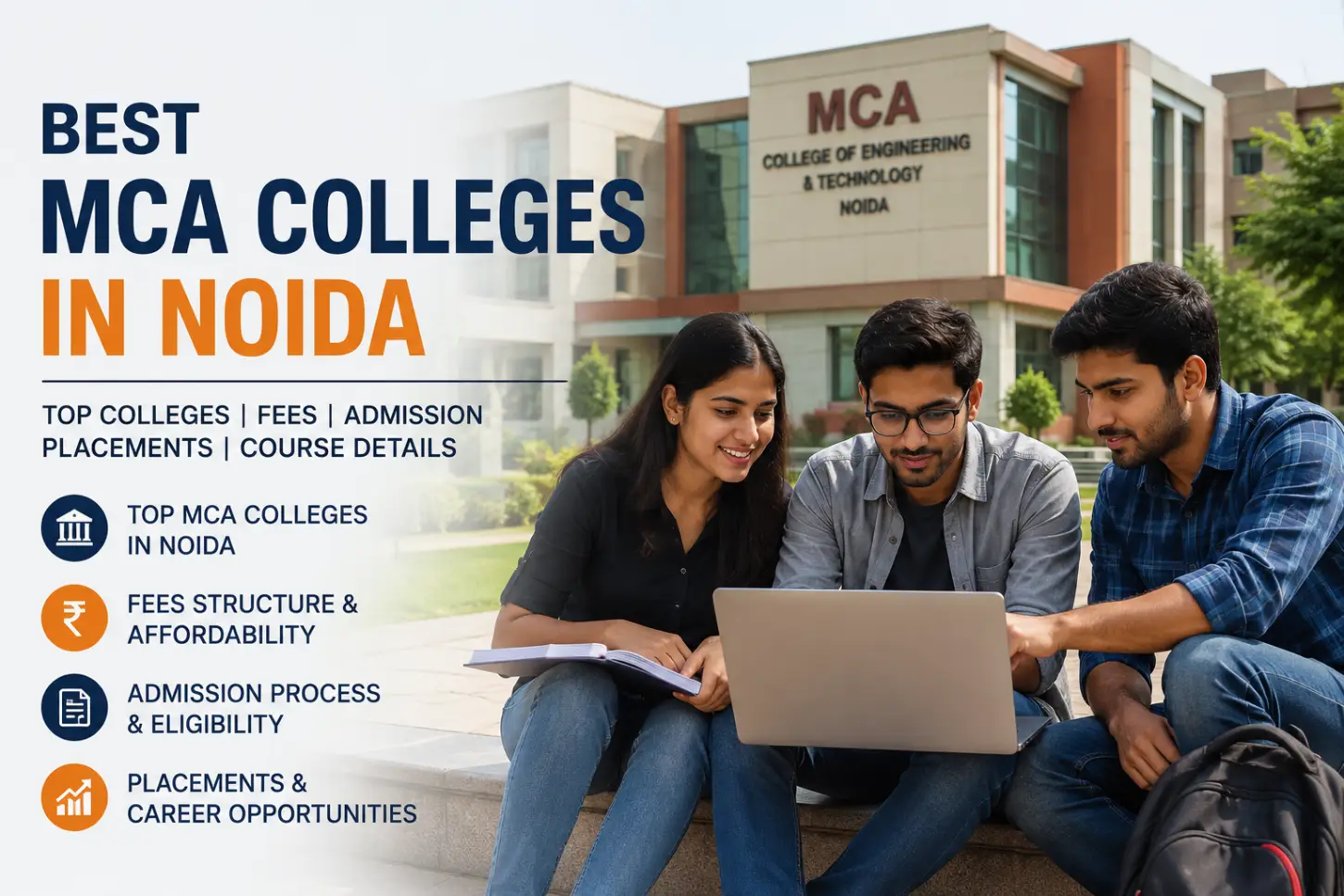
MIET School of Computer Applications is part of Meerut Institute of Engineering & Technology (MIET), a technical higher-education institute located on NH-58 near Baghpat Road Bypass Crossing in Meerut, Uttar Pradesh. The institute was established in 1997, while its Department of Master of Computer Applications was established in 1998. The department focuses on postgraduate computer education, technical skill development and preparation for professional roles in the information-technology sector.
About the Institution
MIET provides education across technical and professional disciplines, including computer-related programmes, engineering, management and other areas. Its Computer Applications department is intended for students seeking advanced education in computing after completing the required undergraduate qualification. Students should distinguish the MCA department from the separate Computer Science and Information Technology and B.Tech departments, because course structures, admission criteria, fees and academic outcomes differ between them.
Academic Focus of the MCA Department
The Master of Computer Applications programme is designed to develop the technical knowledge and problem-solving skills required for computing and software-related work. The department’s academic areas include programming, software engineering, computer networking, database management, computer graphics and systems analysis. The curriculum and specific elective subjects may change under the applicable academic regulations, so students should obtain the latest semester-wise syllabus before enrolling.
The programme can help students develop a structured understanding of how software applications are planned, built, tested, deployed and maintained. It also provides an opportunity to practise analysing technical problems, selecting appropriate tools and presenting solutions clearly.
Core Learning Areas
Programming and Algorithms: Understanding programming logic, data structures, algorithm design, debugging and efficient problem-solving.
Software Engineering: Learning the stages of software development, requirements analysis, system design, testing, documentation and maintenance.
Database Management: Studying data organisation, database design, querying, integrity, security and the management of structured information.
Computer Networks: Understanding communication systems, network architecture, connectivity and the principles behind data exchange.
Systems Analysis and Design: Analysing user needs, documenting system requirements and developing practical application designs.
Computer Graphics and Related Concepts: Exploring visual computing and related concepts where included in the curriculum.
Emerging Computing Areas: Students may encounter subjects such as data science, artificial intelligence, web technologies or cloud computing depending on the current syllabus and elective structure.
The exact programming languages, tools, laboratory exercises and elective subjects must be confirmed from the current MCA curriculum. A student’s practical competence will depend on regular work, project completion and independent learning alongside formal coursework.
Practical Learning and Laboratories
MIET’s MCA department describes dedicated laboratory facilities and an emphasis on technical learning. Practical work is important in computer applications because students need to apply concepts rather than simply memorise definitions. Programming assignments, database exercises, application development, system analysis and project work can help students practise turning requirements into working solutions.
Students should ask the department about laboratory access, available software, internet facilities, project resources, practical assessment, student-to-faculty support and whether students can use laboratory facilities outside scheduled sessions. They should also confirm how individual and group projects are evaluated.
Faculty and Academic Guidance
The institute publishes a faculty list for its Computer Applications department, including faculty members with doctoral and postgraduate qualifications. Faculty guidance can support subject learning, project development, research activity and preparation for technical interviews. Applicants should review the current faculty roster and enquire about mentoring, project supervision, remedial classes and academic support for students who need additional help with programming or mathematics.
Industry Exposure and Professional Development
MIET’s wider academic environment highlights industry interaction, industrial visits, value-added courses and personality-development activities. Its MCA department also describes an emphasis on aligning learning with professional IT requirements. The precise availability of a particular company programme, internship, training module or industrial visit can change by batch, so applicants should ask which opportunities are planned for the current academic year.
Industry exposure can help students understand workplace expectations, team-based development, professional communication and the practical application of technical concepts. It is most useful when students actively participate, complete assignments and build demonstrable project experience.
Location and Campus Environment
The institute is situated on NH-58, Delhi–Roorkee Highway, at Baghpat Road Bypass Crossing, Meerut, Uttar Pradesh 250005. Students travelling from outside Meerut should estimate commuting time and accommodation expenses before admission. They should confirm campus reporting instructions and the exact department location with the institute.
Facilities and Student Services
MIET lists institutional facilities such as academic laboratories, a library and student-support services. Hostel and mess arrangements are also listed for the wider institute, but students should confirm whether a room is available for their admission year, the type of accommodation offered and the current charges. Transport routes, medical support, sports, canteen facilities, internet access and other amenities should likewise be checked directly.
Career Directions After MCA
MCA graduates may explore software development, application development, web development, database support, software testing, systems analysis, technical support, IT consulting and related roles. Career eligibility depends on the student’s skills, academic performance, recruitment assessments and employer requirements. Some roles require specific programming languages, frameworks, cloud tools, data skills or prior experience.
Students can improve their readiness by building a portfolio, practising coding problems, completing a substantial project, learning version control and preparing for aptitude and technical interviews. Clear communication, teamwork and the ability to explain a project are also important in technical recruitment.
Who Should Consider MIET School of Computer Applications?
The department may be suitable for eligible graduates who want to pursue postgraduate computer applications education and develop skills for IT-related careers. It can be relevant to students interested in programming, software systems, databases, networking and application development. Applicants should compare the programme’s eligibility, fees, curriculum, practical facilities, location and placement support with other MCA options before deciding.
Before Taking Admission
Students should verify the current MCA course duration, degree-awarding arrangement, approved intake, eligibility, admission route, fee schedule, hostel tariff, scholarship conditions and examination rules. They should also request the current syllabus and ask for recent department-level placement information. These checks help ensure that the selected course matches the student’s academic background, budget and career plans.







































































Total Reviews (0)
No reviews found.