

Top 10 Career Options After BCom: Jobs and Scope
September 07, 2026
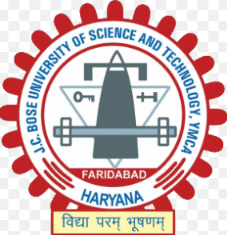
Faridabad | University | Estd 1969
(Reviews)

J.C. Bose University of Science and Technology, YMCA, Faridabad is a Haryana State Government University located on Mathura Road in Faridabad, Haryana. The institution has a long history of technical education and is known for its engineering, technology, computer applications, management, sciences and interdisciplinary programmes. Its roots go back to 1969, when it began as YMCA Institute of Engineering. The institution later became a university under Haryana legislation in 2009 and now operates as J.C. Bose University of Science and Technology, YMCA, Faridabad.
Historical Background and Institutional Development
The institution began in 1969 as an engineering institute with an emphasis on practical technical education. Its early development was associated with an Indo-German technical education initiative intended to prepare trained personnel for the industrial and engineering needs of the country. Over time, it expanded its academic departments and programme offerings and eventually developed into a state university.
The transition from YMCA Institute of Engineering to J.C. Bose University of Science and Technology is important for applicants preparing an institutional profile. The former name refers to the university's historical origin; it should not be presented as though a separate engineering college with that name currently operates independently under the university. The current institution is a university with its own teaching departments, academic administration, admission procedures and degree-awarding authority.
Institutional Identity and Recognition
J.C. Bose University of Science and Technology is a state government university established under Haryana legislation and recognised for awarding degrees under the applicable UGC provisions. The university reports NAAC A+ accreditation. It also publishes programme information, admission brochures, academic notices, fee schedules and regulatory documentation through its official website.
| Particular | Information |
|---|---|
| Current official name | J.C. Bose University of Science and Technology, YMCA, Faridabad |
| Historical name | YMCA Institute of Engineering |
| Origin year | 1969 |
| University establishment | 2009 |
| Institution type | Haryana State Government University |
| Location | Mathura Road, Faridabad, Haryana |
| Accreditation | NAAC A+ |
| Academic scope | Engineering, technology, computer applications, sciences, management, media, social sciences and other disciplines |
| Degree-awarding status | University with applicable statutory recognition |
| Current admission information | University website and 2026–27 admission brochure |
Engineering and Technology Programmes
Engineering remains a major part of the university's academic identity. The university offers undergraduate programmes in Computer Engineering, Information Technology, Data Science, Mechanical Engineering, Electrical Engineering, Electronics and Communication Engineering, Electronics and Computer Engineering, Civil Engineering, Environmental Engineering, Robotics and Artificial Intelligence, and related areas. The exact list of programmes, intake and eligibility requirements should be checked in the brochure for the relevant admission year.
Computer Engineering and Information Technology suit students interested in programming, software development, algorithms, databases, operating systems, networking and computing infrastructure. Data Science adds an emphasis on data analysis, statistical reasoning and computational tools. Robotics and Artificial Intelligence combines aspects of automation, control, electronics and intelligent systems. Mechanical, Electrical, Civil and Electronics-related programmes provide different pathways into industrial systems, infrastructure, energy, communication and engineering design.
Computer Applications, Management and Other Disciplines
The university's academic offerings extend beyond engineering. It lists programmes such as BCA, BBA, B.Com, B.Sc, M.Sc, MCA, MBA, M.Tech, postgraduate diplomas and research programmes. It also offers programmes in journalism and mass communication, English, social work, animation and multimedia, environmental studies and other areas through its relevant departments and community-college structure.
This wider portfolio gives students several choices based on their interests and academic background. BCA and MCA are relevant to computing and application development; BBA and MBA focus on management and business; B.Sc and M.Sc provide subject-based study in science disciplines; and media programmes support students interested in communication, multimedia and related professional fields. The availability and duration of individual programmes should be confirmed in the current prospectus because some courses follow the National Education Policy framework and may have three- or four-year undergraduate structures.
Academic Structure and Teaching Environment
As a university, J.C. Bose University of Science and Technology operates through teaching departments and other academic units. Its programme structure combines classroom learning, laboratory sessions, practical work, projects, examinations and, where applicable, internships or research activities. Engineering students typically study foundational subjects in mathematics, physics, computing and engineering principles before progressing to branch-specific subjects and project work.
The academic structure is intended to develop both theoretical understanding and practical capability. Students may complete laboratory exercises, assignments, seminars, technical projects and other forms of assessment according to the course curriculum. The precise academic requirements, attendance rules, examination scheme and grading system are determined by the university's current regulations and the relevant programme.
Research, Innovation and Technical Learning
A technical university provides an environment for students to explore applied projects, emerging technologies and research-oriented learning. Students in engineering and computer-related fields can benefit from practical exposure to software, electronics, mechanical systems, data analysis, automation and technical problem-solving. Project work can help students demonstrate their ability to define a problem, select appropriate methods, build a solution, test it and communicate the results.
Students interested in research or advanced study should examine the opportunities available through their specific department. The availability of a particular laboratory, research project or faculty-led activity can differ by discipline and academic year. Applicants should check current departmental information rather than assume that every facility or research area is available to every student.
Campus Facilities and Student Life
The university provides an academic campus environment with departmental facilities, laboratories, library resources, student activities and other support services. Students should verify the current facilities relevant to their course, especially laboratory equipment, computing access, workshop facilities, reading resources, project spaces and departmental support. A campus visit can help applicants understand the learning environment, travel arrangements and student services before enrolment.
Student life can include technical events, seminars, cultural programmes, sports, student societies and other extracurricular activities. These opportunities can help students improve communication, teamwork, leadership and organisational skills. Participation is particularly useful when students balance extracurricular involvement with academic performance, attendance and project responsibilities.
University Location and Connectivity
The university is located on Mathura Road in Faridabad, Haryana, within the Delhi NCR region. Its location may be convenient for students travelling from Faridabad and nearby parts of the National Capital Region. Travel time and expense depend on the student's residential location, transport mode, traffic and class schedule. Applicants should plan the commute before choosing daily travel over residential accommodation.
The official university website should be used for current directions, campus entry information and contact details. Students attending physical counselling, document verification or admission reporting should check the exact venue and reporting instructions in the latest notice before travelling.
Hostel and Residential Facilities
The university provides hostel accommodation for eligible students, subject to room availability, allotment rules and the current hostel policy. Students who live outside Faridabad may consider university accommodation as part of their overall study plan. The actual availability of rooms can depend on the programme, year of study, eligibility and the number of applications received.
Before applying for a hostel, students should obtain the current fee schedule and understand the room categories, mess arrangements, security deposit, hostel rules, attendance or entry timings, leave procedures and refund policy. Hostel charges should be calculated separately from tuition and other academic fees unless the university explicitly confirms that a component is included.
Scholarships and Financial Support
Students may be eligible for university scholarships, Haryana Government schemes or other financial-assistance programmes, subject to the rules applicable to their category, academic performance, family income and course. Eligibility and documentation can differ between schemes, so students should check the current scholarship notice and official government instructions.
Applicants should prepare income certificates, category documents, domicile proof, marksheets and bank details where required. They should also confirm the deadline, renewal conditions, minimum academic performance and whether the benefit is paid directly to the student or adjusted against fees. Scholarship eligibility should not be assumed until the relevant authority confirms the application.
Career Development and Placement Support
The university has a training and placement function intended to support students' transition from study to employment. Placement preparation may include employer interactions, aptitude tests, technical interviews, résumé development, internships, workshops and career guidance. Opportunities differ across departments because companies recruit for different roles and may set specific academic or technical requirements.
Engineering and computing students may target software, analytics, technology services, electronics, industrial engineering and related roles. Management students may explore finance, marketing, operations, business development and other corporate functions. Actual outcomes depend on programme, academic record, practical skills, market conditions and the candidate's interview performance.
Who Should Consider the University?
J.C. Bose University of Science and Technology, YMCA, Faridabad may suit students seeking a state-government university with a broad academic portfolio and a long-standing technical education background. It is especially relevant to applicants interested in engineering, Computer Engineering, Information Technology, Data Science, Robotics and Artificial Intelligence, Electronics, Mechanical, Electrical and Civil Engineering, as well as computer applications, management and science programmes.
Students should compare the exact programme's fee, curriculum, entrance requirements, intake, placement statistics, hostel costs and scholarship options before making a decision. The university's government status and accreditation are useful factors, but the right programme should also match the student's career plans, learning preferences and financial circumstances.
Important Checks Before Applying
Applicants should confirm the exact programme title and duration, the relevant admission route, the current eligibility criteria, approved intake, semester-wise fee, hostel availability and scholarship rules. They should also read the current prospectus for academic regulations, reservation requirements, document verification and refund conditions. Keeping copies of the application, counselling documents, payment receipts and admission confirmation can help avoid confusion during the enrolment process.


























































Total Reviews (0)
No reviews found.